

Every year, thousands of scholarships are awarded to domestic and international students. However, many candidates with excellent records are still underrated simply because they prepare an incomplete application or fail to fully showcase their capabilities. A scholarship application is not just a collection of documents, but also a "business card" that helps the selection committee understand who you are, what you have achieved, and why you deserve the scholarship. Therefore, preparing fully and meticulously right from the beginning will significantly increase your chances of success.
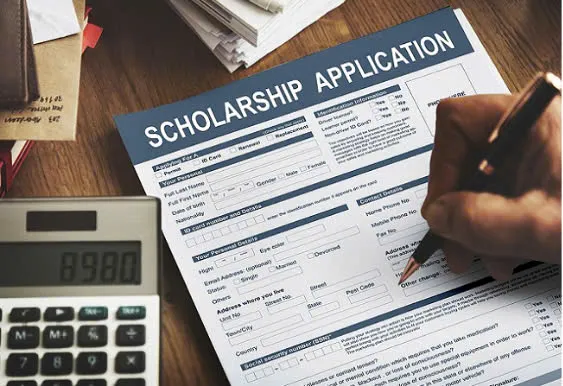
1. Curriculum Vitae (CV) / Resume
A CV or resume is a document that gives the committee an overview of the candidate. The content should be presented concisely, logically, and comprehensively with information such as:
· Personal information.
· Educational background.
· Extracurricular activities.
· Work experience (if any).
· Outstanding skills.
· Awards and achievements.
A clear and professional CV will create a good impression right from the start.
2. Academic records, transcripts, and study results
This is the most important evidence reflecting the candidate's academic ability. Usually, the application will require one or more types of documents such as:
· High school transcript.
· Transcripts for individual semesters or the entire course.
· Certificate of student enrollment.
· University transcript (for scholarships aimed at university students).
Besides grades, many scholarship funds are also interested in your progress over each academic year rather than just looking at a few outstanding subjects.
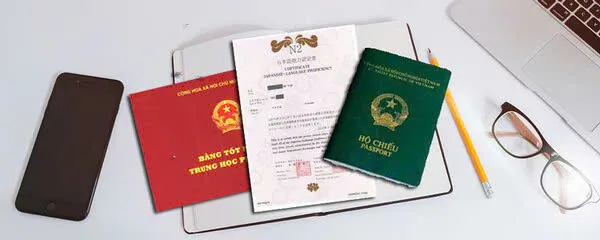
3. Foreign language certificates, scientific research, and related achievements
This is the section that helps your application stand out from other candidates. You can supplement it with:
· IELTS, TOEFL, TOEIC, or other foreign language certificates.
· Computer skills certificates.
· Scientific research papers.
· Research projects, university-level or provincial-level topics.
· Academic awards.
· Medals from competitions.
· Certificates of volunteer activities, club leadership, or community projects.
Not all scholarships require all the above achievements, but the more relevant evidence you have, the more persuasive your application will be.
4. Recommendation Letter
Many scholarship programs require one to three recommendation letters. The letter writers are usually:
· Homeroom teachers.
· University lecturers.
· Supervising professors.
· Managers at your workplace or internship unit.
A high-quality recommendation letter not only verifies academic achievements but also evaluates the candidate's attitude, eagerness to learn, teamwork skills, and development potential.
5. Scholarship application form and personal essay
This is considered the "soul" of the application. In the personal essay (Personal Statement or Motivation Letter), the committee wants to know:
· Who are you?
· Why did you choose this major?
· What are your future career goals?
· What makes you different from other candidates?
· Why do you deserve this scholarship?
This is an opportunity to tell your own story using real-life experiences, rather than just listing achievements.

6. Other supplementary documents
Depending on the program, the application may additionally require:
· A copy of your citizen identity card or passport.
· ID photos.
· Birth certificate.
· Certificate of difficult financial circumstances (if any).
· A copy of the poor or near-poor household certificate (if any).
· Medical certificate.
· Certificate of admission or letter of acceptance.
· Specific forms provided by the scholarship provider.
Therefore, candidates should read the instructions carefully to avoid missing documents or submitting them in the wrong format.
In reality, there is no single application package that applies to all scholarship programs. Each fund will have different criteria and requirements depending on the target audience, major, or country.
However, most programs require basic components such as:
· Curriculum Vitae or CV.
· Academic records or transcripts.
· Foreign language certificates.
· Academic achievements, research, or extracurricular activities.
· Recommendation letter.
· Scholarship application form and personal essay.
Therefore, preparing these documents early will help you be more proactive when the scholarship hunting season arrives, avoiding a rushed and incomplete application.