

Can Tho - the capital of the riverine Mekong Delta, has long been famous for its rustic, idyllic, yet profoundly captivating beauty. The traditional folk poem, "Can Tho, land of white rice and clear waters / Once you arrive, you never want to leave," perfectly portrays the unique attraction this land holds for travelers from all over. The rich ecological landscape combined with a characteristic cultural lifestyle has made Can Tho an unmissable destination.
Geographical Location: Can Tho is a centrally-run city located in the heart of the Mekong Delta region. The city is situated on the right bank of the Hau River, approximately 169 km southwest of Ho Chi Minh City. With a dense network of rivers and canals, Can Tho acts as a crucial transport hub, as well as the economic, cultural, and tourism center for the entire region.
Brief History and Highlights: Throughout over 300 years of formation and development since the era of land reclamation, Can Tho was historically known by the title "Tay Do" - meaning the Capital of the West. It is a unique cultural intersection of the Kinh, Hoa, and Khmer ethnic groups. The standout features of Can Tho are its distinctive ecological orchard landscapes, the floating market culture on the river, and the generosity and hospitality of the Southern people.
Top 10 Places to Visit in Can Tho:
1. Cai Rang Floating Market
One of the largest and most bustling floating markets in the Mekong Delta. The market emerged around the early 20th century, stemming from the need for trading when road transport was not yet heavily developed. Positioned at a river confluence, it was highly convenient for boats to anchor, exchange goods, and wholesale agricultural products. Later, as road transport developed, this place gradually transitioned to incorporate tourism-based trading and became a national intangible cultural heritage (2016).
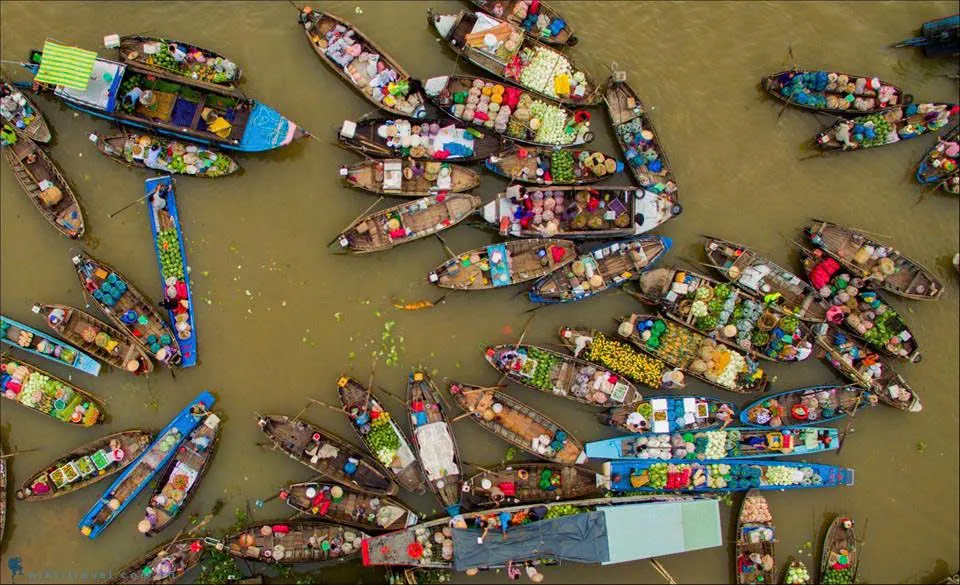
Location: Can Tho River, Cai Rang Ward (about 6km from Ninh Kieu Wharf).
Unique feature: Merchants trade all kinds of agricultural products on boats and advertise their goods using a "cay beo" (a bamboo displaying pole).
Reason to visit: The location vividly showcases the riverine orchard culture. The experience of enjoying a bowl of crab noodle soup (bún riêu) or a cup of coffee right on a swaying boat leaves an unforgettable impression.
2. Ninh Kieu Wharf
The longstanding tourism symbol of Can Tho with poetic river scenery, formed in the 19th century. Ninh Kieu Wharf is an enduring icon of Can Tho, originating from the riverbank at the head of Can Tho market. After the French occupation in 1876, it was built into a crucial port serving the vibrant trading activities of the Southern region. By 1957, the area was planned into a park and pedestrian promenade, officially named Ninh Kieu to commemorate the historic Ninh Kieu victory of the Lam Son rebel army. Today, Ninh Kieu Wharf has been invested in as a famous tourist spot, combining green spaces, walking streets, and night markets, becoming an indispensable symbol of Can Tho city.
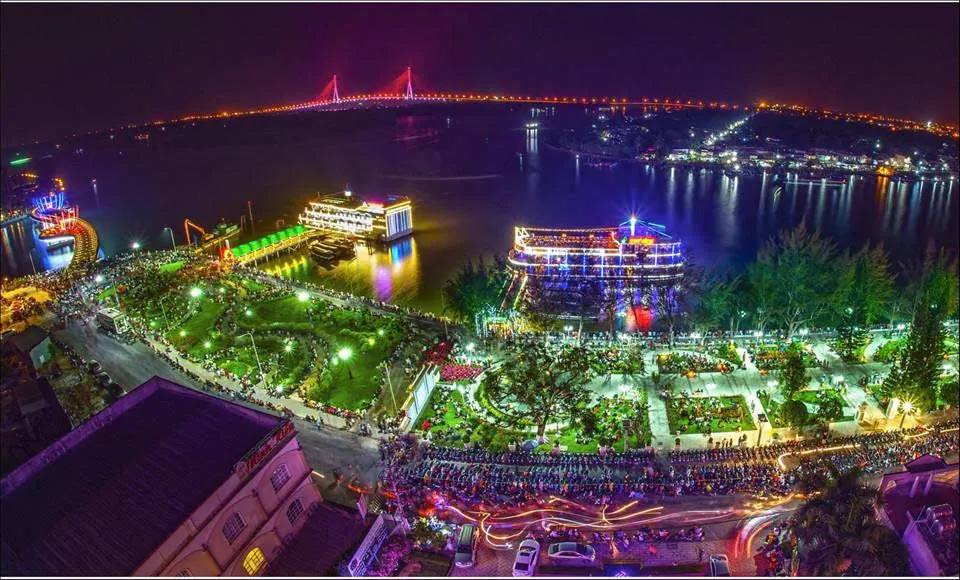
Location: Right bank of the Hau River, at the confluence of the Hau and Can Tho rivers. Specifically, 106 Hai Ba Trung Street, Tan An Ward.
Unique feature: Panoramic views of the Hau River, connected to the brightly lit Love Bridge at night, and tourist cruise ships serving dining on the river.
Reason to visit: A hub of bustling nightlife with an airy atmosphere, perfect for strolling and sightseeing.
3. Binh Thuy Ancient House
A traditional five-compartment, two-wing ancient house built by the Duong family in 1870. It is one of the most beautiful and intact ancient houses in the West, representing ancient Southern architecture in the 19th century. It was recognized as a National Artistic Relic (2009).
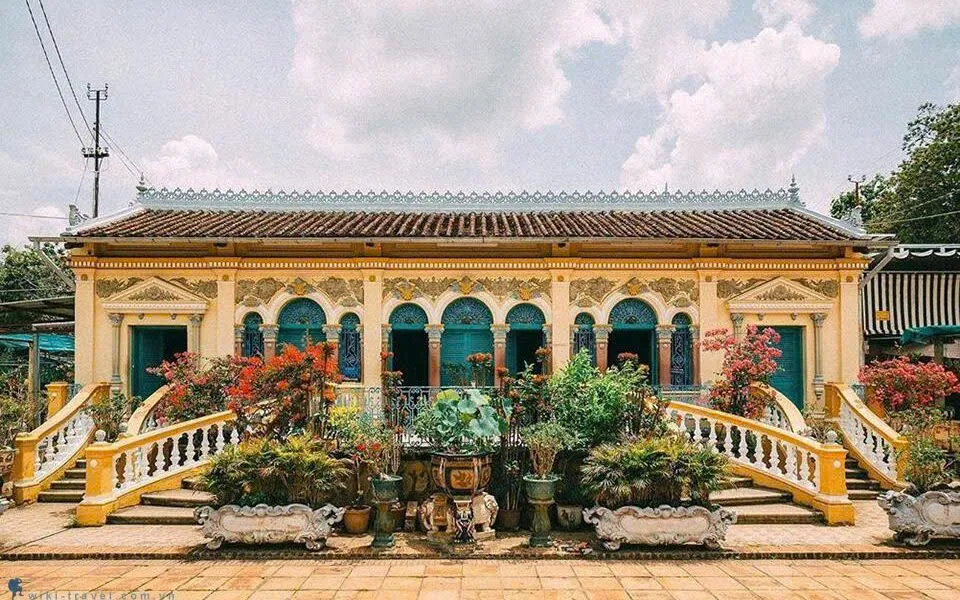
Location: 26/1A Bui Huu Nghia Street, Binh Thuy Ward, Can Tho.
Unique feature: Harmonious East-West architectural fusion: the exterior features a French villa style, while the interior preserves traditional Vietnamese culture. This was once the filming location for the famous movie "The Lover" (L'Amant).
Reason to visit: Provides an authentic glimpse into the life and architecture of the former Southern upper class while preserving unique artistic values.
4. My Khanh Tourist Village
A large-scale eco-tourism area, considered a miniature Mekong Delta. The tourist area fully recreates the peaceful beauty of the ancient Southern countryside with three-compartment houses and fruit-laden orchards, allowing visitors to transform into "landlords," learn about the culture, and practice the traditional crafts of the riverine West.
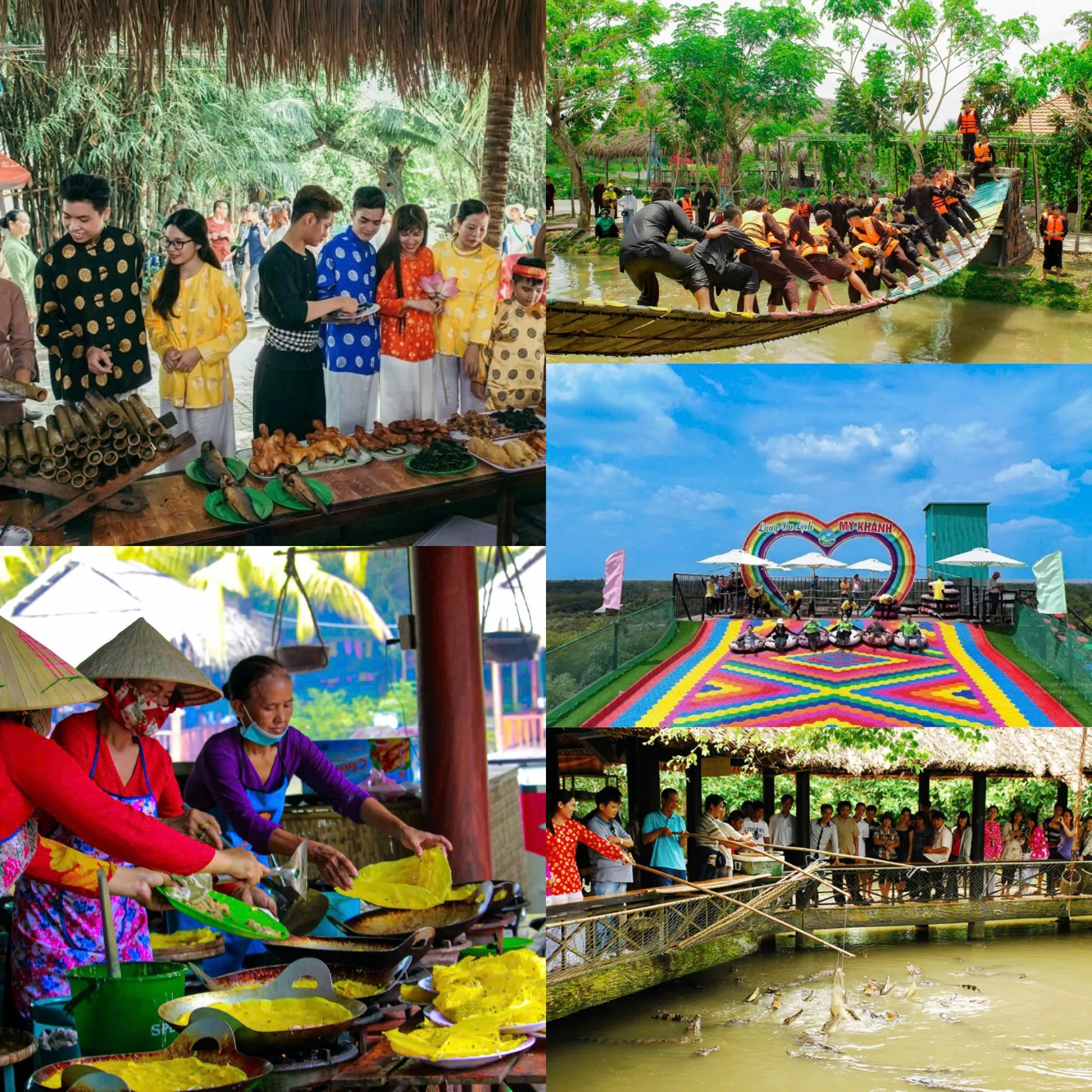
Location: 335 Vong Cung Road, My Khanh Commune, Phong Dien District.
Unique feature: A vast campus with fruit orchards, folk games (pig racing, dog racing), and traditional Southern cuisine.
Reason to visit: An ideal destination for tour groups and families looking to experience orchard activities and rustic cuisine in a day.
5. Truc Lam Phuong Nam Zen Monastery
The largest Zen monastery in the Southwest region, belonging to the Truc Lam Yen Tu sect. It is the largest monastery in the Mekong Delta to date. It is not simply a unique architectural and artistic structure imbued with Vietnamese cultural identity, but also the most serene spiritual tourism destination in Tay Do.
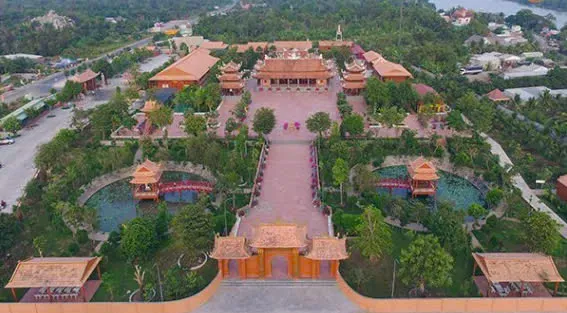
Location: My Khanh Commune, Phong Dien District (near My Khanh Tourist Village).
Unique feature: Pure Vietnamese architecture made from ironwood, roofed with dragon-scale tiles, deeply imbued with the cultural identity of the Ly - Tran dynasties.
Reason to visit: Possessing a tranquil space and solemn architecture, this place offers a peaceful sanctuary that helps dispel all worries, bringing a remarkably relaxing feeling. More than just a quiet spiritual retreat, the scenery here has a very "poetic" beauty, becoming an ideal destination for many young people and families during holidays and Tet. People come here not only to sincerely pray for New Year's blessings but also to dress in traditional Ao Dai and gracefully pose to capture the most charming and perfect spring photos.
6. Son Islet (Con Son)
An eco-community tourism model that retains its pristine, natural beauty. It is a famous orchard eco-destination situated independently in the middle of the Hau River, bearing the wild charm and simple human warmth of the West. This place attracts visitors with unique agricultural experiences, year-round fruit orchards, and a "civilized, kind" community tourism model.
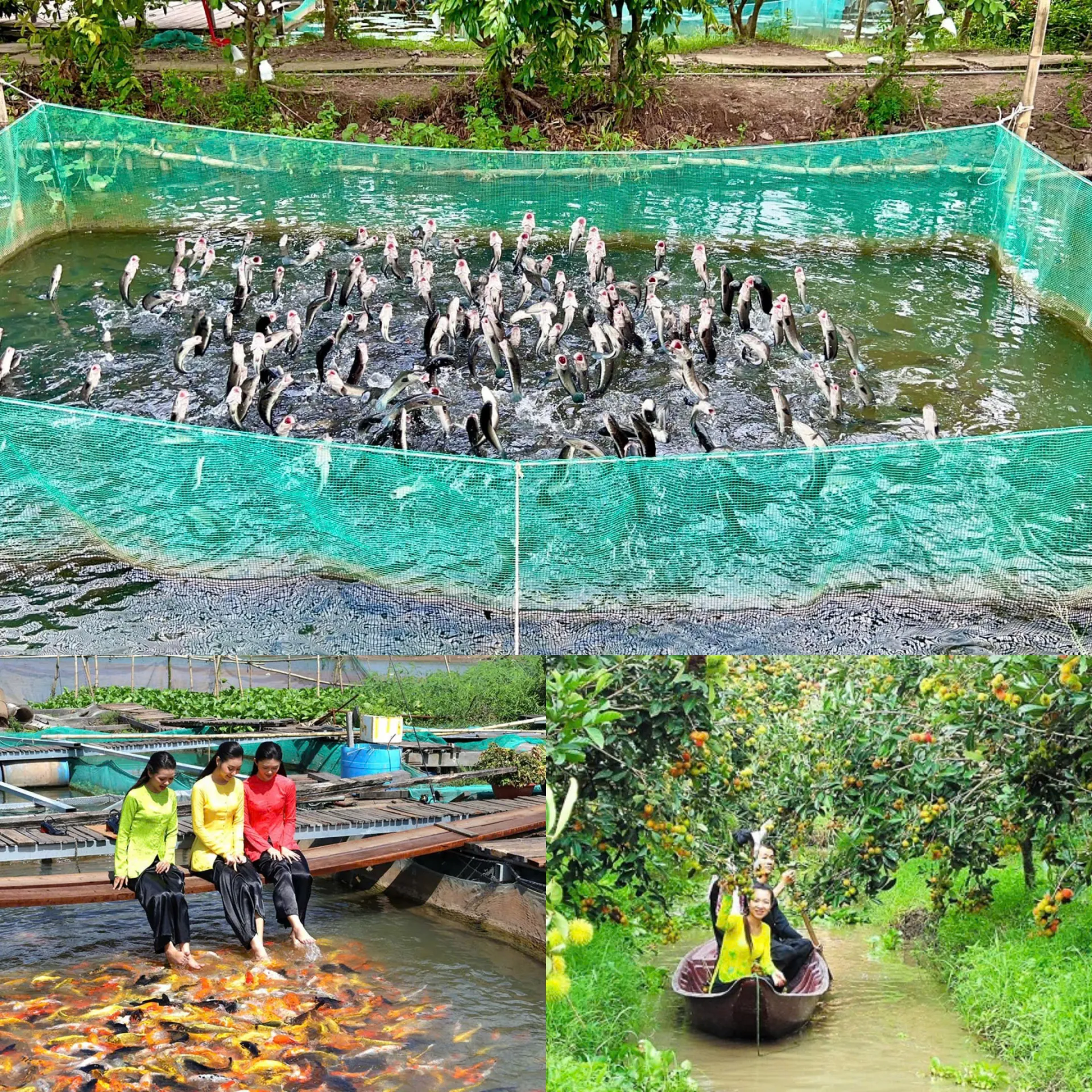
Location: Bui Huu Nghia Ward, Binh Thuy District (in the middle of the Hau River).
Unique feature: Experience watching "flying snakehead fish" and make traditional Southern folk cakes by hand with local residents.
Reason to visit: The rustic nature and hospitality of the locals, along with hands-on daily life activities, provide an intimate and authentic experience.
7. Tan Loc Coconut Garden (Tan Loc Islet)
Located on the "sweet island" in the middle of the Hau River, famous for the cool green spaces of coconut groves and ancient houses. The garden is owned by Mr. Le Tan Nhuong, covering an area of about 7.5 Cong (nearly 10,000m²), with more than 550 coconut trees of various types such as Siam coconut, fire coconut, and pandan coconut.
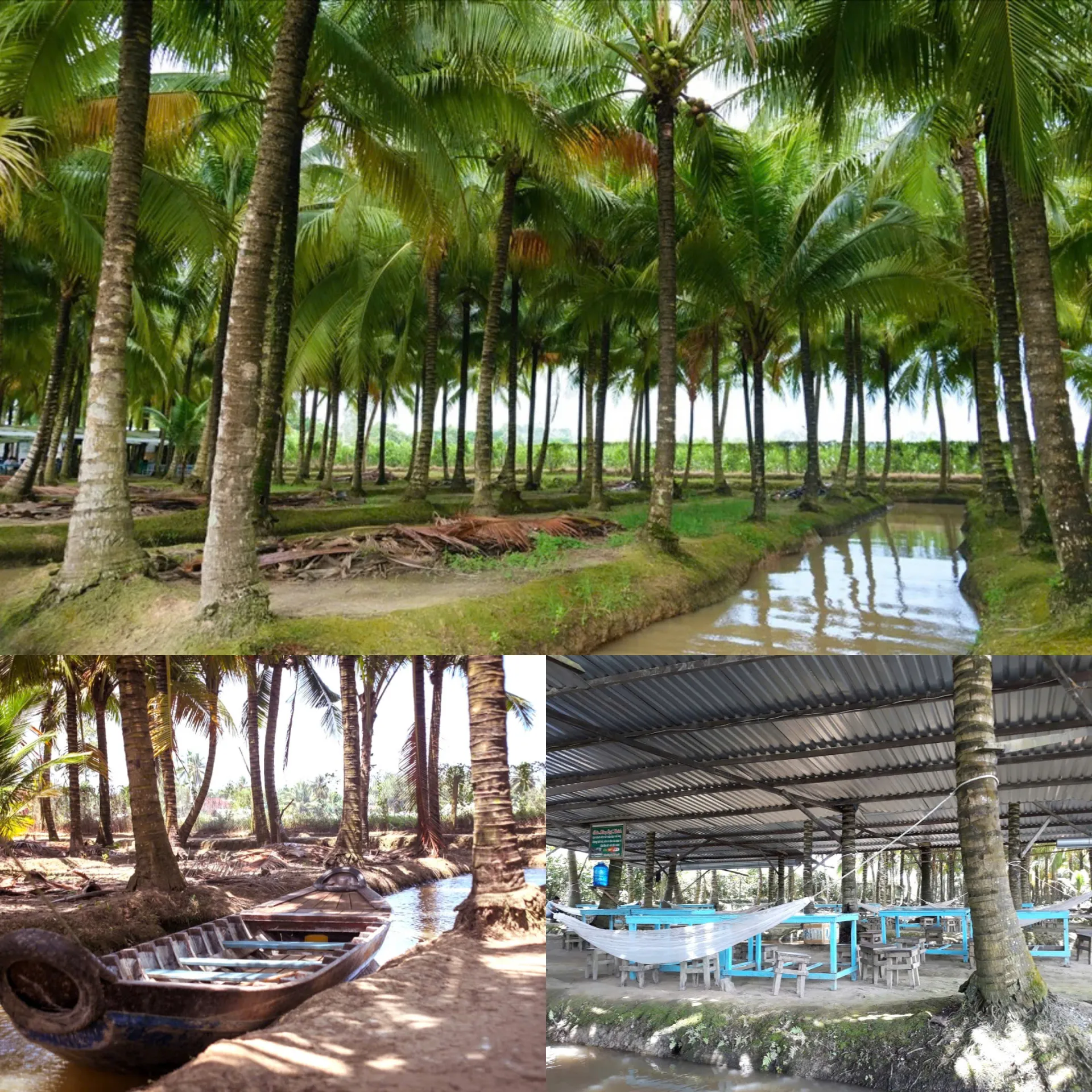
Location: Tan Loc Ward, Thot Not District (about 45km from the center).
Unique feature: Cool, shading coconut canopies interspersed with fruit-laden plum orchards; visitors can paddle boats along the canals and visit centuries-old ancient houses.
Reason to visit: A peaceful orchard landscape offering the experience of enjoying fresh coconut water and fruits picked directly from the garden.
8. Tay Do Night Market (Can Tho Night Market)
A bustling commercial and entertainment center at night in Can Tho. Located near Ninh Kieu Wharf.
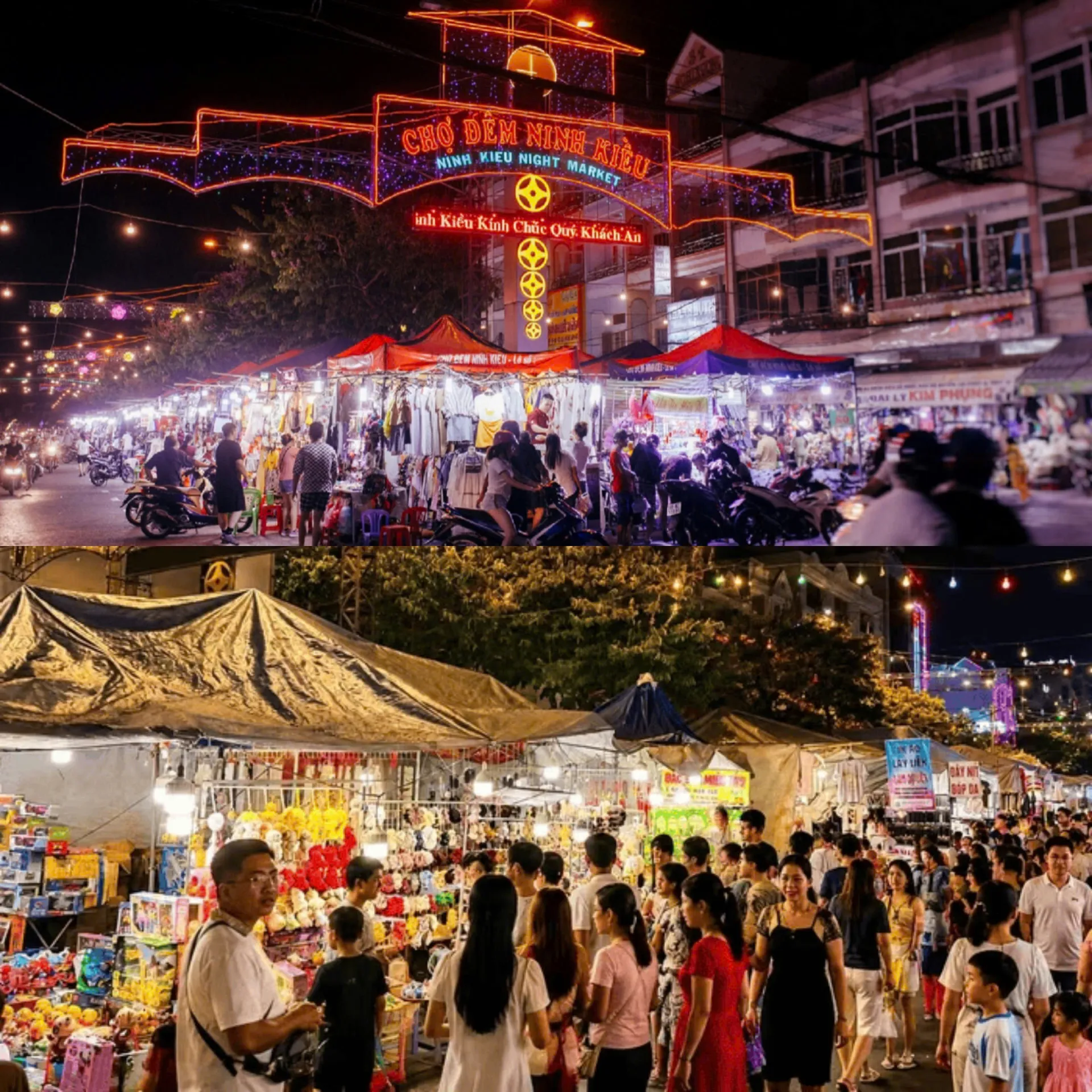
Location: About 1km from Ninh Kieu Wharf, Ninh Kieu District. Situated on Hai Ba Trung Street, Ninh Kieu Wharf, Ninh Kieu, Can Tho.
Unique feature: Diverse street food space with snacks, seafood, grilled dishes, alongside souvenir and clothing stalls.
Reason to visit: An ideal place to explore rich cuisine and experience the dynamic nightlife of the city.
9. Can Tho Museum
The largest comprehensive museum in the Mekong Delta, with an exhibition area of nearly 3,000m², preserving over 5,000 artifacts and rare documents.
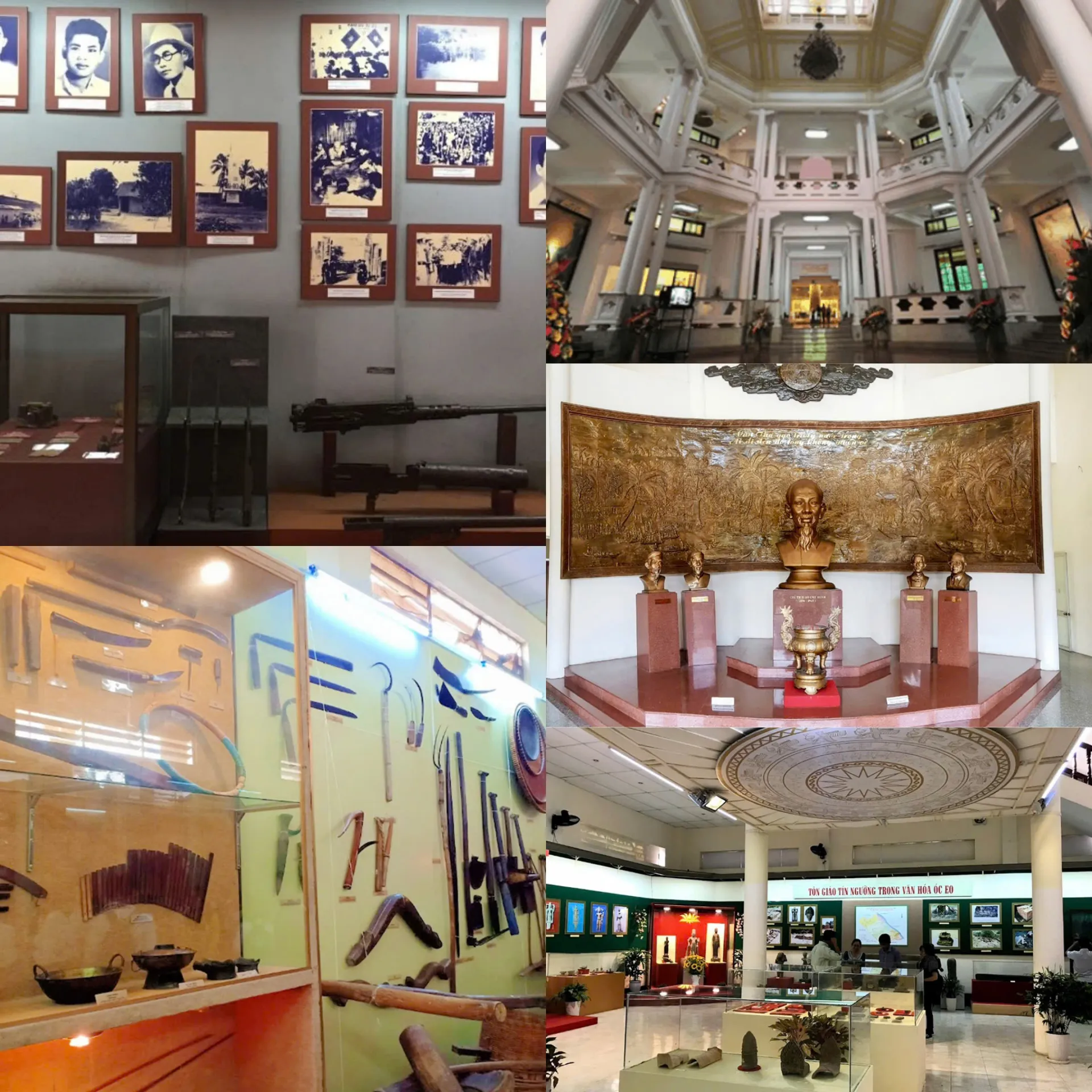
Location: Hoa Binh Avenue, Tan An Ward, Ninh Kieu, Can Tho.
Unique feature: Preserves and displays thousands of artifacts about the history of reclamation, the struggle process, and the cultural features of the three ethnic groups: Kinh - Hoa - Khmer.
Reason to visit: A destination that helps systematize information and provides a deep understanding of the history and cultural roots of the Tay Do land.
10. The Purple House Film Studio (Can Nha Mau Tim)
A modern sightseeing and photography spot that has attracted numerous tourists recently, featuring a uniquely special decoration with a dreamy purple theme. It is a destination that leaves a lingering memory for visitors coming to Tay Do.
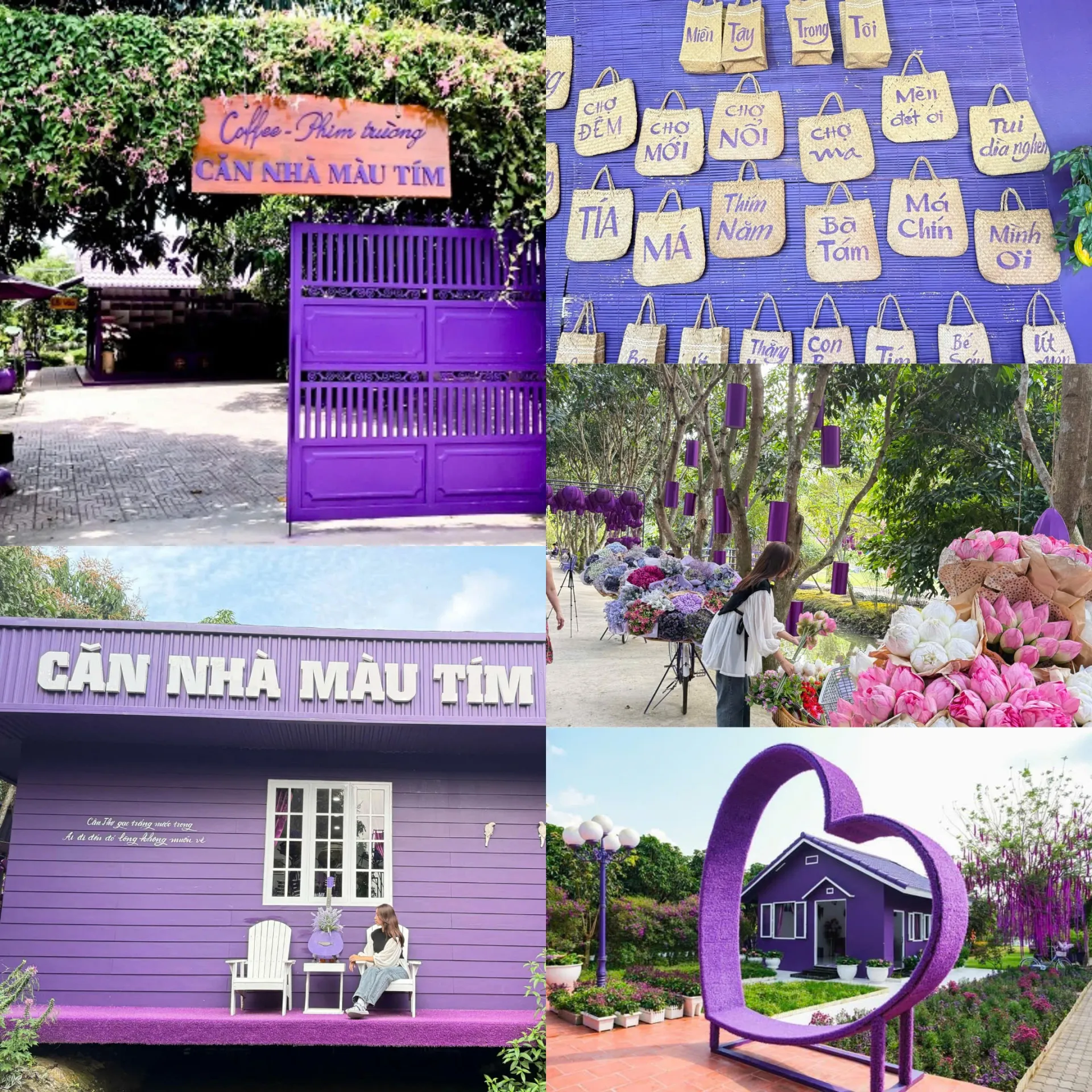
Location: Chi Sinh Street, Tan Phu Ward, Cai Rang District.
Unique feature: The entire space - from the houses, campus, and coffee shop to the decorative miniatures - uses purple as the primary color.
Reason to visit: Creates a romantic, unique photography space, offering memorable moments during the trip.
Summary
Can Tho possesses a distinct charm stemming from the harmonious combination of its ecological natural landscape and its long-standing cultural and historical values. The floating markets bobbing at dawn, the fruit-laden orchards, and the rustic nature of the people here have painted an enchanting picture of Tay Do, leaving profound impressions on visitors after every trip.
Suggested Itinerary (2 Days 1 Night)
The 2 Days 1 Night itinerary is designed to optimize time and experience the most iconic destinations:
Day 1: River Culture and Orchard Experience
· 05:30 - 08:30: Visit Cai Rang Floating Market by boat, have breakfast on the river.
· 09:00 - 11:30: Visit and take photos at The Purple House Film Studio, then visit Truc Lam Phuong Nam Zen Monastery.
· 12:00 - 15:00: Move to Son Islet or My Khanh Tourist Village for lunch (enjoy deep-fried elephant ear fish, fermented fish hotpot - Lau Mam) and experience making folk cakes.
· 16:00 - 17:30: Explore the architecture of Binh Thuy Ancient House.
· Evening: Stroll around Ninh Kieu Wharf, cross the Love Bridge. Have dinner on a Hau River cruise or explore Tay Do Night Market.
Day 2: History - Exploring the Ecological Islet
· Morning: Visit Can Tho Museum to learn about the culture of the three ethnic groups: Kinh - Hoa - Khmer.
· Noon: Rest and enjoy local specialties (fermented fish noodle soup - Bun Mam, Vietnamese sizzling pancakes - Banh Xeo).
· Afternoon: Depart for Thot Not District, move to Tan Loc Islet. Stroll around Tan Loc Coconut Garden, pick fruits in the garden, and visit ancient houses.
· Late Afternoon: Depart for the return trip, concluding the journey.
The land of Can Tho always welcomes visitors with sincerity, rustic charm, and poetic river scenery. The journey to discover Tay Do promises to deliver rich cultural experiences and memorable moments.