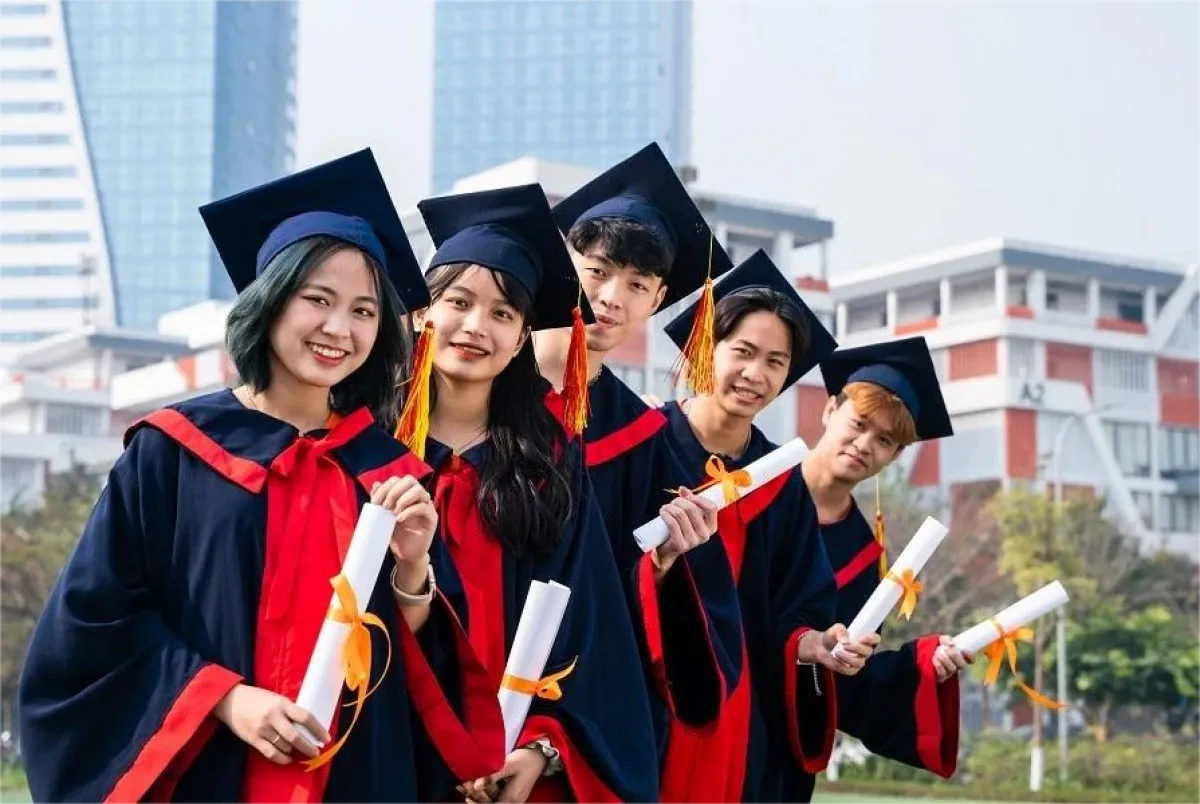
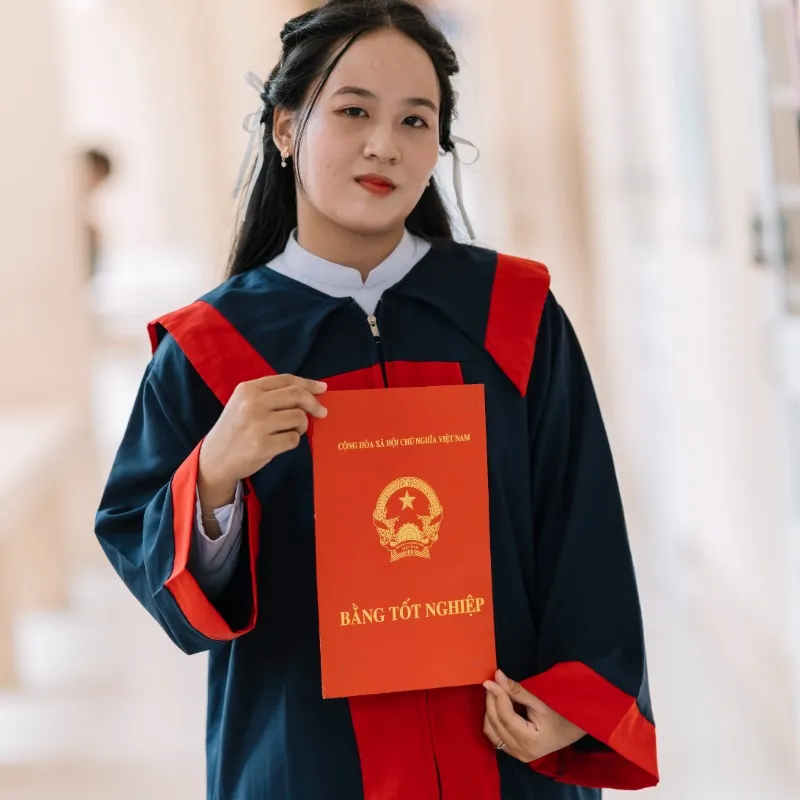
For decades, a child's success at school has largely been measured by numbers on report cards and certificates recognizing academic excellence. This traditional exam-oriented mindset has inadvertently turned schools into fiercely competitive racetracks, where students are expected to passively absorb and memorize knowledge to prepare for periodic examinations.
However, in the digital age, purely academic knowledge, which can often be found with a single click, is no longer a universal key to guaranteeing a child's future. Modern comprehensive education must shift its focus away from grades and toward developing social skills, critical thinking, creativity, and the ability to adapt flexibly to changing circumstances.
Real life has shown that students who achieve perfect scores at school do not automatically become successful and happy adults. High grades may reflect short-term memory or a child's ability to solve standardized exercises at a particular point in time. When confronted with life's open-ended challenges, such as managing personal emotions, resolving conflicts within a group, or making strategic decisions during a crisis, those perfect scores on paper become largely irrelevant.
Today, reputable educational institutions around the world are moving toward multidimensional child development assessment frameworks when designing their curricula. These approaches emphasize a balance between intellectual growth and core values such as compassion, responsibility, honesty, and respect, helping children develop in a sustainable and well-rounded way.
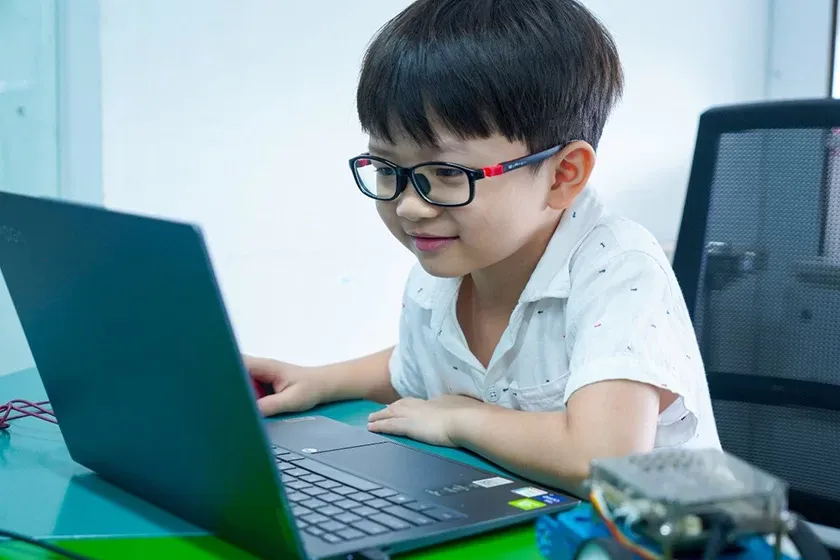
Children in the digital age are not short of information. In fact, they are increasingly exposed to information overload and misinformation on the Internet. Their most important ability is therefore to question, analyze, filter, and verify the accuracy of data rather than accept it blindly. Innovative educational methods encourage students to engage actively in group discussions, exchange ideas freely, share their perspectives, and give presentations. This process helps children apply what they have learned to real-life situations, confidently explore new ideas, and develop independent creative thinking. In doing so, they turn humanity's accumulated knowledge into a practical tool for solving everyday problems.
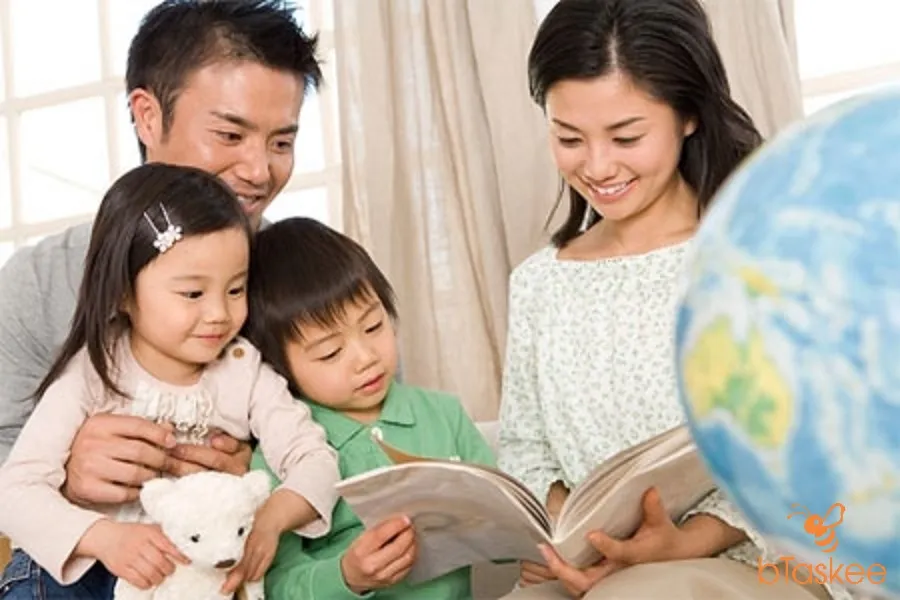
One of the greatest challenges facing children in this century is the risk of social isolation and declining face-to-face interaction as smart entertainment devices increasingly dominate their lives. Although they live in a world of limitless virtual connections, children can easily lose their emotional bonds with the people around them in real life. For this reason, modern education regards social-emotional skills as an inseparable foundation of the learning process. Emotional intelligence enables children to recognize and manage their own psychological states, from joy and excitement to disappointment and anger, while also understanding and empathizing with the feelings of others.
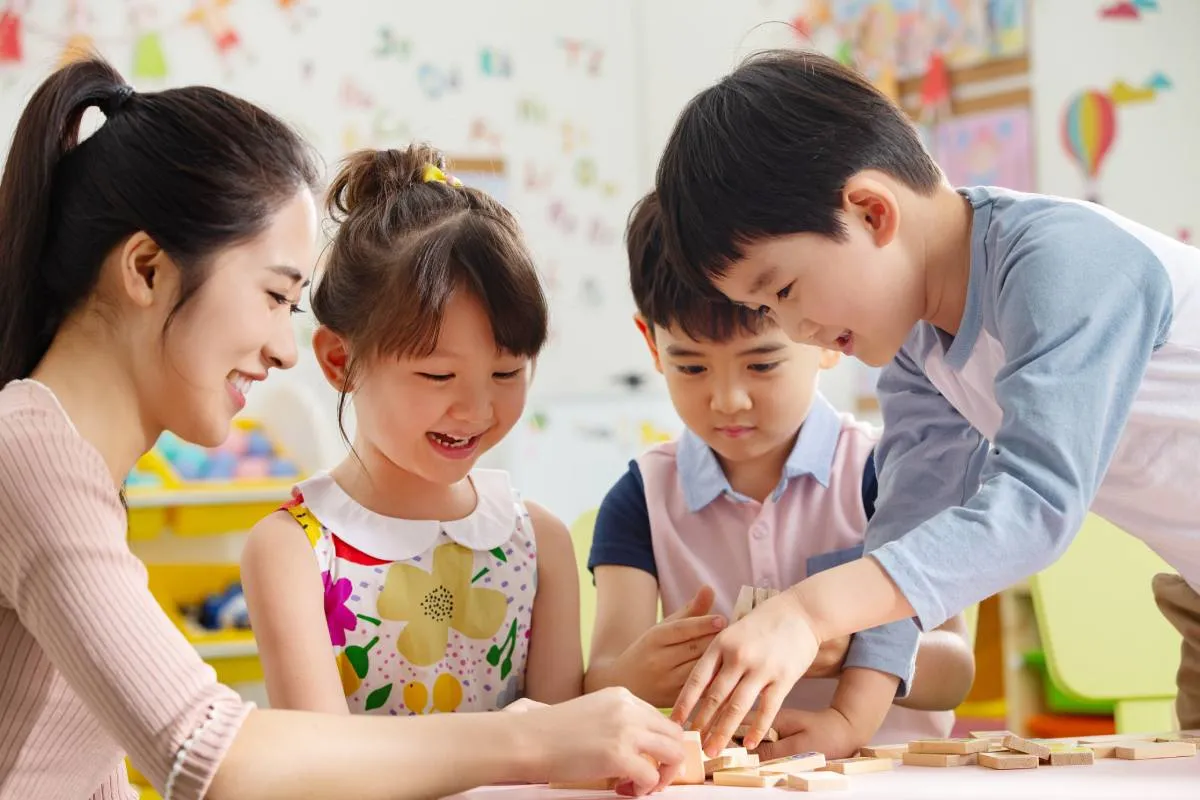
When nurtured in an educational environment that values emotional well-being, children learn to listen actively, share resources, cooperate peacefully in teams, and resolve disagreements through nonviolent communication. These experiences help them develop a socially responsible approach to behavior, giving them the courage and confidence to step outside their personal bubbles and integrate into the wider community. Educational psychology research and practices at institutions such as The Dewey Schools also emphasize that an environment filled with love, optimism, and emotional security can provide an ideal foundation for cultivating positive thinking, healthy lifestyles, and strong character, ultimately helping children grow into responsible members of society.
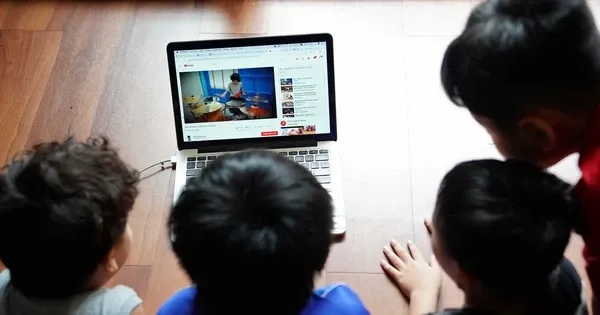
If there is one invaluable lesson humanity has learned from historical upheavals such as the COVID-19 pandemic and the transformation of employment structures brought about by large language models like ChatGPT, it is the paramount importance of adaptability and flexibility. The world around us no longer follows a predictable, linear path. Instead, it is changing at an extraordinary pace. Technical knowledge acquired at school today may become outdated within just a few years. Therefore, teaching children how to learn and fostering a lifelong learning mindset are among the core values of sustainable education.
Adaptability requires children to develop a growth mindset, viewing difficulties as opportunities for self-improvement rather than insurmountable obstacles. When crises disrupt in-person learning, students who have been well prepared to adapt and remain flexible can quickly adjust to online teaching and assessment methods while continuing to achieve their learning goals. Children with strong adaptive skills are less likely to panic or become passive when their circumstances change. Instead, they know how to revise their plans, seek new resources, learn to use emerging technological tools, and navigate adversity with confidence and resilience.