

Finding and renting a suitable house or apartment has never been easy, especially in a rental market that is constantly changing and filled with increasingly sophisticated traps.
In reality, many tenants, from university freshmen to young families, have ended up losing their deposits or enduring prolonged frustration simply because they acted carelessly and signed contracts in haste without conducting proper on-site inspections.
To ensure a smooth rental process, tenants need to keep a cool head, develop a thorough analytical mindset, and carry out comprehensive checks before making a commitment.
Location and nearby amenities
A common mistake among renters is viewing a property at only one fixed time of day, often during a quiet weekend. This can lead to a one-sided impression of the surrounding infrastructure. To assess a property's location accurately, prospective tenants should visit at different times, particularly during rush hour and heavy rain. This allows them to determine whether the roads leading to the property are frequently plagued by severe traffic congestion and whether the local drainage system works properly or leaves the streets submerged after a downpour. Living in a beautiful home may quickly take a toll on your physical and mental health if you have to spend two hours a day stuck in traffic fumes or wade through deep floodwater just to get home.
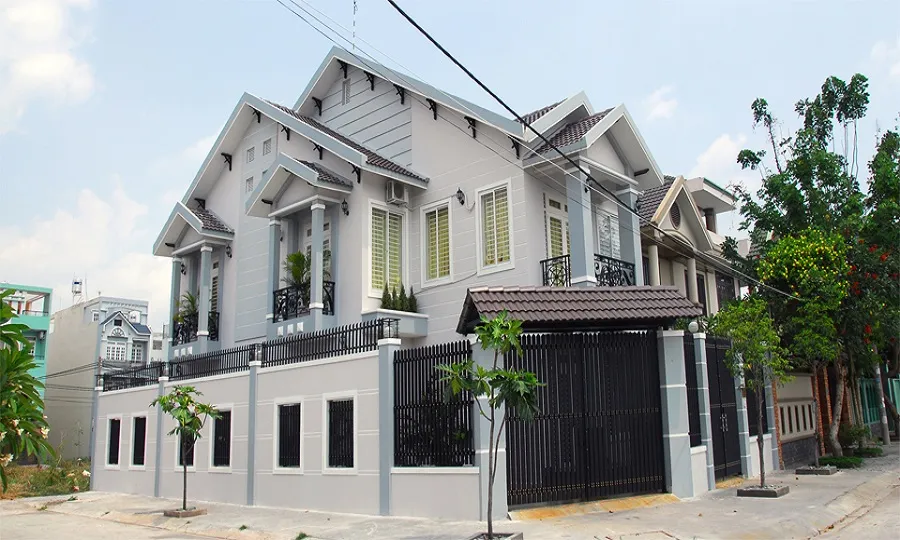
Beyond the distance to your workplace or school, nearby essential services are another key factor that deserves careful consideration. Tenants should take time to walk around the area within a one-kilometer radius of the property and check for essential amenities such as local markets, convenience stores, pharmacies, hospitals, and public transportation stops. Easy access to these services not only helps minimize commuting time and fuel expenses but also provides a valuable safety net in emergencies, such as when a family member suddenly falls ill at night.
You should also look for potential sources of noise and air pollution nearby, including construction sites, karaoke bars, late-night drinking establishments, and waste collection points. These can be major contributors to sleep deprivation and chronic stress among residents.
Rental prices and hidden costs

Many tenants fall into the trap of choosing a property with an attractively low advertised rent, only to discover that their actual monthly expenses are much higher because of additional service charges. During the first discussion with the landlord or real estate agent, tenants should request a clear breakdown of every service fee and record the exact rate for each item. In particular, electricity and water charges should be clarified to determine whether they follow government-regulated rates or commercial rates set by the landlord. The difference between these two pricing structures can be as much as two or three times, creating a significant financial burden at the end of the month.
Furthermore, tenants should prepare a checklist of other property management and operating expenses, depending on the type of accommodation. For apartments or homes in planned urban developments, these may include building management fees, security charges, corridor cleaning fees, motorbike and car parking fees, and elevator maintenance fees. Be sure to ask who is responsible for repairs and routine maintenance when major household appliances provided with the property, such as air conditioners, washing machines, refrigerators, or water pumps, develop problems due to normal wear and tear.
A sensible financial plan is to ensure that the combined cost of rent and all additional service charges does not exceed 30% of an individual's or family's total monthly income. This helps preserve enough financial flexibility for savings and other essential expenses.
Legal status and rental agreements
Legal checks should begin by verifying the identity and legal authority of the person renting out the property. Tenants have the right and responsibility to ask the landlord to present their citizen identification card and certificate of homeownership and land-use rights, commonly known in Vietnam as the pink book or red book, for verification. This helps ensure that the person signing the contract is either the lawful property owner or someone legally authorized to act on the owner's behalf through a notarized written authorization.

Renting through a third party without clear authorization carries considerable risks. The actual owner could appear at any time and reclaim the property, potentially leaving you without a place to live and causing you to lose your entire deposit.
When reviewing the rental agreement, tenants should never skim through the document. Instead, they must carefully examine every clause, particularly those concerning security deposits and refund conditions. The contract should clearly specify the deposit amount in terms of months' rent, how the deposit will be held, and the exact deadline for its return after the tenancy ends. Other provisions, including rent increases over time, the notice period required when either party wishes to terminate the agreement early, typically 30 to 60 days, and penalties for contractual violations, should also be stated in specific, unambiguous terms rather than vague language.
Property condition and security systems

Start by assessing the property's overall structural condition, from the ceilings and walls to the floors. Tenants should carefully inspect the walls for long, hairline cracks, signs of foundation settlement, or yellow stains and mold caused by faulty waterproofing. A property affected by leaks or dampness can damage personal belongings and create favorable conditions for bacteria and mold to grow, potentially posing serious risks to residents' respiratory health.
Next, check the electrical, mechanical, and plumbing systems. Turn on every light switch, assess the stability of the electrical supply, and open the taps in the bathroom and kitchen to check water pressure. You should also inspect how quickly water drains through the floor drains and look for signs of blockages or unpleasant odors.
Finally, assess the security measures and fire safety provisions both inside the property and in the surrounding area. Check the sturdiness of all doors, especially the main entrance, windows, and balcony doors. Make sure every lock works smoothly and is neither rusted nor loose.
Tenants should also take the initiative to speak with nearby residents or vendors at small street-side drink stalls to learn about neighborhood security. Ask whether petty theft or disturbances at night are common in the area.
Above all, fire safety must be a top priority. Determine whether the property has an emergency escape route, such as a balcony that is not completely enclosed by security bars or accessible stairs leading to an unobstructed rooftop. Check whether electrical wiring is concealed within the walls or protected by safety conduits, and confirm that basic fire safety equipment, such as portable fire extinguishers, is available and stored in an easily accessible location.