In the second half of 2026, Vietnam's education system is undergoing some of the most historic and profound changes and turning points in many decades.
The reforms are no longer limited to isolated experiments or pilot programs, but have officially been institutionalized through a series of macro-level policies taking effect in a coordinated manner. From restructuring the entire national education system and fundamentally changing the textbook model to humane policies such as tuition fee waivers and enhancing the status of teachers, Vietnam's education system is striving to "transform" from within toward substantive quality.
Education financing policies and the consolidation of learning materials
The most groundbreaking change, with the broadest impact on every Vietnamese household, is the widespread exemption of tuition fees for students at public schools. After receiving approval from the National Assembly and the Politburo, this policy has entered a comprehensive implementation phase, easing the financial burden on millions of parents and ensuring equal access to public education for children from preschool through the end of general education.
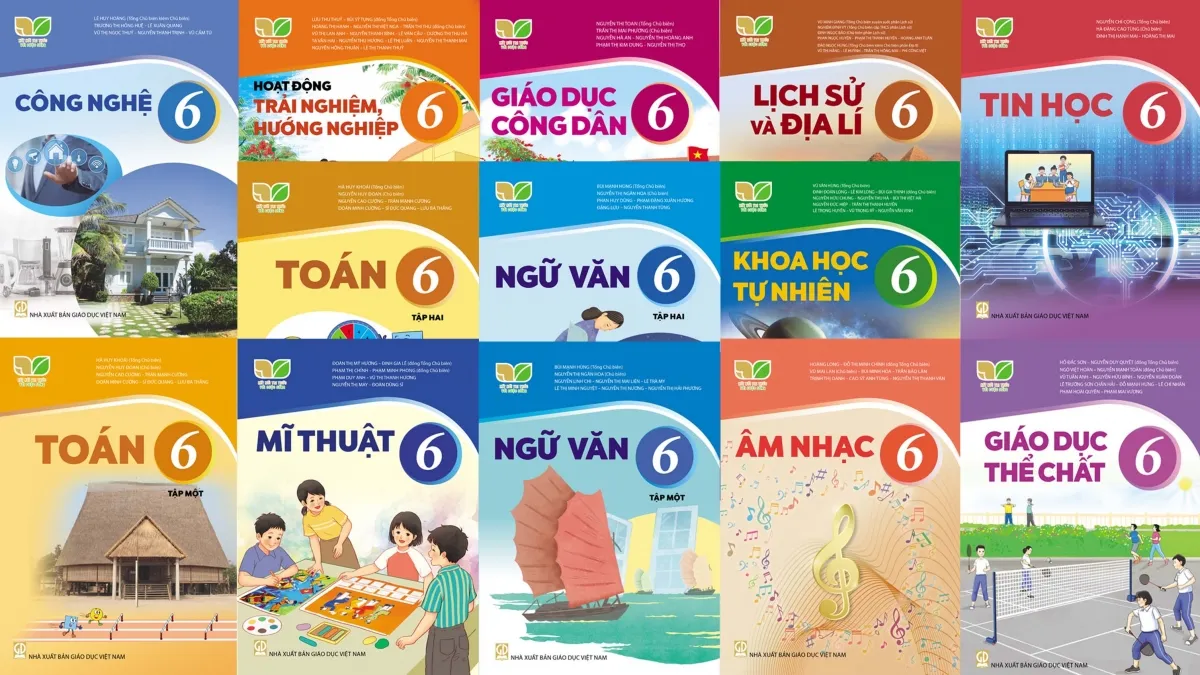
In addition, the education sector has decided to close the five-year experimental period of the "one curriculum, multiple textbook sets" model. Starting from this school year, the Ministry of Education and Training has agreed to return to using a single common set of textbooks nationwide, with the "Connecting Knowledge with Life" set selected as the official learning material. This timely adjustment helps reduce unnecessary disruption when students transfer schools, while allowing the state budget to focus resources more efficiently on substantive teaching rather than fragmenting them across the publishing market.
The Law on Teachers and the revolution in improving teachers' living standards
The transformation of an education system cannot be separated from the core role of its teaching workforce. The year 2026 marks a milestone as the Law on Teachers officially takes effect.
For the first time, it establishes the paramount principle that teachers' salaries are placed at the highest level within the administrative and public service salary scale. Alongside this, professional preferential allowances have been raised to very high levels, ranging from 45% to 85% depending on geographical area and level of education, helping teachers feel secure in remaining committed to the classroom.
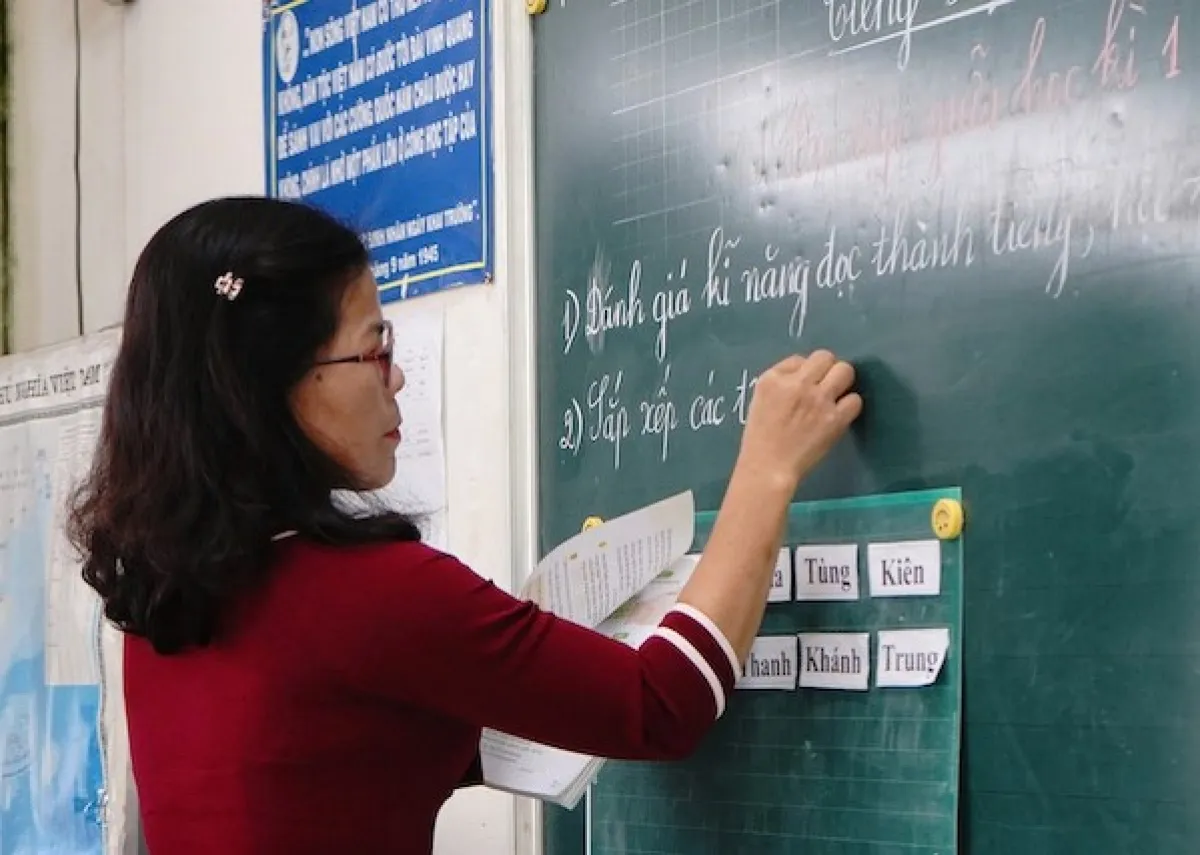
Notably, the education sector has now been granted full autonomy in recruiting, assigning, and utilizing personnel instead of depending on internal affairs agencies as before. This allows local Departments of Education and Training to regulate staffing more flexibly, address the fundamental problem of localized teacher surpluses and shortages, and attract high-quality human resources to the teaching profession.
Standardizing the system in line with international trends and streamlining diplomas
A major institutional shift officially took effect on September 7, 2026, under Decision No. 38/2026/QD-TTg of the Prime Minister, which establishes the new Framework for the Structure of the National Education System.
Vietnam's education system is now clearly divided into nine levels of educational programs, creating a seamless pathway between general education, vocational education, and higher education.
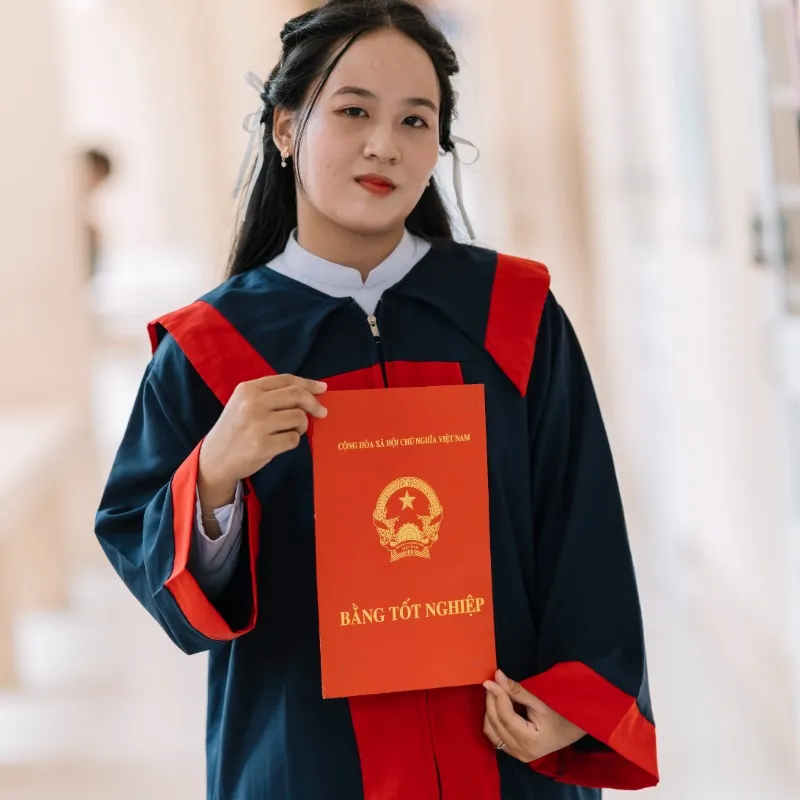
Along with the trend toward greater flexibility and reducing the pressure of administrative examinations, the abolition of the lower secondary school graduation diploma for ninth-grade students has also officially been implemented. After completing the program, students no longer have to go through the cumbersome process of receiving a diploma, as the principal directly certifies completion in the electronic school record, in line with modern management models in developed countries. This streamlining is intended to make the process of directing students into different educational pathways after Grade 9 more natural, expanding opportunities for them to pursue vocational training or academic education according to their individual abilities.
Updating training programs and tightening admission quality
Under the newly issued Circular No. 78/2026/TT-BGDDT, the Ministry of Education and Training has revised and updated four subjects in the continuing education curriculum. Knowledge about the history of protecting sovereignty over border areas, legitimate rights in the East Sea, and lessons on the two-tier local government system have been systematically and accurately incorporated into textbooks.
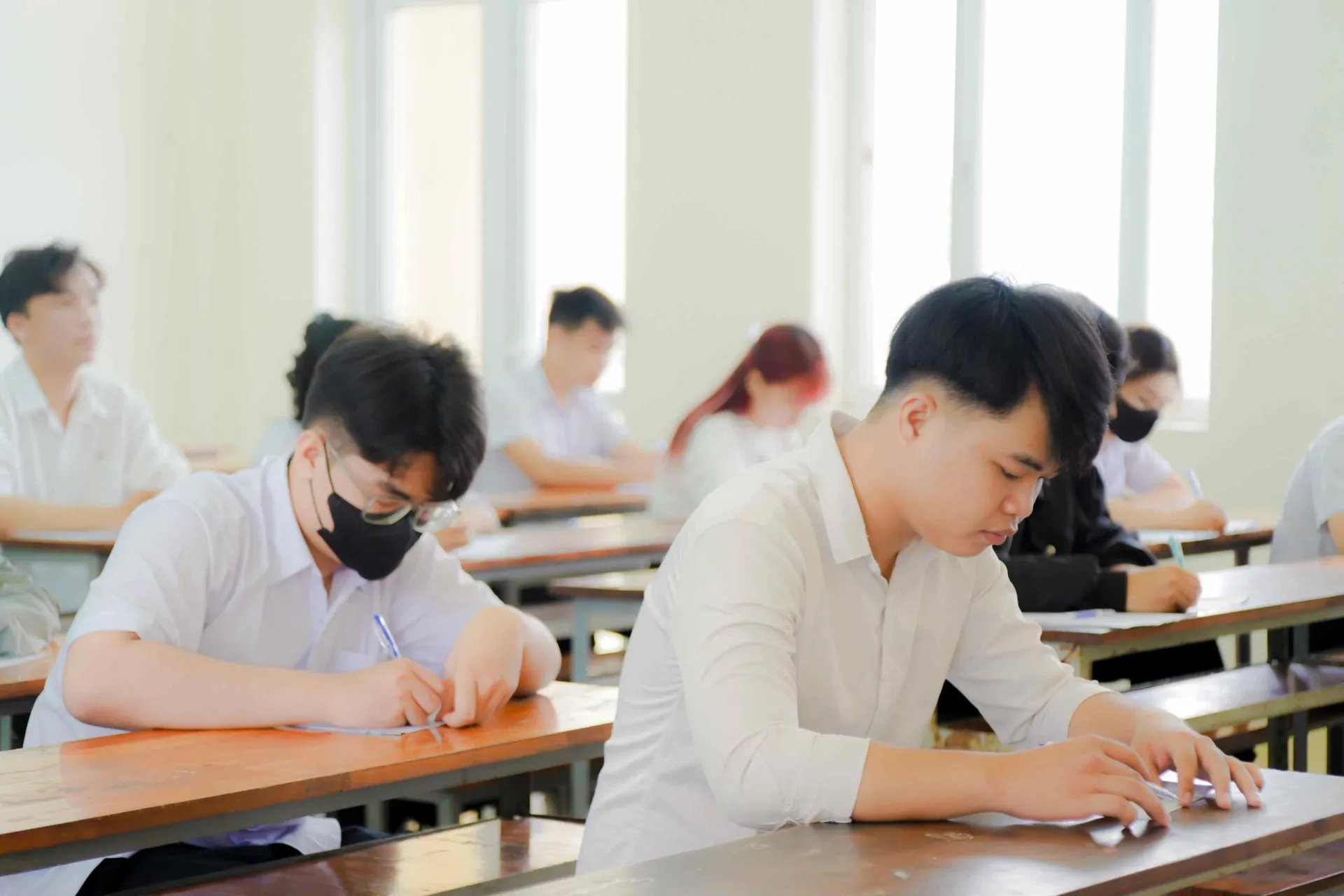
At the university and examination levels, the campaign against the pursuit of achievements has been intensified through the movement of "real teaching, real learning, real examinations, real assessment." In the most recent admission cycle, the Ministry tightened regulations by requiring all candidates, regardless of admission method, to achieve a certain minimum score on the high school graduation examination. At the same time, it began a roadmap to limit the excessive use of additional points from international certificates such as IELTS in order to ensure fairness for students in remote and disadvantaged areas.