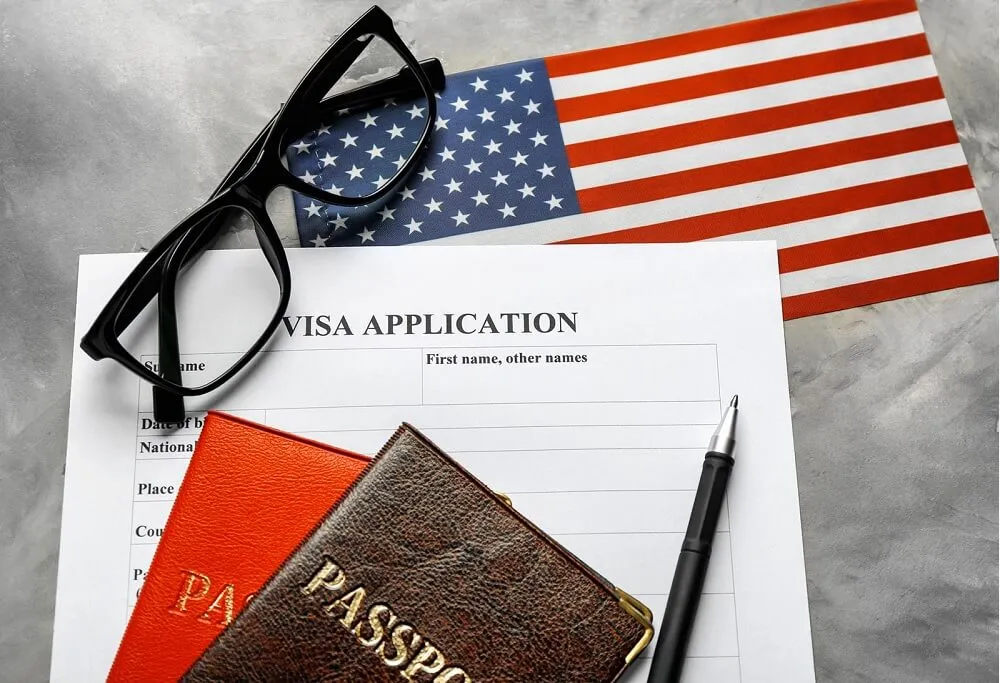

Studying in Australia is often portrayed as a perfect dream with sun-drenched beaches, a top-tier education system, and vast opportunities to change one's life. However, behind the glossy advertisements from consulting agencies lies a harsh reality that not everyone is ready to face.
Equipping yourself with an authentic perspective that strips bare the struggles of making a living in a foreign land is mandatory so you don't get disillusioned when setting foot in the land of kangaroos.
The crushing financial pressure
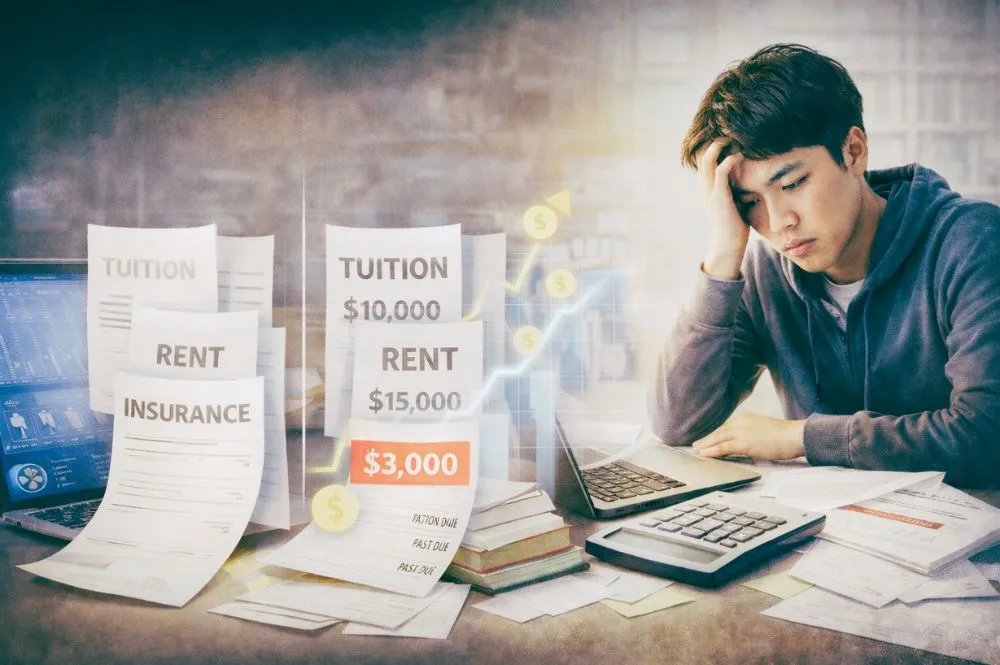
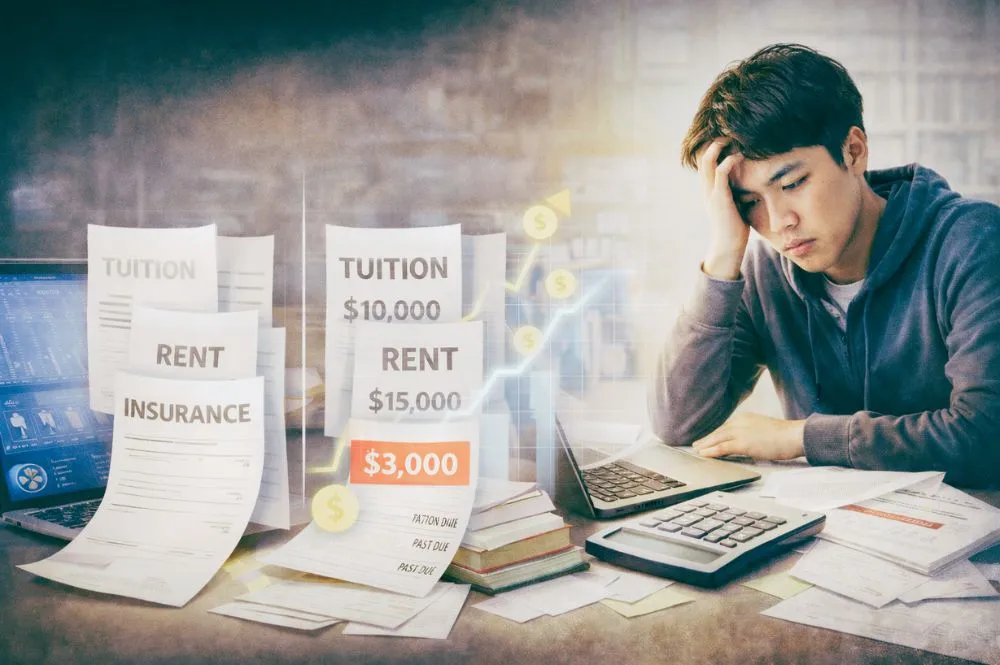
Upon arriving in Australia, the first shock that hits the reality of international students is the suffocatingly high cost of living. From skyrocketing rents in major cities like Sydney or Melbourne, to food, public transportation, and mandatory health insurance, everything creates a massive burden.
If the family lacks a truly solid financial foundation and merely counts on their children working part-time to cover expenses upon arrival, the risk of financial exhaustion is entirely possible right in the very first semester. The bills piling up at the end of each month are an ever-present, invisible nightmare that drains the energy of these young people.
The dream of working part-time to be self-sufficient and change one's life is often shattered by a harsh reality. Australian law has incredibly strict regulations regarding the limit on part-time working hours for student visas, making the grind to pay off enormous tuition fees through manual labor an almost impossible equation.
Furthermore, the unskilled job market is always fiercely competitive due to the increasingly crowded influx of international students pouring into Australia. Finding a stable job that pays legally is not easy, pushing many into a corner where they have to work under the table for meager wages, enduring exploitation from employers and the ever-present risk of deportation.
The battle of studying and immigration
Transitioning from the learning environment in Vietnam to Australia requires a tremendous amount of adaptation that many international students often underestimate. In Western educational environments, the concept of hand-holding or being closely tutored by teachers like in high school is completely nonexistent. The majority of the time, students must navigate a sea of knowledge on their own, independently researching massive volumes of materials, tackling complex group assignments, and bearing immense exam pressure. Failing a subject not only brings disappointment in one's own abilities but also delivers a direct blow to the family's finances, as the cost to retake a course in Australia is always staggeringly high.
Running parallel to the academic pressure is the fierce battle for immigration, a long-held dream that many pursue but few easily grasp. Contrary to promises of easily obtaining a permanent resident card, Australian immigration law changes continuously every year, even every quarter. Policies tightening immigration quotas, raising required scores, and constantly altering the list of priority occupations turn the path to settlement into a maze with no universal answer. The truth is that holding a diploma does not automatically grant the right to stay; many international students have had to pack their bags and return home in regret after dedicating years of their youth to this country.
A lonely emotional life

Beyond the barriers of material wealth and future prospects, the most terrifying dark side is perhaps the mental erosion. Culture shock and extreme loneliness are a bitter taste that almost every international student must experience during their first few months.
Away from the embrace of family, you must take care of everything yourself, from grocery shopping, cooking, and cleaning, to balancing the grind in the lecture halls with hustling out in society. Coming home late at night from a part-time job, trudging alone in a cramped rented room, coupled with language barriers in daily communication, easily turns self-pity into a heavy psychological burden. Without a strong will and a supportive network of friends, many young people have fallen into a spiral of stress and sunk into persistent depression.
Additionally, the weather and climate are silent barriers that directly affect people's pace of life and mood. Located in the Southern Hemisphere, Australia features weather completely opposite to that of Vietnam. The freezing winters in the southern states, with gray skies and darkness falling very early in the late afternoon, easily cast a gloomy fog over the mind. For those accustomed to a sunny tropical climate, failing to adapt in time to this harsh change often leads to seasonal affective disorder. The cold environment inadvertently heightens the feeling of isolation, making the study abroad experience sometimes feel more suffocating and exhausting than ever before.