
In modern society, it is not uncommon to come across amusing yet troubling stories about students at prestigious schools and selective classes who earn perfect scores and win numerous academic awards, yet feel completely lost when asked to cook a simple meal, replace a broken light bulb, or handle a minor communication conflict in everyday life.
This situation has raised serious concerns about the enormous gap between academic knowledge and students’ practical life skills. Many parents have fallen into the trap of prioritizing academic achievement, believing that as long as their children perform exceptionally well at school, success in the future will naturally follow.
The root causes of impressive academic records but imbalanced competencies
When parents place too much emphasis on grades, they inadvertently create a distorted frame of reference, leading children to believe that their self-worth depends entirely on academic achievement. To ensure their children devote all their energy to academic competition, parents are willing to handle every household task, from cleaning bedrooms and doing laundry to preparing clothes. These sacrifices are made in the name of love, but they unintentionally deprive children of opportunities to develop independence.
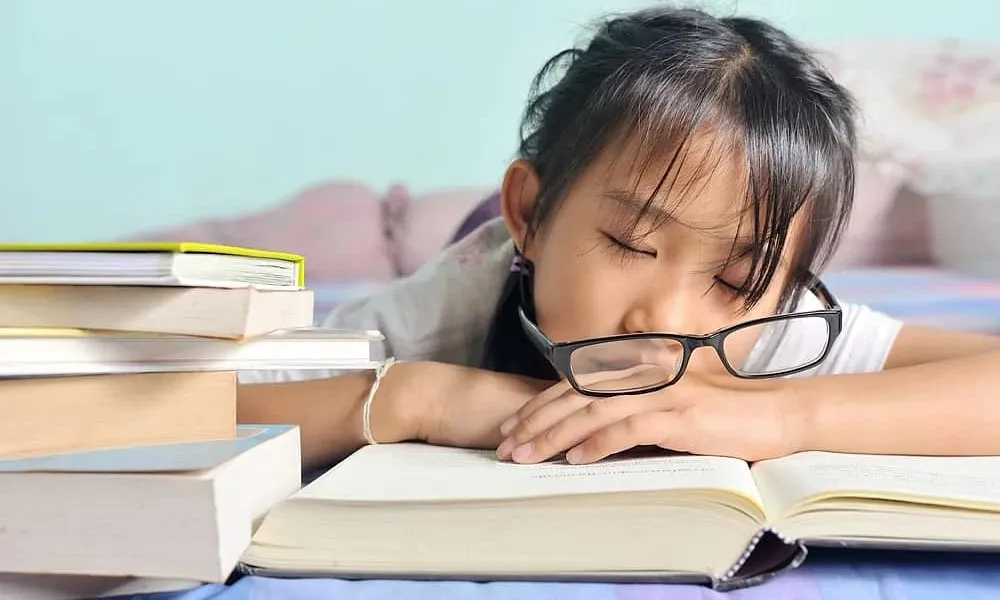
In addition, although the formal education system has undergone many reforms, it still places considerable emphasis on a vast amount of theoretical knowledge, leaving students’ daily schedules packed with extra classes. Some parents even reinforce this mindset by accepting the trade-off of practical skills for academic knowledge. As a result, children are trained to become outstanding problem-solving machines, yet remain unfamiliar with the rules governing everyday life. They have fewer opportunities for social interaction and lose the ability to adapt flexibly when their living environments change.
The consequences of the gap between textbooks and real life
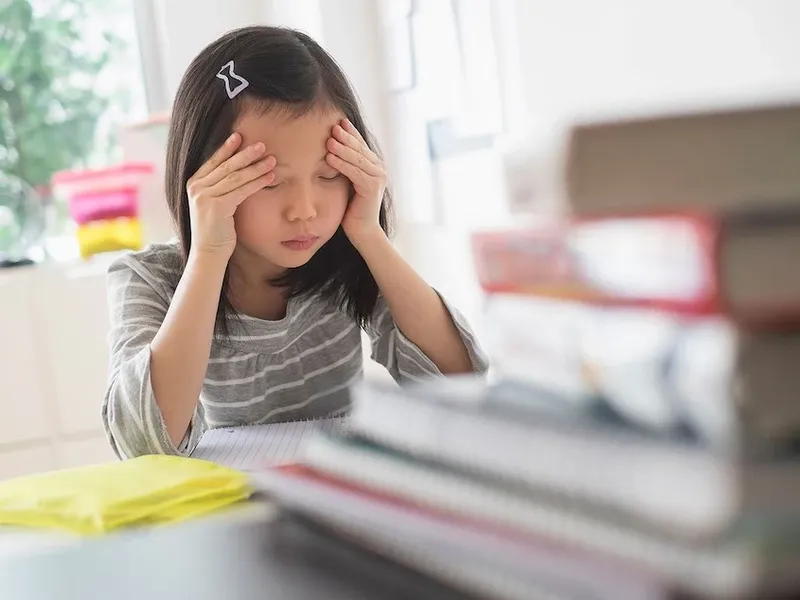
The transition from high school to university, or from education to employment, is when these skill gaps become most apparent. Many young people who excelled academically in high school experience severe shock and struggle emotionally when they enter university because they lack teamwork skills, feel uncomfortable communicating with strangers, and do not know how to manage their time. When there are no longer ready-made questions with predetermined answers in front of them, they struggle to make independent decisions and become afraid of their first failures in life.
A lack of essential soft skills, such as emotional management, critical thinking, and conflict resolution, can also leave young people vulnerable to isolation in group settings. When faced with work pressure or unexpected situations that demand quick thinking and adaptability, these “theoretical geniuses” can easily become overwhelmed, potentially leading to anxiety disorders and depression.
If children do not learn to take care of themselves through even the smallest daily tasks before entering adulthood, they will face numerous difficulties in managing their personal lives. Their ability to adapt when studying away from home may decline, and their capacity to build happy families of their own in the future may also be negatively affected.
The role of practical activities and a guide for parents
To bridge this gap, parents need to make a significant shift in their mindset: developing life skills should be considered just as essential and important as acquiring academic knowledge.
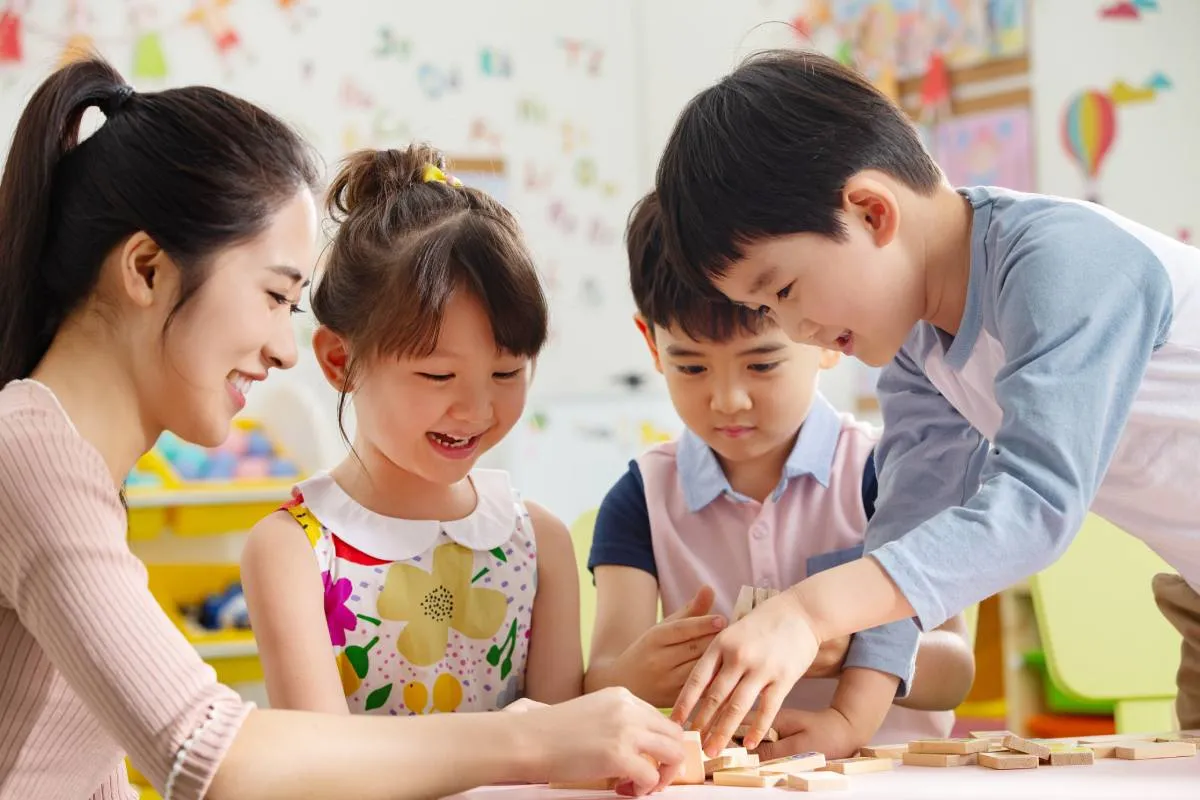
The most fundamental and sustainable solution is to involve children regularly in practical, hands-on activities. Parents should begin by stepping back at the right time, allowing their children to gain experience and take responsibility for their own lives, starting with the simplest tasks. Turn the home into a miniature school by assigning clear household responsibilities, such as cooking and cleaning, and taking children grocery shopping to teach them the value of money and how to manage spending. According to educational materials from The Dewey Schools, the most effective approach to teaching life skills must be based on an understanding of each age group's psychology, providing children with opportunities to take action while encouraging parents to be patient and refrain from excessive criticism when mistakes occur.
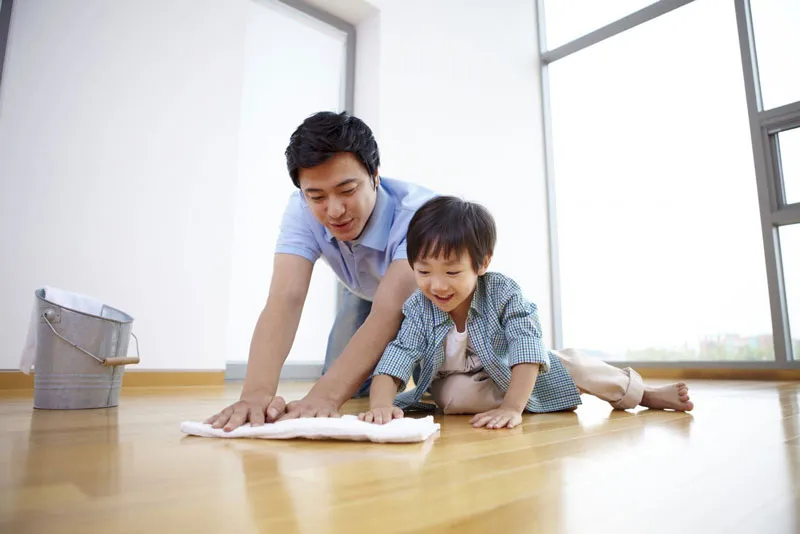
In addition to activities at home, parents should encourage their children to participate in extracurricular activities, sports clubs, art programs, and community volunteer campaigns. These environments require children to step outside their comfort zones, communicate face to face, and learn to compromise, listen, and cooperate with people of different personalities to achieve shared goals.
By participating in real-world projects, children will understand that mathematical knowledge can be used to calculate budgets, biology can be applied to growing plants, and language skills can help them persuade others. Direct exposure to a wide range of real-life situations will help children develop resilience, confidence in public settings, and the ability to protect themselves against scams.