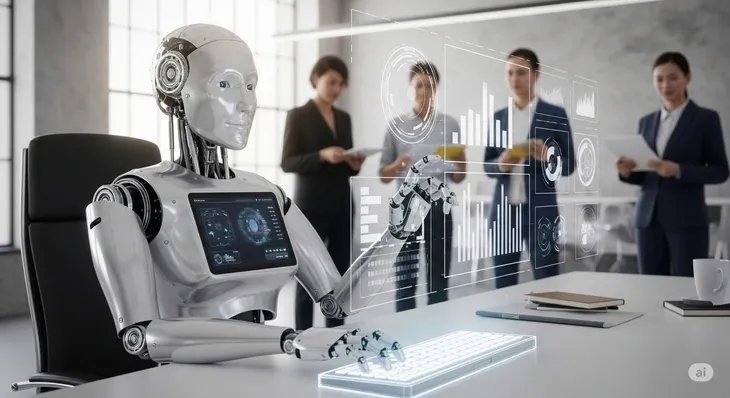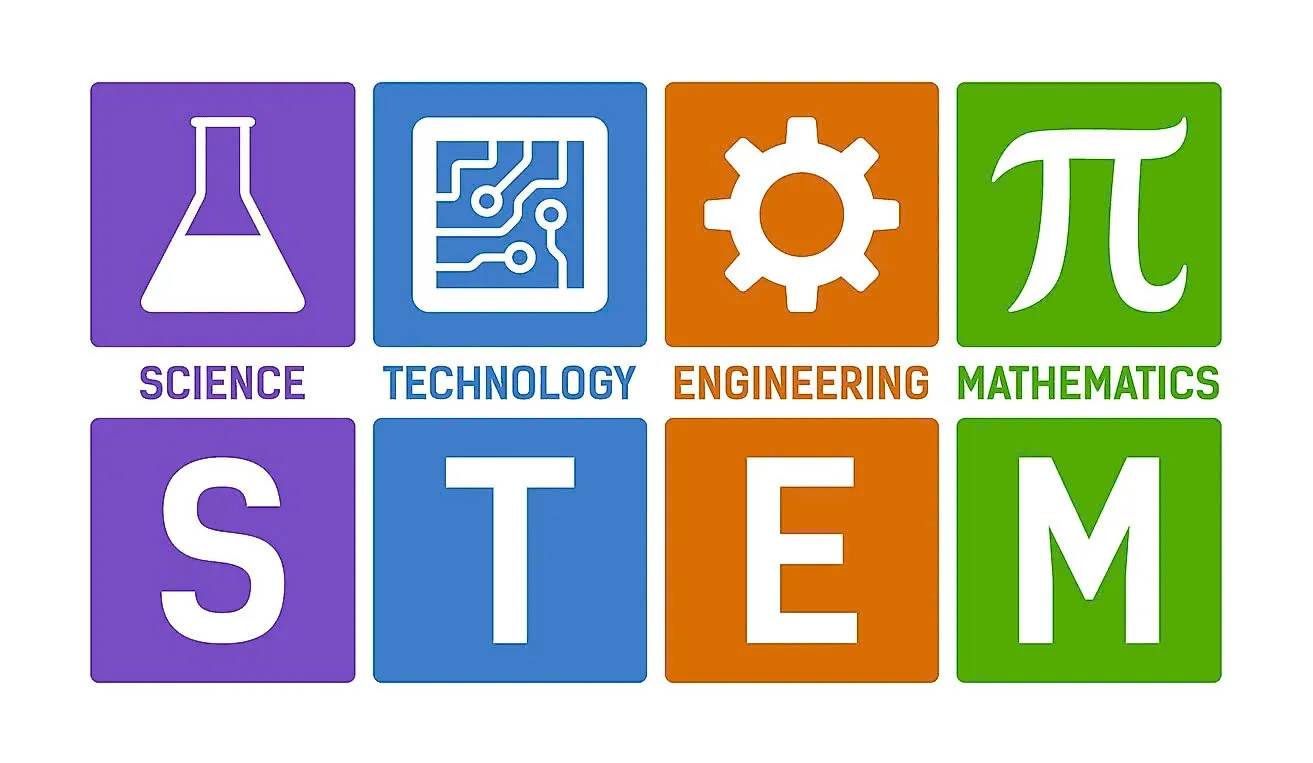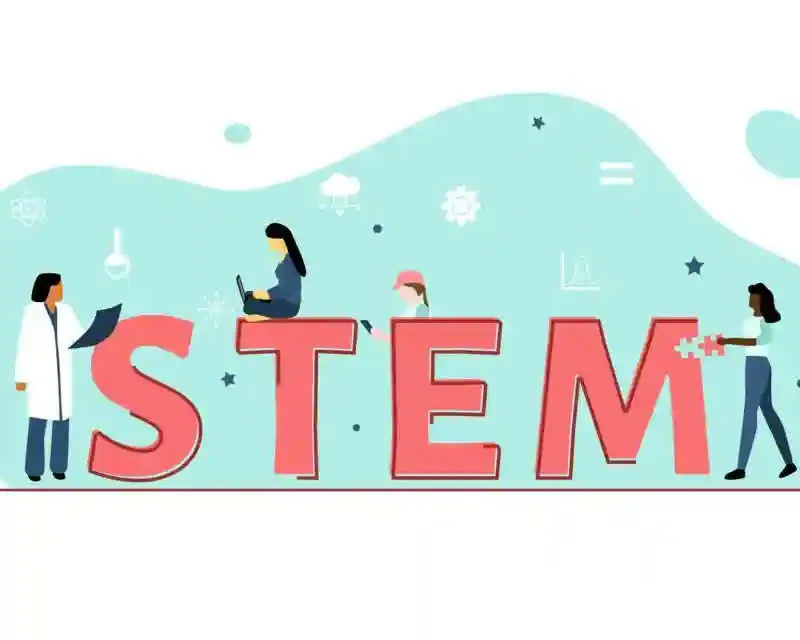

In the context of globalization and the Fourth Industrial Revolution, Vietnam is facing a golden opportunity to transform itself into a regional technology hub, particularly in cutting-edge fields such as artificial intelligence (AI), the semiconductor industry, and digital transformation. However, the biggest barrier today does not lie in capital or geographical location, but rather in the severe shortage of high-quality technology human resources. To thoroughly solve this problem, STEM education (Science, Technology, Engineering, Mathematics) emerges not merely as a trend, but as a strategic “key” to architecting the future workforce.
Unlike traditional educational methods that are often heavy on theory and fragment subjects, STEM education offers a multi-dimensional learning model with clear, practical benefits:
· Interdisciplinary thinking and problem-solving: Instead of rote memorization, students are placed in real-life situations. They must apply Mathematical knowledge to calculate, Science to understand principles, and Technology and Engineering to manufacture products. This process hones logical thinking and flexible problem-solving abilities.
· Fostering creative and innovative thinking: STEM does not have a single correct answer. Students are free to experiment, fail, and improve. This is a vital trait for a future technology engineer or programmer.
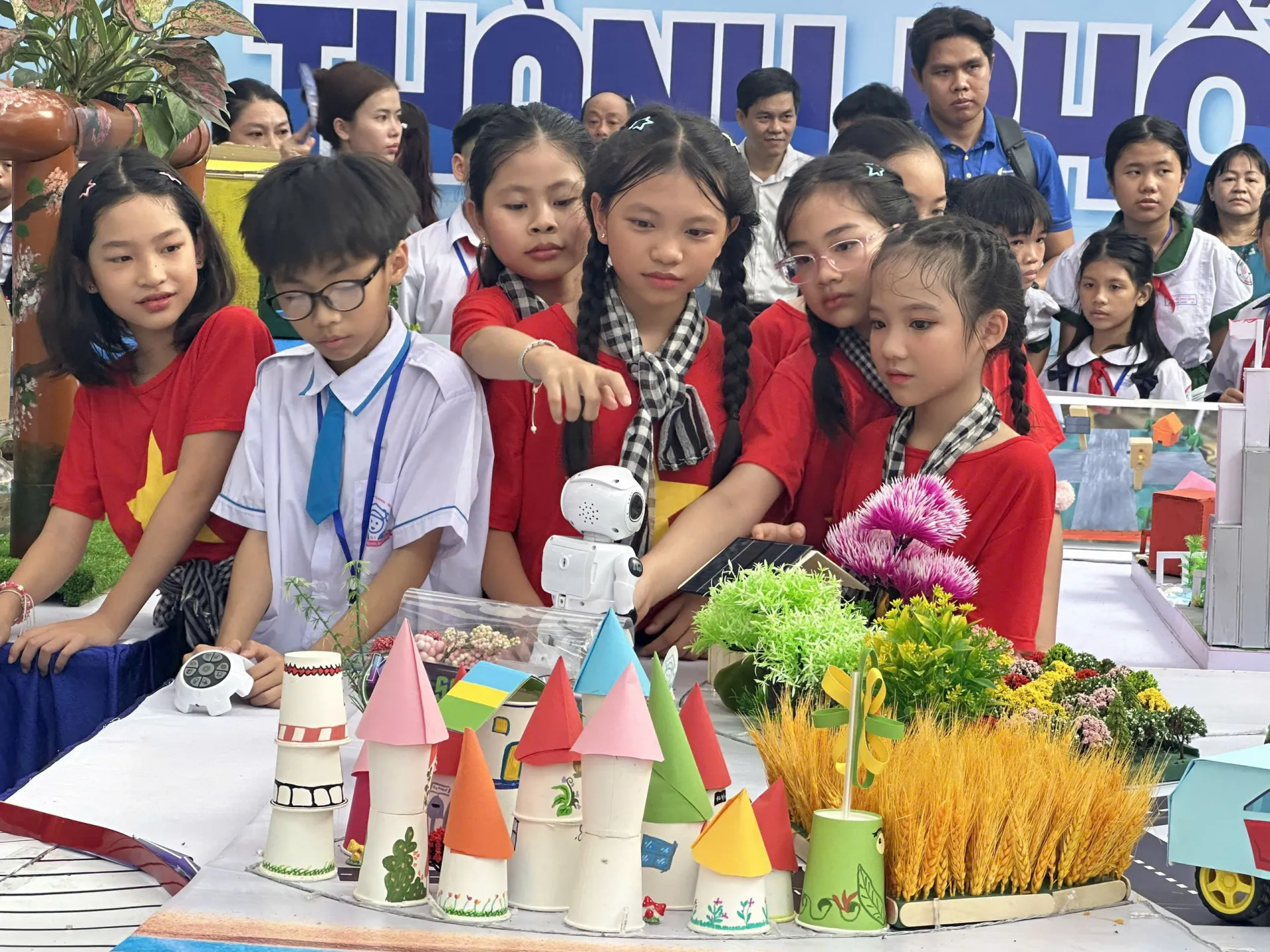
· Bridging the gap between “Learning” and “Doing”: Through projects such as programming robots, designing electrical circuits, or building ecological models, learners can directly create products. Early exposure to technology helps them break down psychological barriers of fearing technical subjects.
· Developing soft skills: STEM projects often require teamwork, task delegation, and giving presentations to defend ideas. These are essential skills that global technology corporations always look for in candidates.
What Will Vietnam Create If STEM is Well-Developed?
If STEM education is invested in methodically and synchronously from primary to university levels nationwide, Vietnam's economic and technological landscape will take defining leaps forward:
A cascade of high-quality human resources for billion-dollar industries: Vietnam will no longer face the situation of “too many masters, not enough workers” or graduates needing retraining. We will have a ready workforce of engineers who understand algorithms, are proficient in programming, and possess a solid foundation in technical thinking, ready to supply the global value chain.
Shifting from “Outsourcing” to “Innovation” (Make in Vietnam): The workforce trained through STEM has the mindset to master technology rather than merely using it. This creates a solid foundation for Vietnam to build core technology products and independently develop hardware and software.
Booming innovative startup ecosystem: When a constructive mindset is nurtured from the school desks, the younger generation will have enough confidence to turn ideas into commercial products, giving birth to many unicorn startups run by Vietnamese people.
Narrowing the development gap: If STEM is successfully introduced into rural areas (through recycled STEM models, open-source programming), we will create equality in opportunities to access technology, unearthing talents from all over the country.

Difficulties and Challenges in Implementing STEM in Vietnam
Despite bringing immense potential, the path to comprehensively integrating STEM education into Vietnam's school system is still stumbling upon significant barriers:
· Barriers of facilities and costs: Setting up practical labs and purchasing learning tools like robotics assembly kits, microchips, or 3D printers requires a large budget. This creates a burden on public schools and deepens the “digital divide” between urban and rural students.
· Shortage of interdisciplinary teachers: The current pedagogical system mainly trains teachers in a single-subject model (separate teachers for Math, Physics, Chemistry). Requiring a teacher to integrate all four S-T-E-M fields into one lesson is a major challenge, demanding a retraining process that takes a lot of time and effort.
· Traditional exam pressure: This is a psychological and structural barrier. The education system still heavily emphasizes examinations, using scores from academic subjects as the criteria for university admission. Because STEM takes a lot of practice time but is not yet an official evaluation criterion, many parents and students still have a dismissive mentality, considering it merely a “minor subject” or extracurricular activity.
· Inconsistent curriculum: Integrating STEM into the already dense time frame of the general education curriculum faces much confusion. Many schools implement STEM merely for show, following a trend without truly delving into its core, which is problem-solving.
As can be seen, STEM education is not simply about equipping classrooms with more computers or robots; its essence is a revolution in educational thinking. Although this path encounters many barriers regarding facilities, teaching staff, and exam-related psychological hurdles, it is a mandatory transition. For Vietnam, a country currently in its golden population phase and aspiring to rise through technology, untying the knots to put the STEM model into practice is the shortest and most sustainable path to upgrading the quality of its human capital.