

The history of commodity trading has rarely recorded such an extreme and lightning-fast phenomenon of volatility as what has been unfolding in the oil market recently.
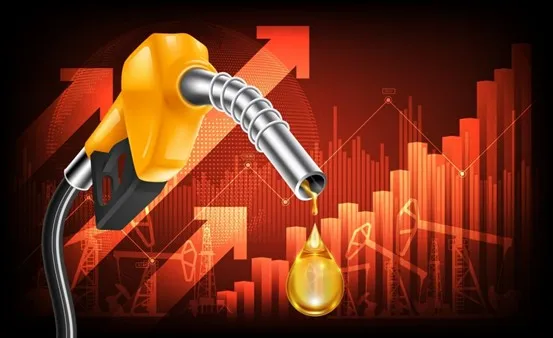
In just a few short days, the price chart of black gold has drawn a sharp sine wave, soaring fiercely to touch crisis peaks and then immediately plunging uncontrollably. This spectacular reversal not only shatters all traditional risk forecasting models but also pushes analysts into a state of bewilderment, as an energy crisis that seemed on the verge of exploding can be extinguished and cooled down at a speed measured in hours.
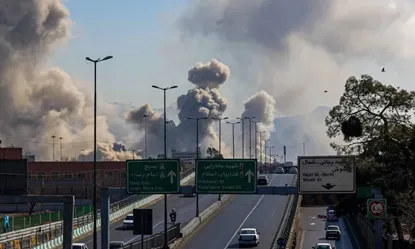
This dramatic chain of events is triggered by dizzying shifts on the geopolitical chessboard on the ground. Just before ceasefires were brought to the table for discussion, the prospect of vital maritime routes being blockaded created a panic buying spree, pushing oil prices to record highs due to fears of a global supply chain disruption. However, the situation astonishingly reversed as soon as the first signals of détente were broadcast.
According to reports and observations from specialized sites like the New York Post, just a fragile ceasefire announcement was enough to create a massive sell-off, causing oil prices to evaporate by 10 to 15% of their value almost immediately. This free fall shows that the market has brutally shifted from the fear of scarcity to a mentality of dumping for profit-taking.
Behind this fierce jerking is the domination of two main drivers, in which the psychological factor plays an absolutely leading role. First of all, the current energy market is reacting at a speed that far exceeds the actual physical changes in the flow of oil. Speculators act intensely based on news headlines and projected scenarios, causing mob mentality to completely overwhelm actual reserve statistics. The second driver comes from excessive expectations regarding supply recovery. As soon as there is news of a truce, cash flow immediately prices in the scenario that strategic shipping routes will automatically and smoothly reopen, ignoring the truth that restoring a logistics infrastructure that has just faced military threats requires a considerable time lag for safety assessment.
The seismic shock from the fluctuation of spot prices has quickly created shockwaves that destabilize related industry groups on a global scale. The most immediate consequence is the bloodbath on the stock market for the group of extraction enterprises.
According to extensive analyses from Reuters, billions of dollars in market capitalization of leading energy corporations have evaporated following the crash in crude oil prices, as investors rushed to flee from assets once considered safe havens just a few days prior. In stark contrast to that bleak picture, the aviation and transportation industries have received a brilliant boost of recovery. The prospect of aviation fuel costs, the largest burden in the operational structure, being suddenly cut has blown new life into aviation stocks, creating a profound divergence in the macroeconomic picture.
Viewed through the lens of capital flow structure, these irrational fluctuations have exposed a profound shift in the nature of black gold. Oil seems to have been gradually stripped of its status as a cyclical physical strategic commodity, to don the cloak of a short-term surfing speculative asset. Hedge funds and trading algorithms are turning barrels of oil into derivative contracts that change hands millions of times a day without ever requiring physical delivery. The physical flow of crude oil from the well to the refinery is now merely a faint background for the massive flow of borderless speculative capital.
Ultimately, the specter of war and high-intensity geopolitical conflicts not only devastates physical infrastructure but also completely distorts the operational mechanism of the energy market. Instead of being sustainably priced by the laws of supply and demand of a pure commodity market, the oil market in this era of instability has been forced to operate according to the cruel and lightning-fast rules of a financial market. There, panic and excessive expectations take turns manipulating the electronic boards, stripping away all core stability of the global economy.