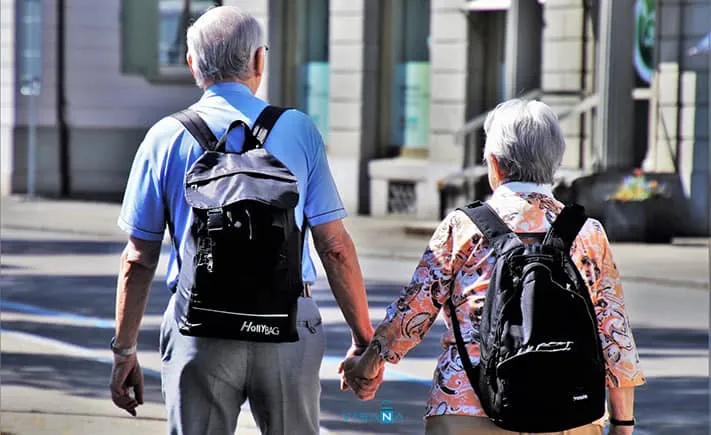

In relationships, especially in love and family, pampering is often seen as a way to express deep care. It is when we are willing to give more, accepting disadvantages so that the other person can be happy and fulfilled. But the boundary between love and pampering is extremely fragile. If misplaced, pampering may not create happiness, but on the contrary, it nurtures ingratitude.
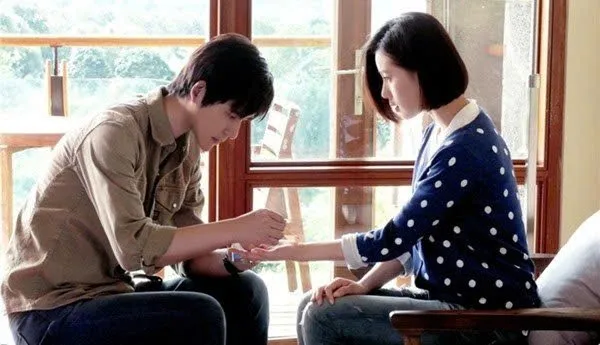
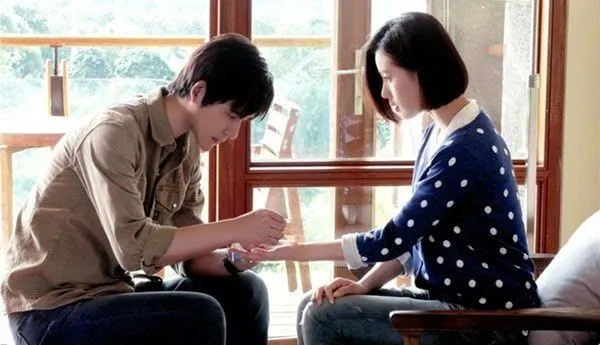
On the positive side, pampering is an expression of delicacy and understanding. It is when you know what the other person needs, what they like, and are willing to fulfill it within your ability. A proper amount of pampering can make the other person feel their own worth, thereby appreciating the affection you have for them. When loved sincerely, many people will respond with gratitude and mutual care. At this point, pampering is no longer a one-sided sacrifice, but becomes a catalyst that helps the relationship become closer and more enduring.
The problems arise when pampering exceeds its limits. When you always meet every demand, overlook every mistake, and set no principles whatsoever, you unintentionally make the other person accustomed to "receiving" without needing to "return". Care is gradually taken for granted, no longer holding any special value. From then on, gratitude also fades. An overindulged person can become selfish, demand more, and even view your sacrifices as an obligation.
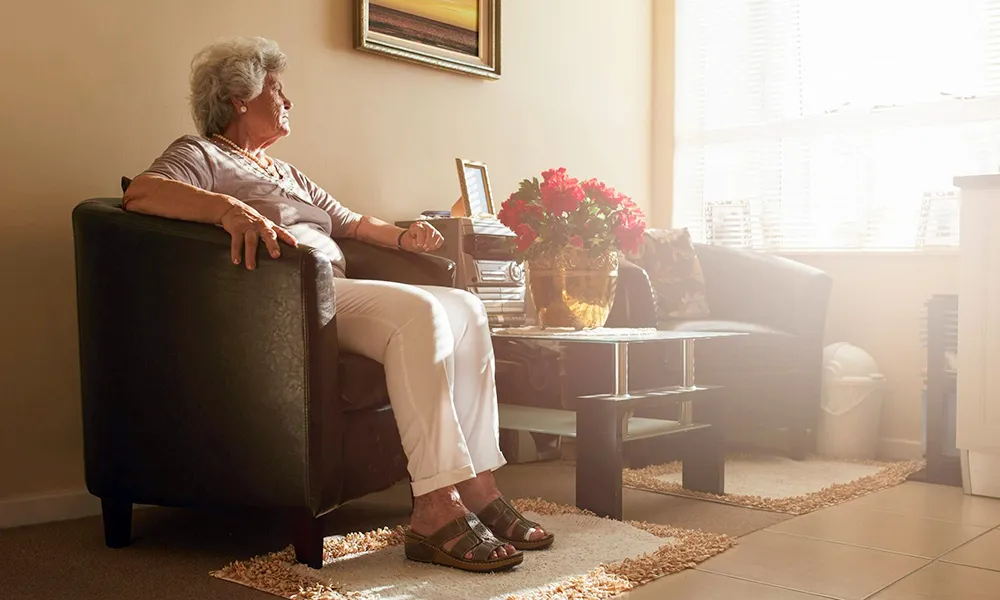
Negative pampering not only ruins the receiver but also hurts the giver themselves. When affection is not cherished, you easily fall into a sense of disappointment, exhaustion, and imbalance. Worse still, you can be taken advantage of - when the other person only stays for what you bring, not for who you are. At this point, pampering is no longer love, but becomes a vicious cycle of giving and disappointment.
The important thing is not to stop pampering, but to learn how to pamper the right way. Love must be accompanied by boundaries. Giving must go hand in hand with alertness. Learn to set principles for yourself, know how to say "no" when necessary, and observe how the other person reacts to your care. A deserving person will know how to appreciate it, while an ungrateful person will only demand more and more.
Ultimately, the value of affection does not lie in how much you give, but in how the other person receives it. Pampering the right person is happiness. But pampering the wrong person, sometimes, is the fastest way to turn love into pain.