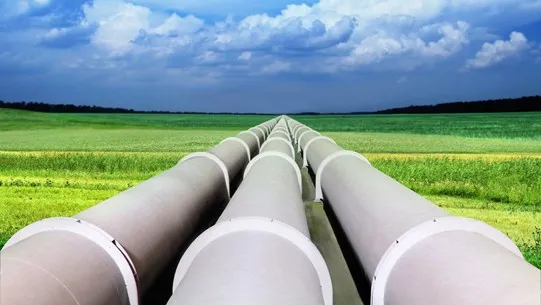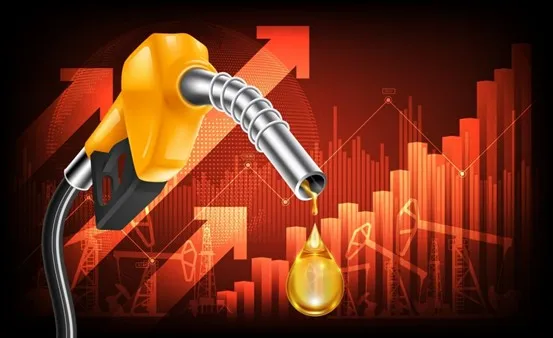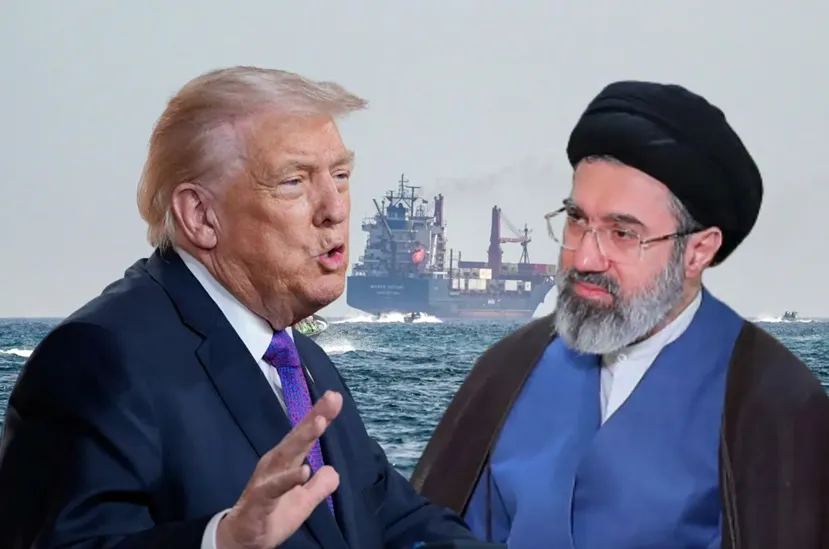

Global energy history is witnessing a rare and volatile paradoxical phenomenon: for the first time, the oil market is facing a state where ceasefires have been declared at the negotiating table, yet attacks targeting core energy infrastructure relentlessly continue in reality. The contradictory intertwining of diplomatic efforts and on-the-ground acts of sabotage has pushed the black gold market into an unprecedented trough of uncertainty.
Investors and policymakers can no longer devise strategies based on traditional forecasting models, as the boundary between peace and conflict has now become frighteningly blurred.
The current geopolitical picture is exposing a tangled mess of intersecting calculations. On one hand, efforts to de-escalate tensions have made superficial progress, typically with the US and Iran reaching temporary agreements, sowing a fragile ray of hope for stability in the Middle East. However, in another development, the furnace of conflict still smolders and threatens to spread as Israel resolutely continues its independent military campaign in Lebanon.
More worryingly, the tranquility in the Gulf region is continuously torn apart by drone and missile raids, directly targeting critical oil extraction and refining facilities. This reality demonstrates that political agreements seem powerless in protecting the world's energy lifelines.
The opposing fluctuations on the political chessboard have immediately created contradictory shockwaves on oil prices, forming two opposing pulling forces that completely manipulate the market. At the first extreme, the temporary "sigh of relief" sentiment among investors towards ceasefire signals has created a distinct downward pressure on prices. As soon as diplomatic agreements are announced, the market immediately clings to an optimistic scenario, where the supply chain is unblocked and production output will quickly recover. This belief, although fragile, is still strong enough to create downward price corrections, reflecting the market's desperate desire to escape the shadow of energy scarcity.
However, the second pulling force immediately appears and struggles fiercely, continuously pushing oil prices soaring based on undeniable present risks. Despite the handshakes in the assembly halls, the reality on the ground remains a minefield waiting to detonate. Strategic maritime shipping routes, the chokepoints of the global oil trade network, remain submerged in a state of high risk, forcing shipping companies to bear enormous insurance costs or accept taking costly detours.
Furthermore, the risk of war re-erupting at any moment from tinderboxes like Lebanon or Gulf tensions always hangs in the balance, forcing the market to continuously add an expensive "risk premium" to every barrel of oil traded.
It is the fierce tug-of-war between these two streams of expectation and fear that has given birth to an entirely new concept: the "Bipolar oil market." This is not merely a pure economic phenomenon but also a complex psychological state of global capital flows. Like an entity with a split personality, the current oil market both joyfully reacts and prices in the promises of a patched-up peace, while remaining highly vigilant, continuously pricing in the devastating risks of a potentially escalating war. This schizophrenic state turns the oil price chart into erratic heartbeats, jerking along with every instant news feed rather than adhering to long-term economic cycles.
The current fluctuations have affirmed a naked truth: today's oil prices have completely broken away from the operational orbit of conventional economic laws.
The flashing numbers on the electronic boards are no longer an honest measure of the core energy supply-demand equation. Instead, they have transformed into the truest and sharpest reflecting mirror of the unstable psychology, absolute bewilderment, and profound fractures of global geopolitics in a volatile phase of reshaping.