
The world is standing on the brink of an unprecedented shock, forcing the International Energy Agency (IEA) to issue a warning and label the current fluctuations as the largest energy supply disruption in modern history. The term "crisis" seems to lack the weight to fully describe the scale and intensity of what is unfolding, as the global energy picture is being torn apart by fiercely unprecedented fractures.
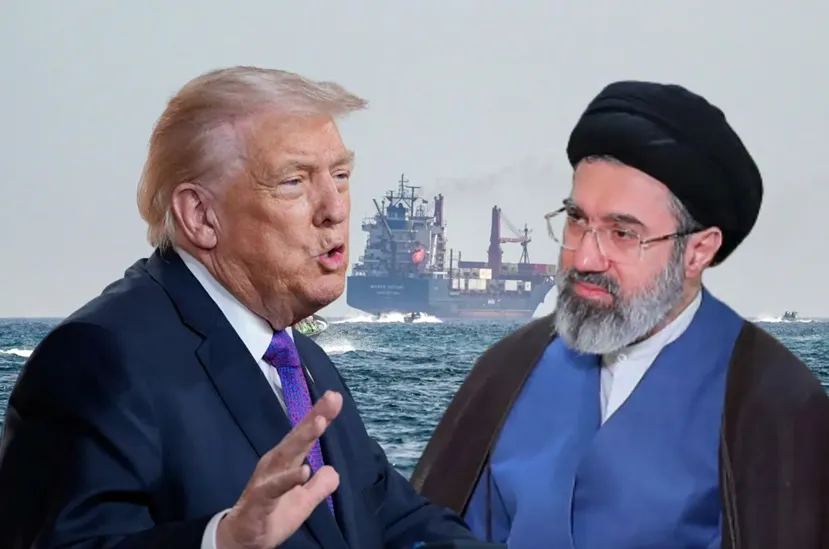
The brutality of this disaster stems from a "perfect storm," a simultaneous convergence of four destructive factors. First, the world has to witness the escalation of a direct war drawing in military powers, with the axis of conflict revolving around the US, Israel, and Iran, turning the Middle East region into a blazing cauldron. Along with that, a series of vital maritime transport routes are strictly blockaded, suffocating the circulation of the global economic lifeblood. Next, targeted attacks using modern weapons aimed directly at energy infrastructure have eliminated core production and refining capacities. Finally, all these factors have resonated and ignited a comprehensive disruption, completely breaking the logistics supply chain from the extraction site to the end consumer.
To clearly see the severity of the 2026 shock, we need to weigh it against the darkest milestones of the past. If the 1973 crisis primarily originated from a political decision when exporting countries simultaneously cut production, and the 2008 shock was merely a consequence of exploding prices due to a surge in macroeconomic consumption demand, then the current picture takes on a completely different form. The 2026 crisis is a grim combination of physical disruption on a massive scale and the actual destructive power of war. This renders all economic regulatory tools or the release of strategic reserves by major powers ineffective against the risks of falling bombs and bullets on the ground.
The consequences of this fracture do not just linger around the Gulf oil wells but have quickly created shockwaves sweeping across all continents. The most immediate and agonizing impact is the fiercely erupting flame of inflation, incinerating economic achievements and severely eroding the purchasing power of billions of people. The risk of a deep and prolonged economic recession is no longer a paper scenario but has become a visible specter, threatening to collapse growth engines. At the same time, international financial markets fall into a state of extreme instability; investors' confidence crumbles, causing capital flows to flee in panic, creating violent turbulence across all global trading floors.
Faced with this interweaving, dead-end context, observers and policymakers are forced to reframe the problem and acknowledge the emergence of a new concept: this is the "first multi-layered energy crisis in history." It is not simply a problem of supply shortages in barrels of oil or cubic meters of gas, but an overlap of geopolitical crisis, logistics crisis, military risks, and the collapse of confidence in financial markets. Each layer of risk does not exist independently but continuously intertwines and amplifies one another, creating an unprecedented loop of deadlock.
The Middle East war of 2026 has permanently erased naive preconceptions about a localized regional conflict. The explosions shaking the energy infrastructure have turned into lethal blows to the chokepoint of the global trade network. This is no longer a mere armed confrontation but has transformed into a brutally structural shock, fracturing things down to their roots and forcing humanity to face the collapse of the entire contemporary global economic system.