
In the contemporary geopolitical context, a ceasefire at the negotiating table no longer equates to true peace on the ground, especially regarding global energy security. The world is witnessing a cruel paradox where ceasefire agreements have just been signed, yet smoke and fire continue to rise from the black gold fields. This disruption proves that, for the volatile Middle East region, the cessation of firing upon military targets by the involved parties does not come with a commitment to protect core economic lifelines.
This fierce reality is clearly demonstrated by the series of devastating escalatory events that have taken place in just a short recent period.
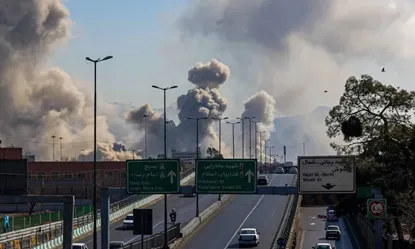
The most prominent example is the shocking attack targeting the Lavan oil refinery in early April 2026, completely ignoring prior declarations of de-escalating tensions. Not stopping there, the skies over the Gulf region are constantly torn apart by fleets of suicide drones laden with explosives, precisely targeting Saudi Arabia's strategic oil pipeline network and critical energy storage facilities in Kuwait. The debris from these raids not only destroys massive industrial machines but also shreds the international community's fragile belief in a comprehensive peace agreement.
The persistence of attacks on energy infrastructure is not at all spontaneous actions, but the result of a deep and sinister strategic calculation. The first and most direct objective is to eliminate the opponent's economic vitality, striking right at the massive foreign currency revenue from oil exports to deplete their capacity to maintain governance. Furthermore, the billowing black smoke columns from oil refineries also serve as a ruthless tool to exert maximum pressure at the negotiating table, forcing the adversary to make deep political concessions in exchange for the safety of national assets. Simultaneously, this is also a sophisticated method for factions to maintain a permanent military deterrence, sending a cold message that they still hold the capability to inflict destruction at any time, even when arms embargoes or ceasefire agreements are in effect.
This series of deliberate sabotage actions immediately triggered a chain reaction that devastated the operational structure of the energy market. The already precarious global supply has fallen even further into a fractured and unpredictable state, pushing prices into extreme, bipolar volatility cycles. Maritime shipping corporations and oil trading enterprises must bear war risk insurance costs that have soared to absurd levels, eroding profits and increasing the burden on end consumers.
More concerningly, the dark shadow of insecurity has completely paralyzed long-term investment flows. Multinational energy corporations are forced to freeze new exploration and extraction mega-projects, because no business plan can withstand the risk of multi-billion-dollar infrastructure being leveled overnight by a sudden airstrike.
From the ashes of petrochemical facilities, geopolitical analysts are having to face and name an entirely new form of conflict: "low-intensity but high-impact warfare." Unlike total wars that consume millions of soldiers and mountains of ammunition, this asymmetrical warfare method only requires the use of fleets of cheap drones or small armed groups, yet it is powerful enough to deal lethal blows to the economic chokepoint of the world. The attackers do not need to occupy territory or achieve resounding victories on the battlefield; they only need to maintain a frequency of sabotage just enough to make their regional opponents bleed economically and keep the entire international financial system in a constant state of red alert.
Looking back at this gloomy panorama, we are forced to accept a grim reality of the new era. The concept of peace has been distortedly redefined, where the handshakes of diplomats cannot become missile shields for oil rigs operating day and night. As long as the flow of energy remains the ultimate weapon to determine power, even the most ideal peace on paper can never guarantee absolute safety for the energy market, leaving the world forever struggling in the endless vortex of oil thirst and looming fear.