
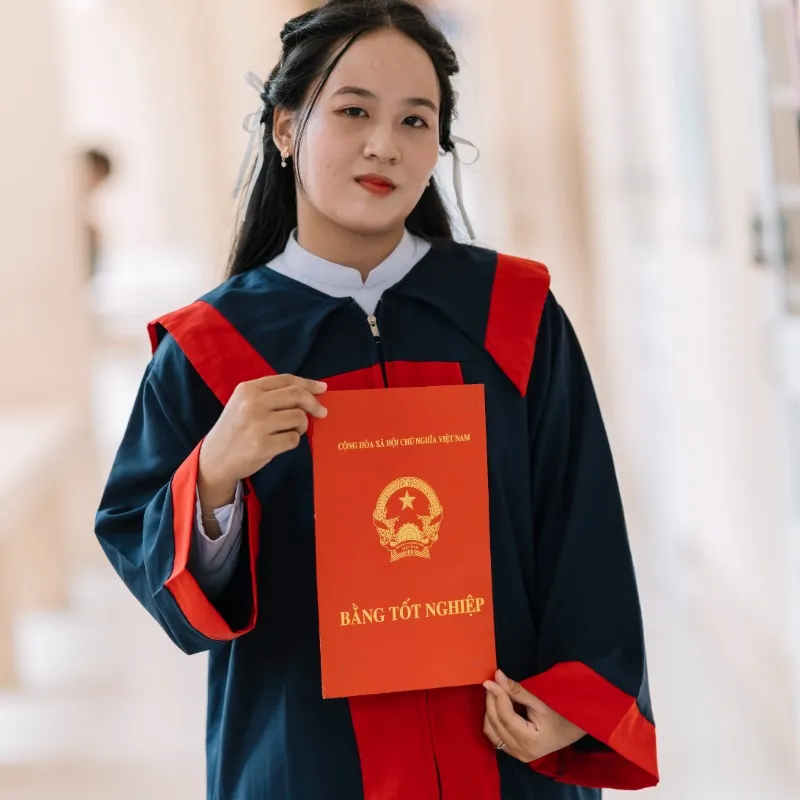
University scholarships are never rewards handed out randomly. They are the result of an extremely rigorous quantitative and qualitative evaluation process aimed at identifying individuals capable of creating breakthrough value.
Whether it is an academic merit scholarship at a Vietnamese university or a highly competitive full scholarship funded by governments and international corporations, admissions committees always operate based on a multidimensional set of criteria to evaluate applicants.
Rather than looking at a single aspect, universities review applications through a holistic lens. This means that a perfect score alone does not necessarily guarantee you a scholarship if your application lacks a distinct personal identity. Conversely, an applicant with relatively average scores can still make a remarkable comeback thanks to an inspiring story and sharp systems thinking.
To help high school and university students gain a deeper understanding and build a structured application preparation roadmap, university scholarship evaluation criteria are generally divided into the following core groups:
Academic background and standardized tests
For internal scholarship programs at Vietnamese universities, regulations governing academic merit scholarships under government decrees generally require students to achieve a minimum GPA at the Good or Very Good level, typically from 2.5/4.0 or 3.2/4.0 and above, depending on whether the scholarship is classified as A, B, or C, and students are not allowed to receive an F in any course during the evaluation period. On the international scale, to attract the attention of top universities around the world, applicants are generally expected to maintain excellent high school or university transcripts, ranging from 8.0 to 9.0/10, equivalent to 3.5 to 4.0 on a 4.0 scale. Admissions committees do not simply look at the overall number. They analyze grade trends over the years and the level of difficulty of the courses you have chosen to assess the strength of your academic foundation.

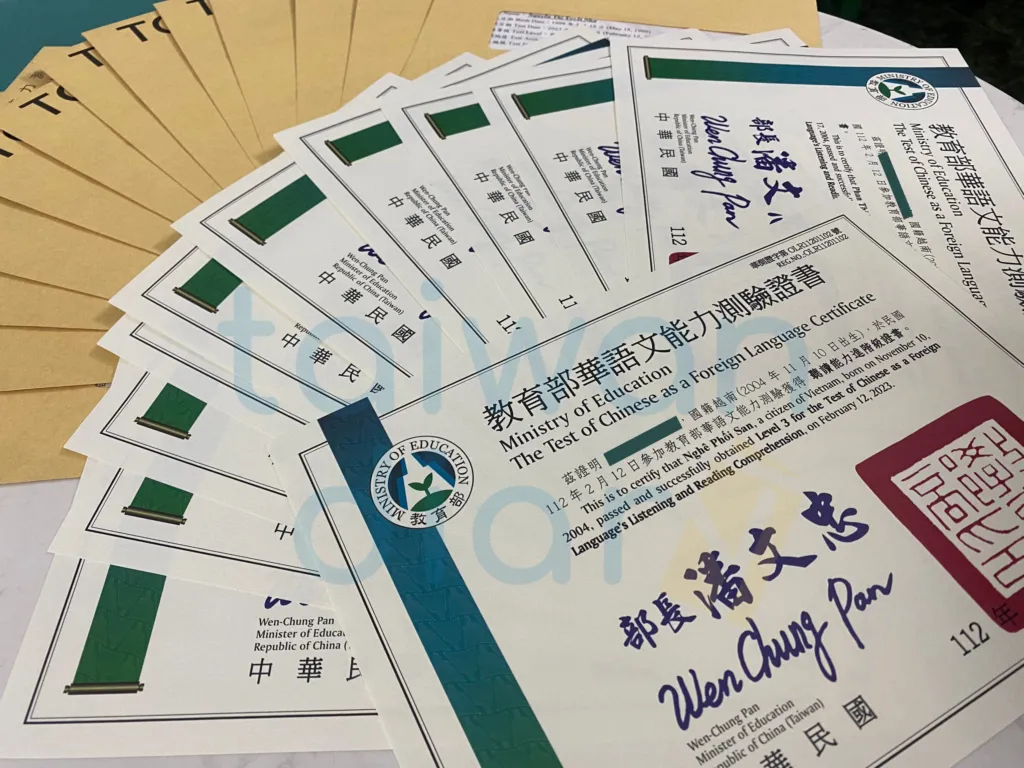
Alongside GPA, international language certificates and standardized reasoning tests are essential for demonstrating the ability to integrate into an international academic environment. The common minimum requirement for study abroad programs or international joint programs is often an IELTS score of at least 6.5 or an equivalent TOEFL score. For prestigious, high-value scholarships or scholarships offered by U.S. universities, applicants with impressive scores on international standardized tests such as the SAT or ACT at the undergraduate level, or the GRE or GMAT at the graduate level, will hold a significant competitive advantage. These tests provide a standardized measure of applicants' logical reasoning, quantitative analytical skills, and language abilities worldwide, regardless of the educational system they come from.
Extracurricular activities and leadership skills
Many applicants make the mistake of trying to "beautify" their applications by listing numerous events and clubs in which they only participated as passive members. Modern university admissions committees value depth over breadth. They look for applicants who demonstrate long-term commitment and consistent passion for a particular field, such as scientific research, volunteer activities, environmental protection, or the arts. You need to demonstrate a shift in your role, from a passive participant to a coordinator and leader capable of guiding a team, resolving conflicts, and creating tangible positive impacts on the surrounding community.

Conduct and participation scores are also a mandatory criterion for domestic scholarship programs. University students in Vietnam who wish to receive academic merit scholarships not only need to perform well academically but also need to achieve an excellent conduct score, usually from 80 to 90 points or above. This criterion is assessed through compliance with university regulations, active participation in Youth Union and Student Association activities, volunteer movements such as Green Summer and Exam Season Support, or academic competitions at the university and national levels. The combination of academic ability and a spirit of contribution to the collective is clear evidence that an applicant is a well-rounded individual with a sense of social responsibility.
Personal essays and letters of recommendation

In addition to the essay, a letter of recommendation provides an objective, professional perspective on your potential. Recommendation letters are usually written by homeroom teachers, research supervisors, or direct supervisors at your workplace or internship. Admissions committees are not overly concerned with how prestigious the recommender's academic title or social position may be. Instead, they focus on how deeply that person understands the applicant. A valuable recommendation letter must provide evidence and specific examples of your academic ability, work ethic, critical thinking, and ability to overcome difficulties that you cannot demonstrate about yourself elsewhere in the application.
Ethical conduct and the interview

The final factor, but one that can be decisive in the final selection rounds, is ethical character and your performance during the direct interview. All efforts to build an outstanding academic profile can completely collapse if an applicant violates academic integrity regulations, such as plagiarism or exam cheating, or has previously been disciplined for misconduct during their studies. Universities consistently prioritize scholarships for individuals who maintain a healthy lifestyle and respect the law and the organization's humanistic values.
For high-value scholarships or government scholarships, the direct interview with the judging panel is the final barrier. At this stage, judges verify the authenticity of the information in the application while also evaluating the applicant's ability to respond, critical thinking, confidence, and communication skills under pressure. The purpose of the interview is to find the strongest alignment between your personal ideals and the strategic vision of the university or scholarship-granting organization.
Applicants who demonstrate positive energy, humility in learning, and an open mindset ready to embrace new challenges will always be the ones who ultimately succeed.