
The rapid development of technology has given the modern generation of singles a privilege never before seen in human history: the ability to access thousands of potential partners with just a few swipes on a screen. Popular dating apps such as Tinder, Bumble, and Hinge are designed with the promise of an unlimited space for connection, where the opportunity to find true love is always open.
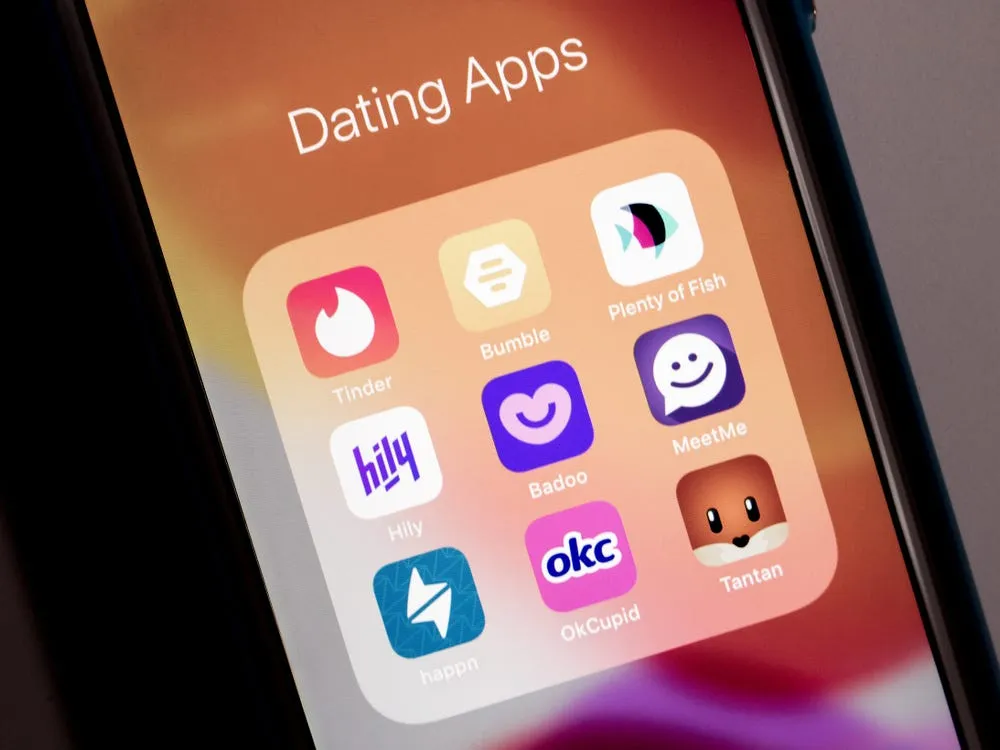
However, instead of feeling happier and finding it easier, users of dating social networks are increasingly falling into states of emotional exhaustion, loneliness, and confusion. Having an overly large "pool" of choices is not a solution, but rather the most subtle barrier that makes the search for a serious relationship reach a dead end.
The paradox of choice
When people face a few fixed options, they tend to evaluate them more deeply, make decisions more easily, and feel satisfied with those choices. Conversely, when the number of options increases to an almost unlimited level, like the supply of profiles on dating apps, users' brains can fall into a state of cognitive overload.
A study published on ResearchGate by scientists at Tilburg University pointed out that a phenomenon known as "rejection psychology" becomes particularly evident as a consequence of choice overload. Knowing that hundreds of other people are still waiting behind the current swipe, users unconsciously develop a defense mechanism by continuously looking for flaws in the other person in order to eliminate them. Recognizing this trap, some new-generation dating platforms are seeking to change the rules of the game. Instead of encouraging endless profile browsing, depth-focused apps such as OVDating are beginning to design more focused interaction flows, limiting the tendency for users to turn the search for love into a superficial digital sorting activity.
The illusion of an endless supply
Another dangerous psychological consequence created by dating algorithms is the shaping of a consumer mindset. The constant appearance of new faces creates a powerful subconscious illusion that users have an endless supply of potential partners. Even when conversations are relatively compatible, users are still driven to keep swiping because of the thought, "What if the next person is more attractive?"
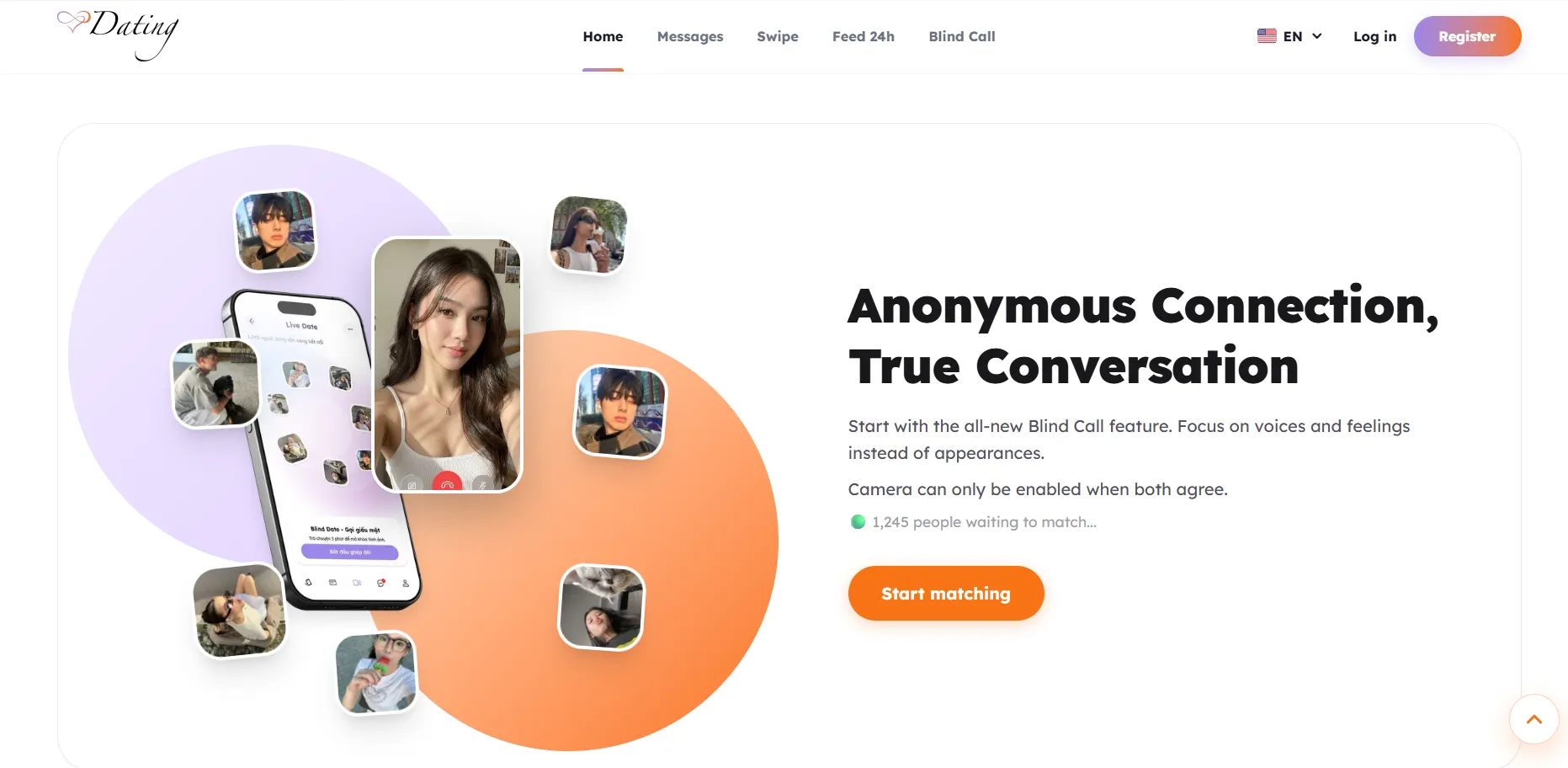
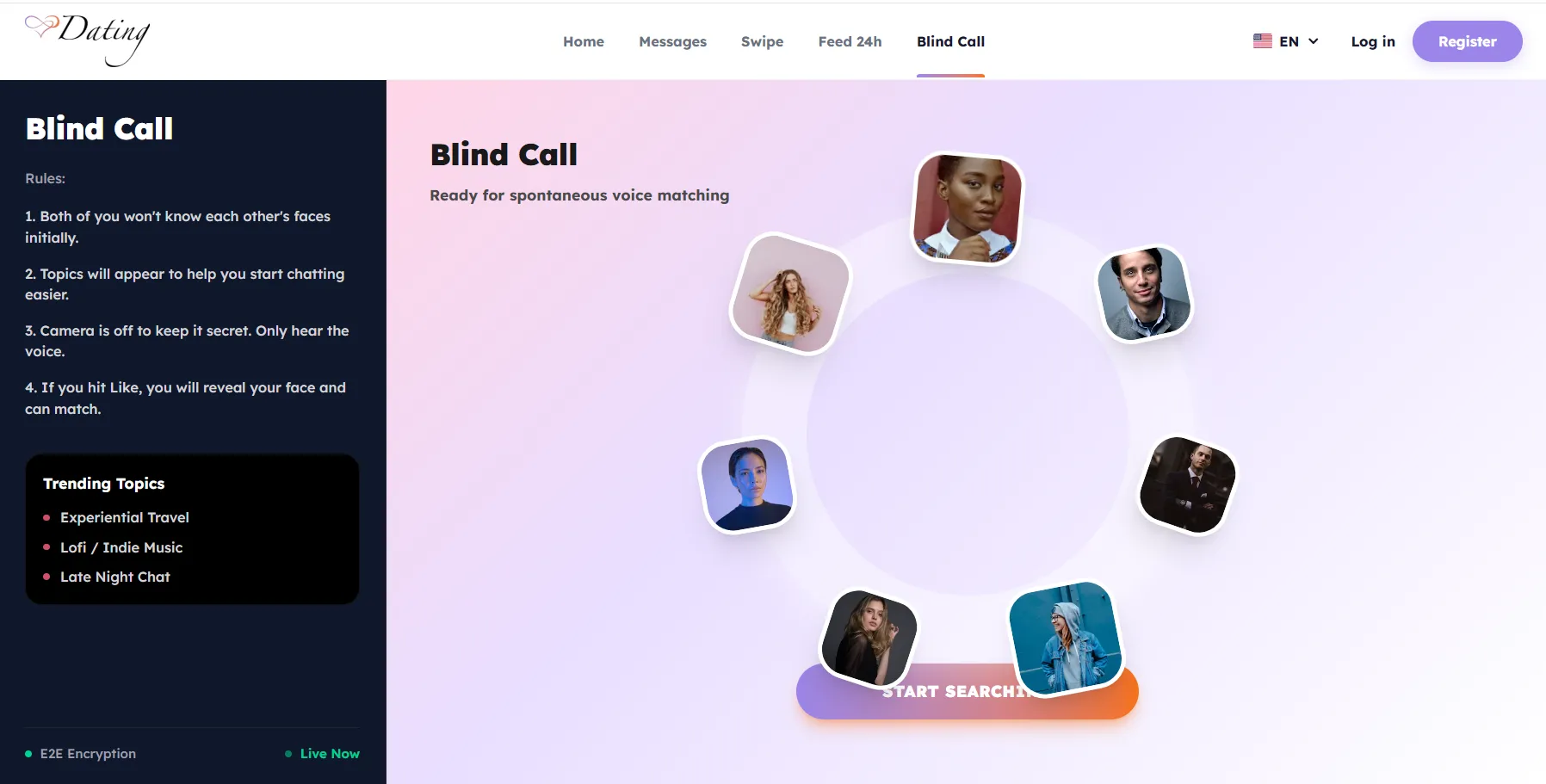
To break this unhealthy mindset, OVDating's Face-Hidden Call mechanism was created as an "antidote." By completely turning off the camera and concealing users' appearance at first, this feature forces two people to slow down, listen, and talk through trending topics. When they are no longer influenced by physical appearance or the illusion of a "more attractive face on the next swipe," users are encouraged to develop patience and feel the emotional resonance between two souls, helping restore the ability to commit and understand one another that has been eroded in the online space.
The decline in connection quality
As the number of "matches" increases, the quality of conversations becomes inversely proportional to it in an alarming way. Dividing one's energy among too many people leads to formulaic conversations. Research data from the Australian National University (ANU) reveals a reality: couples who meet online often experience lower levels of satisfaction due to the absence of contextual connections such as mutual circles of friends or similarities in real-life lifestyles.
Therefore, recreating the context of real life within the virtual space is becoming a key to addressing the problem.
For example, by integrating a 24-hour Feed feature, OVDating allows users not only to view a static profile but also to follow the other person's status updates and everyday stories. Seeing how someone enjoys their morning coffee or the type of music they share creates authentic context, effectively helping to "break the ice" and providing material for maintaining deeper conversations.
Retention algorithms and a shift toward core values
Finally, we cannot overlook the business nature of developers. Most traditional algorithms maximize profits by retaining users through intermittent dopamine rewards, such as new match notifications, rather than actually helping them find love. An analysis published by Vietcetera pointed out that if everyone quickly found a partner, the revenue of technology corporations would decline.
The abundance of choices on dating apps is essentially an artificial excess that complicates the natural instinct to love.
However, the emergence of platforms that go against the majority, such as OVDating, shows that the market is undergoing a process of self-correction and returning to original values.