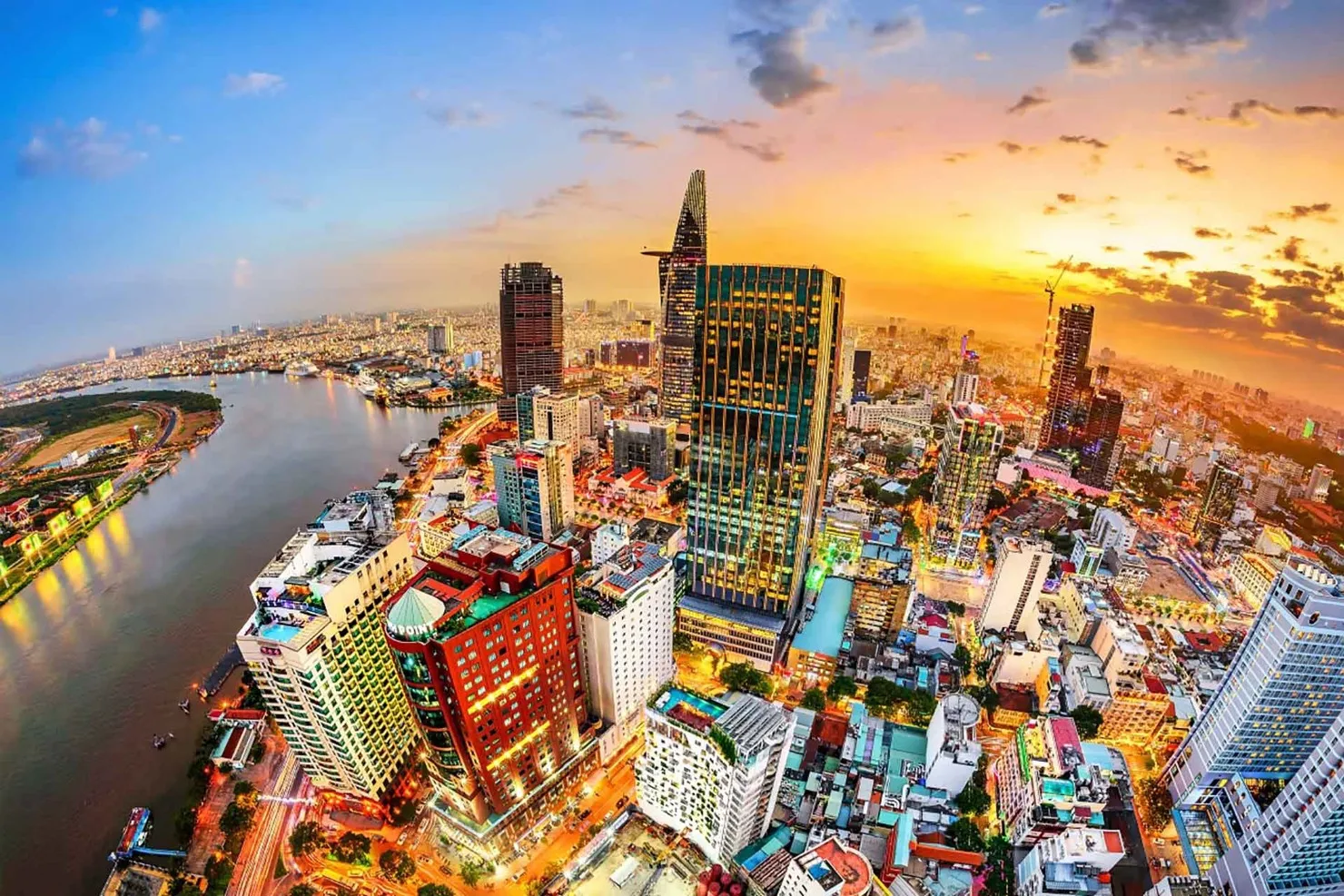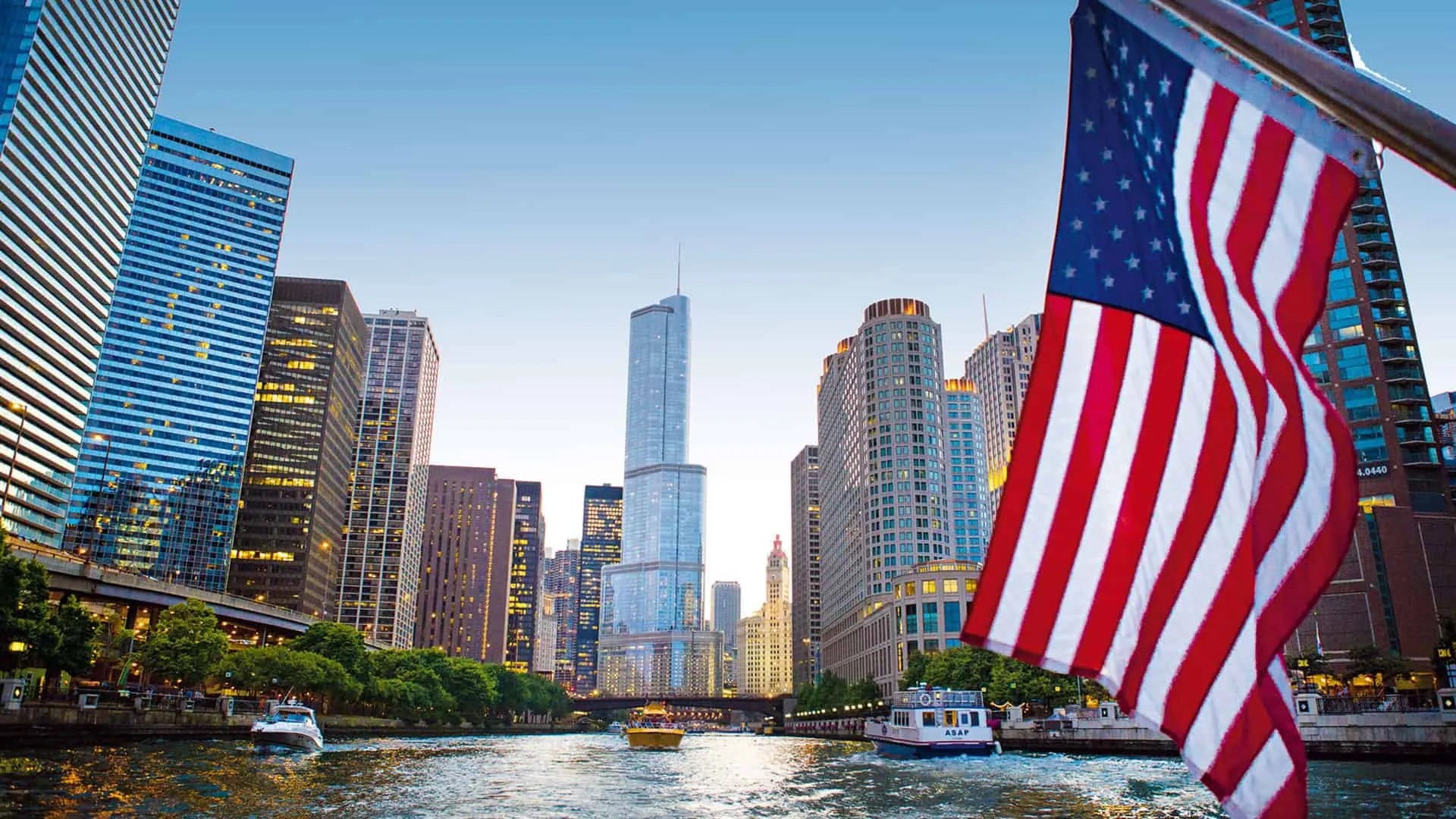

Many Vietnamese people tend to view the United States through the rose-colored lens of movies, income figures calculated in U.S. dollars and converted into billions of Vietnamese dong, or internationally recognized social benefits. They mistakenly believe that simply setting foot in the land of the stars and stripes will automatically make all the pressures of making a living disappear.
However, real-world reports from the labor market and the actual experiences of immigrant communities reveal a much more complicated reality. The United States is a land of opportunity, transparency, and legal fairness, but it is also an industrial society operating under extremely intense pressure to compete and eliminate those who cannot keep up. The United States may offer you a high salary, but it also requires you to pay the price of a disciplined lifestyle, the burden of taxes, and a hectic pace of life that can drain the energy of those who fail to adapt in time.
Inflation and the high cost of living
According to real-world data published by VnExpress, as many as 65% of U.S. consumers acknowledge that the increase in the prices of goods is outpacing the growth of their actual incomes. Rising inflation has forced local residents to tighten their spending as housing, energy, and everyday necessities have surged in price. The emergence of a wave of investment in artificial intelligence (AI) and data centers has also indirectly driven residential electricity prices in the United States upward at a rapid pace, creating an additional burden on households' monthly bills.

The fundamental difference between the two economies lies in this: In Vietnam, if your income decreases, you can still easily reduce your spending by eating at home, buying inexpensive food at traditional markets, or cutting back on entertainment services. In the United States, however, there are certain fixed "hard costs" that you absolutely cannot avoid. Rent or mortgage payments, health insurance, car insurance, property taxes, and various public service fees account for a huge proportion of income. A person earning as much as USD 175,000 per year in the United States can still completely decide to leave major states such as Florida simply because the cost of living has increased too much and the environment is no longer proportionate to the amount of money being spent.
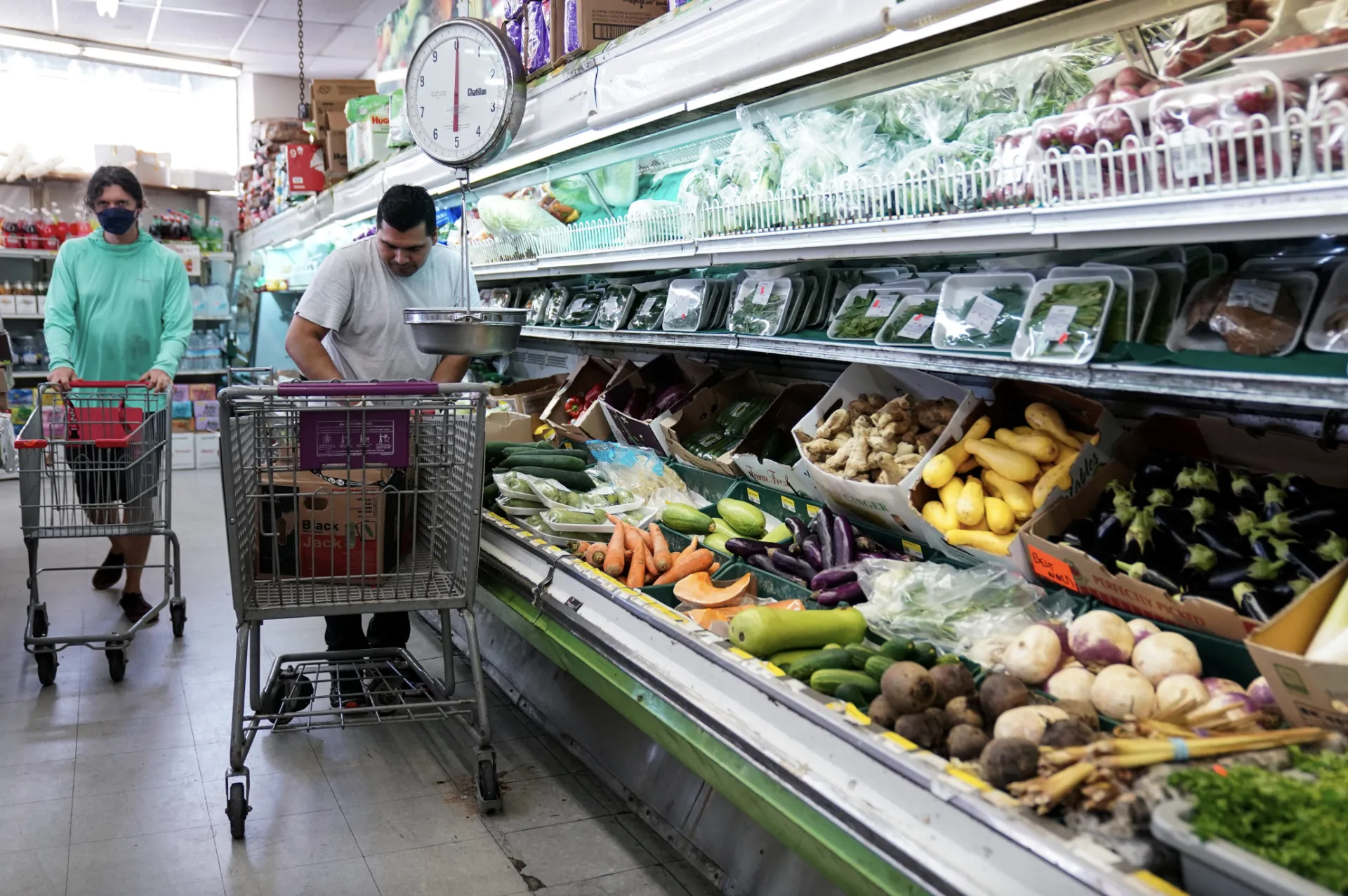
In the United States, if you stop working for just a few months, the system of recurring bills will immediately push you into a financial crisis or debt, a scenario that rarely occurs with such severity within Vietnam's highly supportive family structure.
The industrial grind
American society operates on individualism and maximum efficiency. Every relationship and work schedule is arranged precisely down to the minute. U.S. workers face high levels of burnout due to a work cycle that seems to have no end. You will not easily find afternoons spent lingering at sidewalk cafes after work, spontaneous gatherings with friends, or the kind of childcare support from neighbors and relatives that is readily available in Vietnam.
The absence of these natural community connections creates an extremely lonely psychological filter. Much of an adult's time in the United States is confined within the spaces of their home, their car on the highway, and their workplace. Many immigrants fall into psychological crises because they feel that they are being turned into a "money-making machine" to pay the bills rather than actually living. Relationships between people in the United States, although polite, civilized, and respectful of privacy, often lack the warm, casual, and flexible emotional bonds that are characteristic strengths of Vietnamese life and help relieve stress in everyday living.
The bright side of the United States: Fairness, transparency, and a long-term social safety net
However, if the United States consisted only of pressure and exhaustion, the global wave of migration would not have maintained such a strong appeal for so many decades.
Life in the United States becomes noticeably more "comfortable" than in Vietnam when considering fundamental long-term factors such as the living environment, legal transparency, and fair opportunities for the development of future generations.

In the United States, you can breathe clean air, use safe drinking water directly from the tap, and enjoy extremely high-quality transportation infrastructure and public parks that are completely free. Fairness in employment is also a solid foundation: if you work hard and comply with the law, American society always rewards you with compensation that is worthy of your efforts, enough to own a home, a car, and modern living amenities without having to rely on "connections" or backdoor mechanisms.
The education and social welfare systems are also core values that lead many parents to accept sacrificing their youth to move to the United States. Your children will study in an open-minded environment that respects individual differences and will receive completely free tuition at public schools from elementary school through the end of high school. When you reach retirement age, if you have accumulated sufficient years of employment and have legally paid taxes, the Social Security system and public health insurance will provide you with a safe foundation for retirement without becoming a burden on your children. These are macro-level values that a developing economy like Vietnam's is still in the process of improving and cannot yet provide comprehensively to all segments of the population.
The United States will be a "comfortable" paradise for individuals who value freedom, respect independence, believe in the rule of law, are willing to work extremely hard, and want their children to access a world-class education in a clean ecological environment. In contrast, Vietnam is a more peaceful and easier place to live for those who place great importance on family relationships, enjoy the close and warm pace of community life, want flexibility in small-scale businesses, and cannot tolerate the loneliness of a closed industrial lifestyle.