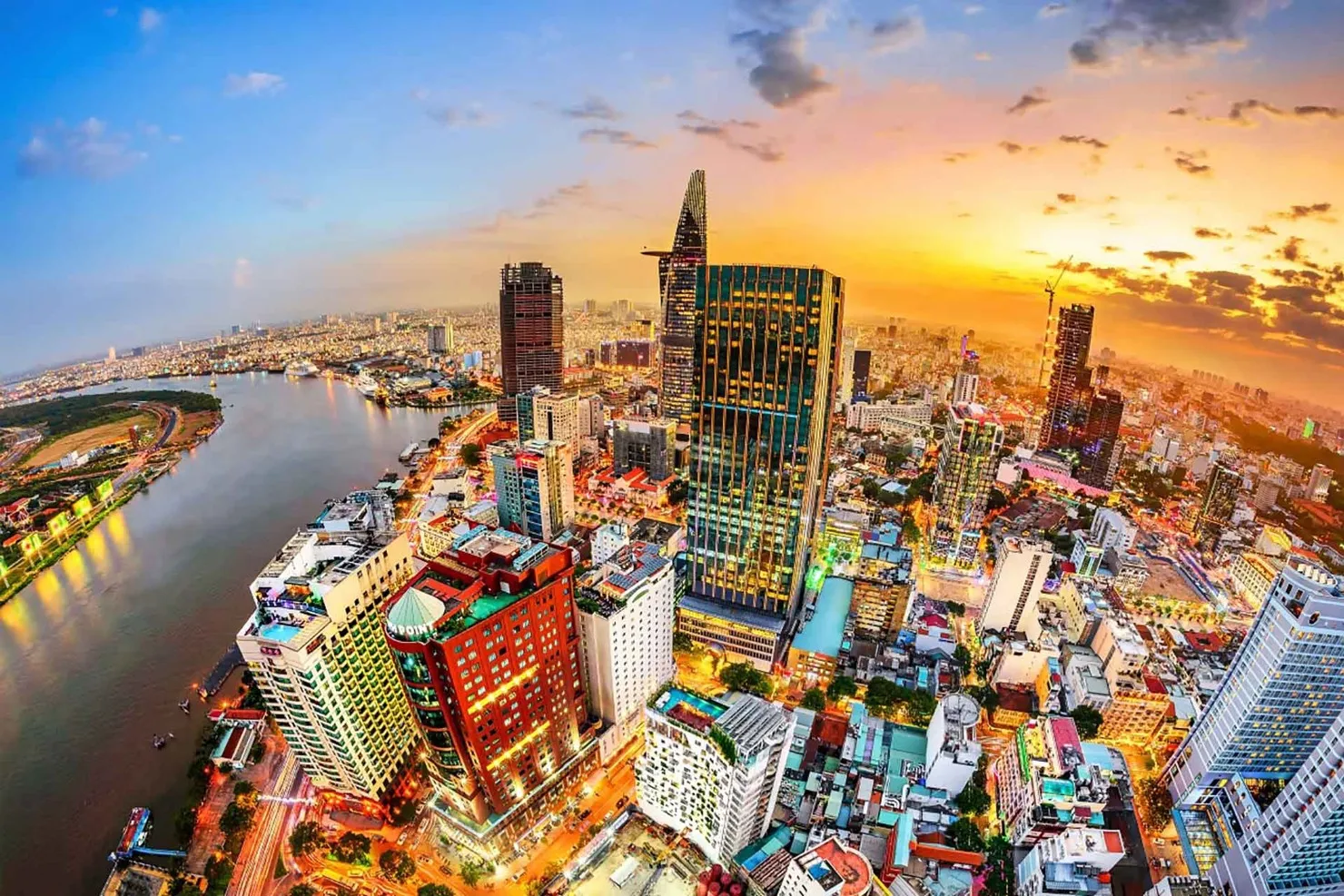

Vietnam is continuously recognized by international organizations as one of the countries with the lowest living costs and one of the most livable places in the world, but this definition is only truly accurate from the perspective of foreigners who earn income in foreign currencies.
According to the annual survey report published by InterNations, as many as 89% of foreigners living in Vietnam expressed complete satisfaction with the cost of living, while 87% stated that their income allowed them to enjoy a very comfortable life. Rankings from William Russell and global data from Numbeo also place Vietnam among the countries with particularly competitive costs for services, food, and accommodation.
However, from the perspective of the vast majority of domestic workers who earn their salaries in Vietnamese dong (VND), the concept of "low cost" immediately reveals profound contradictions. The general price level of goods in major cities is rising at an extremely rapid pace, creating heavy financial pressure that ordinary salaried workers face every day.
A perspective shaped by international income
From the perspective of a tourist or foreign professional from developed countries such as France, the United States, or Singapore, costs in Vietnam can seem unbelievably low. A street meal such as a traditional bowl of pho, a banh mi, or a plate of bun cha in Hanoi costs only around 1 to 3 euros, approximately VND 30,000 to 80,000, while fuel prices, public transportation fares, and ride-hailing services are also very low compared with European standards. This huge difference in purchasing power has turned major cities and coastal urban areas such as Da Nang into perfect "stops" for the digital nomad trend and foreign retirees.

With income earned in U.S. dollars or euros from remote work, they can easily rent high-end serviced apartments, experience healthcare services, dine at upscale restaurants, and travel continuously without worrying about running into a budget deficit.
The strength of exchange rates has inadvertently created an ideal economic cushion, allowing foreigners to spend only a small portion of their disposable income while accessing an upper-class quality of life in Vietnam.
The domestic reality
In contrast to the ease of international income flows, the lives of local workers in major economic centers involve an extremely challenging spending equation.
The Spatial Cost of Living Index (SCOLI) report from the National Statistics Office of Vietnam points out that Hanoi continues to be the locality with the highest cost of living in the country, followed closely by Quang Ninh, Hai Phong, and Ho Chi Minh City. In these urban areas, basic expenses such as rent, electricity and water services, fuel, transportation, and essential food are taking up an increasingly large share of people's total monthly income.
The unreasonable aspect lies in the fact that although the price of a cup of coffee or an inexpensive meal in Vietnam may appear cheap when converted into a foreign currency, when compared relative to the basic salary and average income of domestic workers, the ratio becomes surprisingly high. A worker or office employee earning an average salary of VND 7 million to 10 million per month may have to spend as much as 40% to 50% of their income simply paying fixed monthly expenses, including rent and basic food.
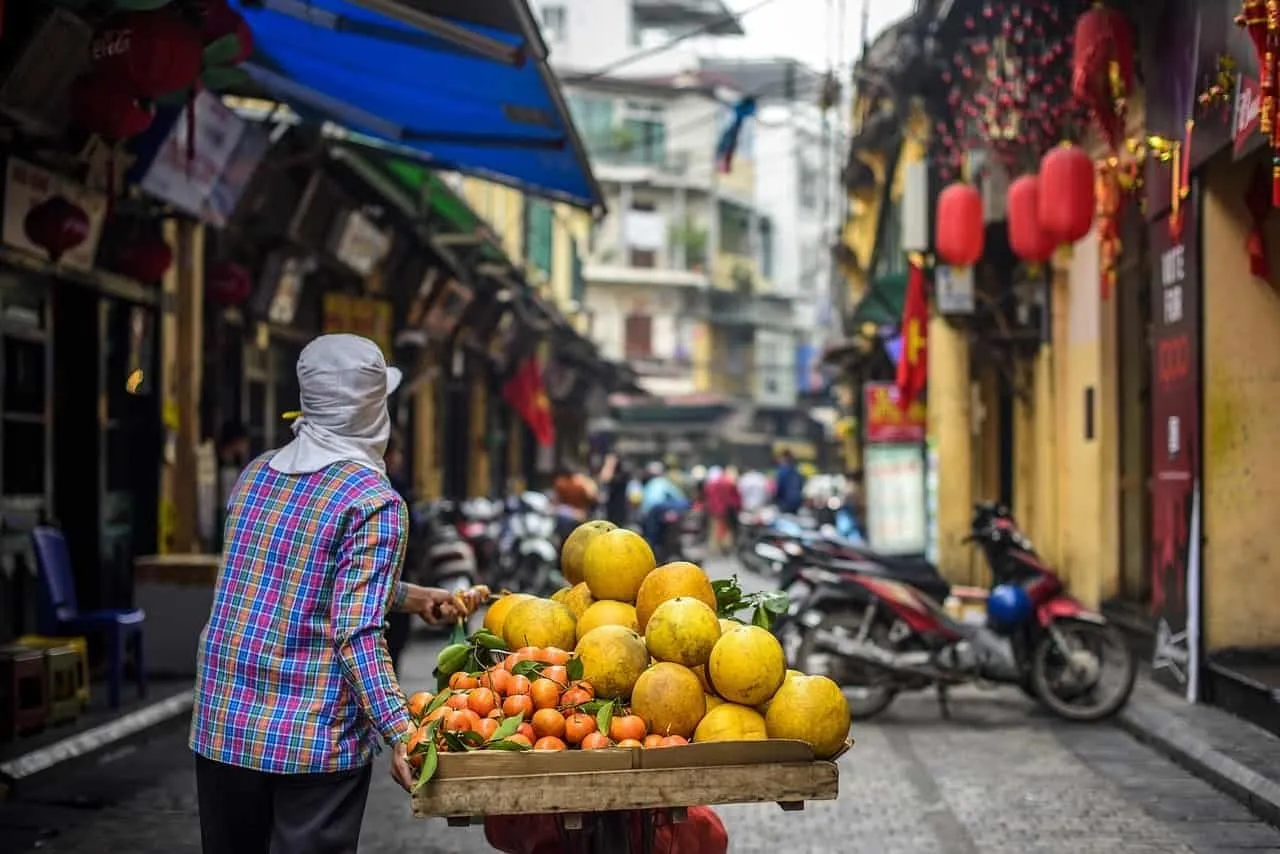
When faced with rising prices for education and healthcare services, as well as food prices at markets and supermarkets, young people's savings for the future are almost wiped out, turning everyday life into a difficult cycle of survival rather than the "easy" or "cheap" existence described by international rankings.
The fragmentation of living spaces and the invisible cost trap
While major economic centers maintain extremely high price levels due to rapid urbanization and strong consumer demand, provinces in the Mekong Delta, particularly Vinh Long, have the most affordable living costs in the country thanks to abundant local supplies of food and agricultural products. This disparity is driving a trend in which many young people choose to leave major cities and return to satellite provinces and cities to reduce the economic pressure of survival.
However, another major barrier that Vietnamese people have to bear themselves is the "invisible costs" of quality living. In developed countries, public education systems and universal healthcare services are often provided free of charge or heavily subsidized by governments through tax revenues.

In Vietnam, by contrast, for children to access a quality educational environment and reduce academic pressure, or for family members to receive healthcare quickly and attentively, families have to spend enormous amounts of money on private schools, extensive monthly tutoring, and expensive voluntary healthcare services. These expenses are not fully reflected in the baskets of goods used to calculate international CPI indexes, but they are real financial burdens that directly erode purchasing power and reduce the quality of life of middle-class households.