Against the backdrop of Vietnam’s economy maintaining steady growth and strengthening its position as a new technology manufacturing hub in Southeast Asia, the domestic real estate market is witnessing a profound shift in demand from foreign buyers.
No longer limited to experts living in Vietnam for short periods, the growing pool of highly skilled professionals, institutional investors, and individual foreign investors now sees Vietnam as a safe destination for capital and an ideal place for long-term living.
Home-buying trends
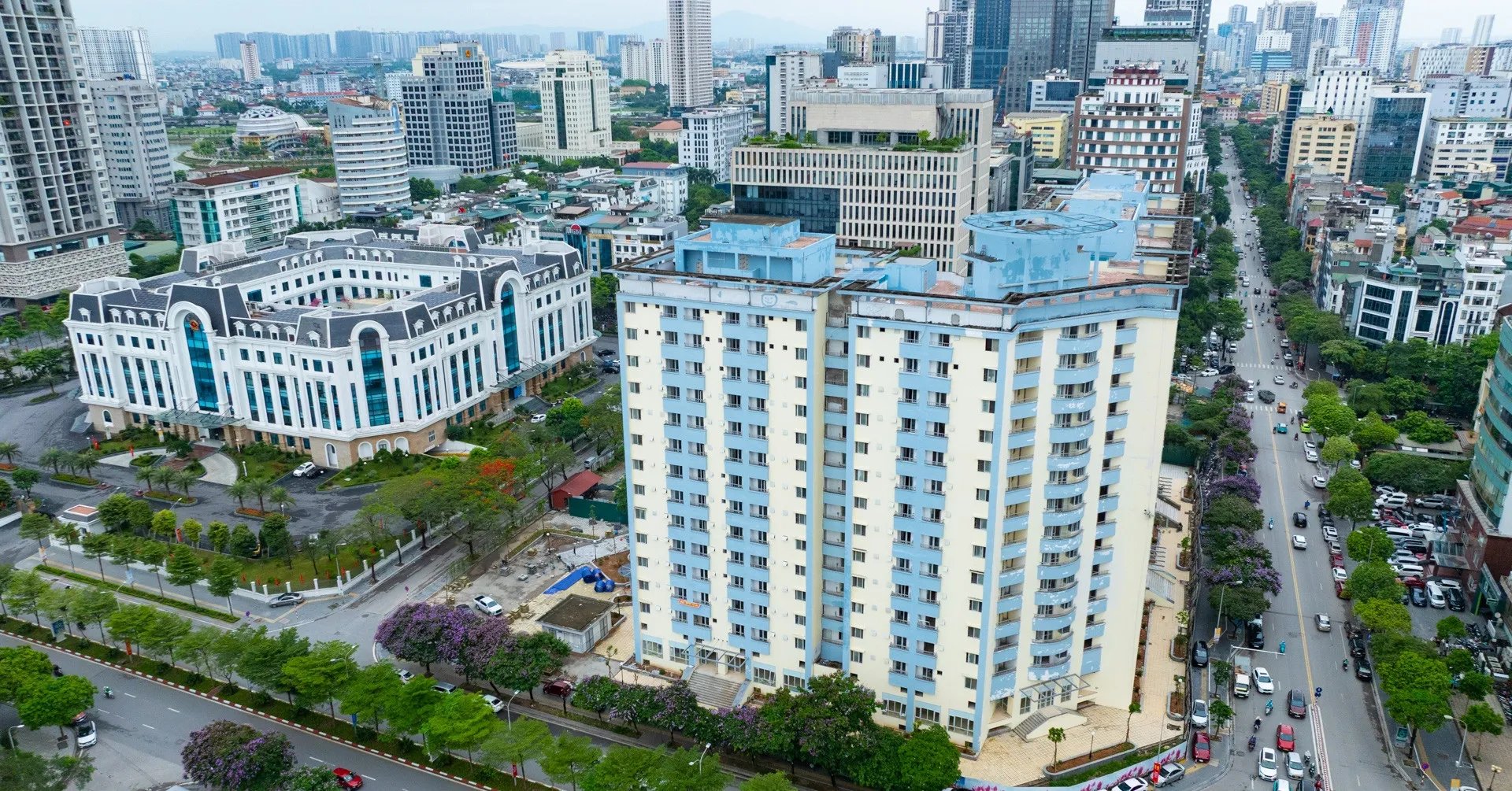
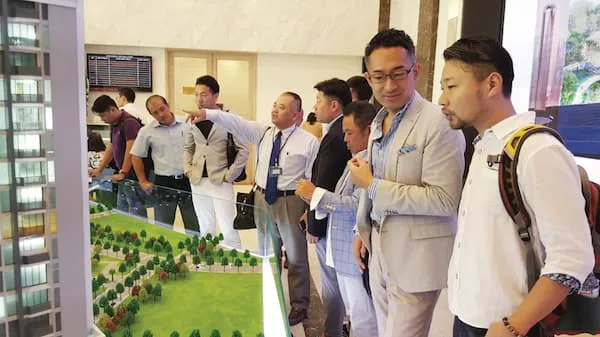
Foreigners’ housing search and ownership habits in Vietnam have one major characteristic: their strong reliance on high-rise apartment properties. Data compiled from reports by the Ministry of Construction shows a clear trend, with 90% of commercial real estate transactions by foreign individuals concentrated in apartment buildings. The largest markets remain the two economic hubs of Hanoi and Ho Chi Minh City, where high-tech industrial parks and multinational corporations’ office networks are concentrated. In terms of demographics, buyers from Asian countries such as South Korea, China, Japan, and Taiwan account for an overwhelming 70% of the purchasing market, primarily among those in the prime working age of 35 to 45.

Two core factors are driving foreign capital into Vietnam’s real estate market: attractive potential for price appreciation and rental yields that outperform those of developed markets in the region. As luxury apartment prices in Singapore, Hong Kong, and Seoul have reached increasingly expensive levels, high-end projects in Thu Duc City in Ho Chi Minh City or Nam Tu Liem District in Hanoi, with more reasonable price ranges, have become attractive opportunities for international investors.
From a legal perspective, foreigners who legally enter Vietnam are permitted to own residential property for a maximum period of 50 years, with the right to apply for one extension under the provisions of the Housing Law. However, the market is undergoing a policy-oriented tightening process, as the latest draft amendments proposed by the Ministry of Construction seek to remove the right of foreign individuals and organizations to own landed residential properties, including villas and townhouses, while retaining the right to own apartments subject to a cap of no more than 30% of the units in a building, in order to safeguard national security and defense and prevent land speculation.
Home-rental trends

For foreigners who choose to rent rather than buy, particularly foreign experts and senior personnel working for FDI-funded corporations, residential communities with a high degree of separation are emerging, often referred to as “cultural enclaves.” In Ho Chi Minh City, while the Korean community tends to concentrate heavily in Phu My Hung Urban Area in District 7 or Thao Dien in Thu Duc City thanks to the availability of international schools, restaurants, and hospitals catering to their language needs, in Hanoi, areas around West Lake and large smart urban developments in the western part of the city are preferred by Japanese and Western communities.
Foreign tenants’ expectations for rental spaces have also risen significantly in recent years. They are no longer as interested in standalone townhouses tucked away in small alleys with limited security and parking space. Instead, rental demand is shifting toward high-end serviced apartments and smart apartment complexes offering a comprehensive ecosystem of on-site amenities. A standard living space for foreigners is expected to meet demanding criteria, including professional property management to international standards, 24/7 multilayer security, abundant green space, and premium amenities such as modern gyms, year-round swimming pools, and safe play areas for children. In particular, the trend toward green and sustainable living is also influencing the behavior of foreign tenants, who increasingly prioritize buildings with energy-efficiency certifications and environmentally friendly features.
Practical barriers and future expectations
Although demand for property ownership and rentals among foreigners in Vietnam is enormous, with potential demand estimated at millions of people, including the overseas Vietnamese community, there remains a significant gap between the number of foreigners seeking housing and those who successfully gain access to available real estate.
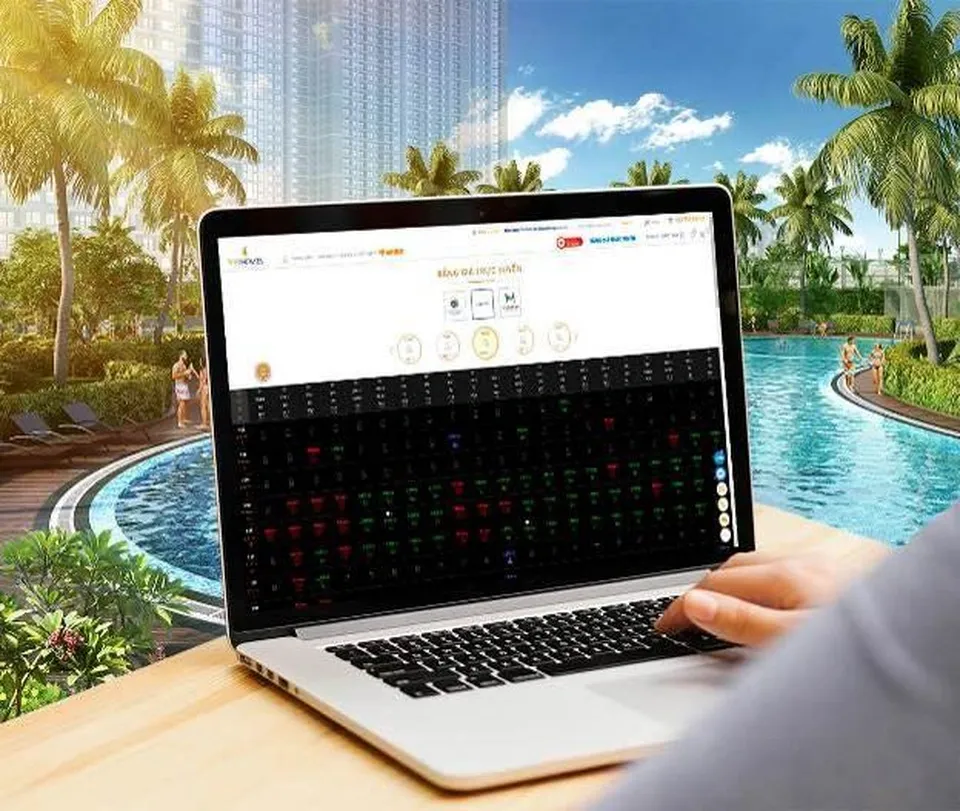
The main obstacles stem from administrative barriers, such as procedures for proving the source of funds, prolonged processes for issuing ownership certificates to foreigners in some projects, and the lack of a widely available, standardized list of commercial housing projects that foreigners are permitted to own across different localities.