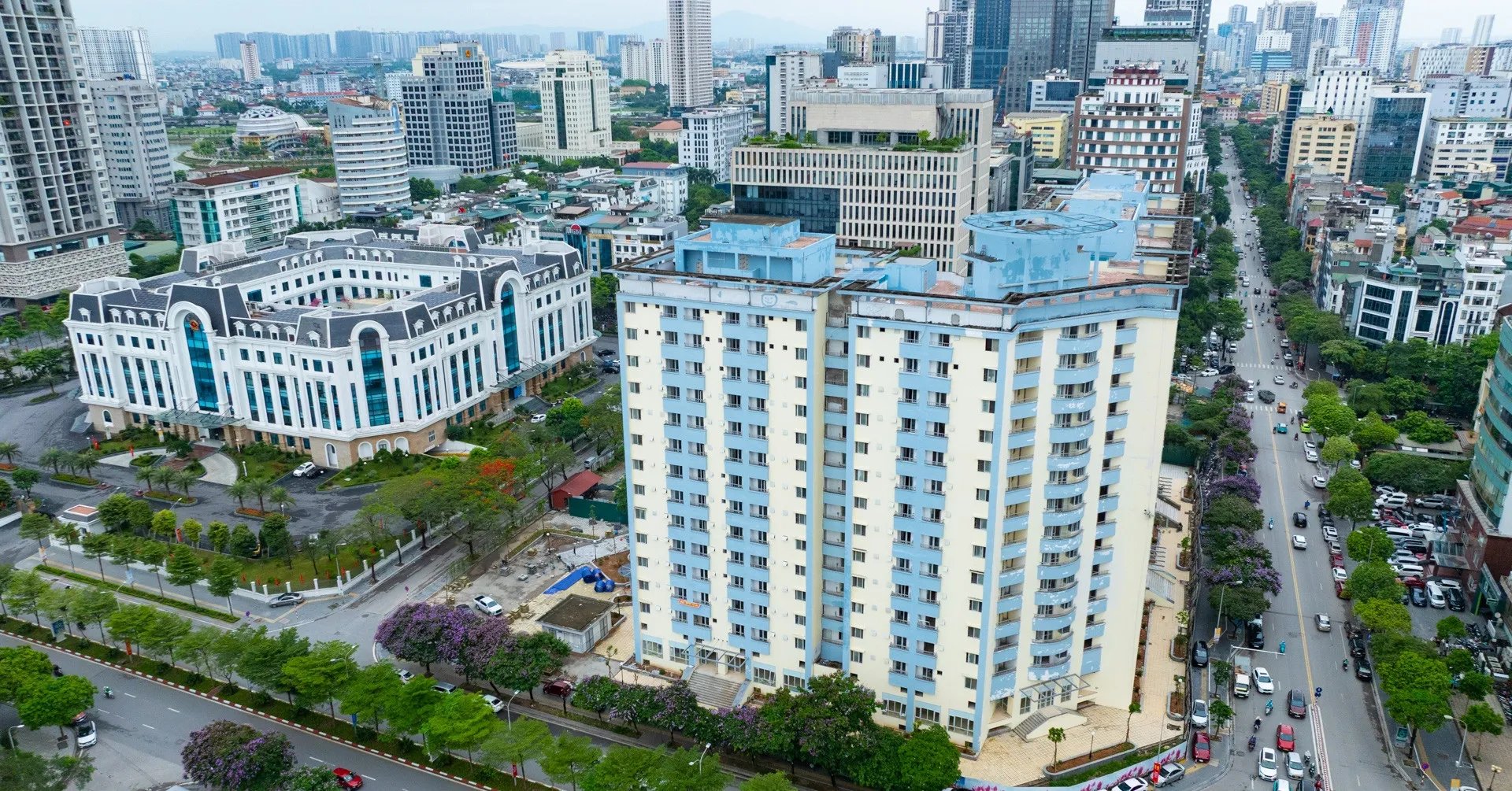

Against the backdrop of rapidly accelerating urbanization, the housing affordability crisis in megacities such as Hanoi and Ho Chi Minh City has reached an alarming level. According to market reports from the second half of 2026, primary apartment prices in Ho Chi Minh City commonly range from VND 80 million to VND 100 million per square meter, while the affordable Class C housing segment has almost completely disappeared from the market.
Rather than accepting cramped apartments and the burden of large loans with floating interest rates ranging from 12% to 16% per year, capital and human resources are showing a centrifugal trend, flowing toward satellite cities or regional urban centers where property prices are more accessible while still ensuring a comprehensive quality of life.
Da Nang and Thua Thien Hue
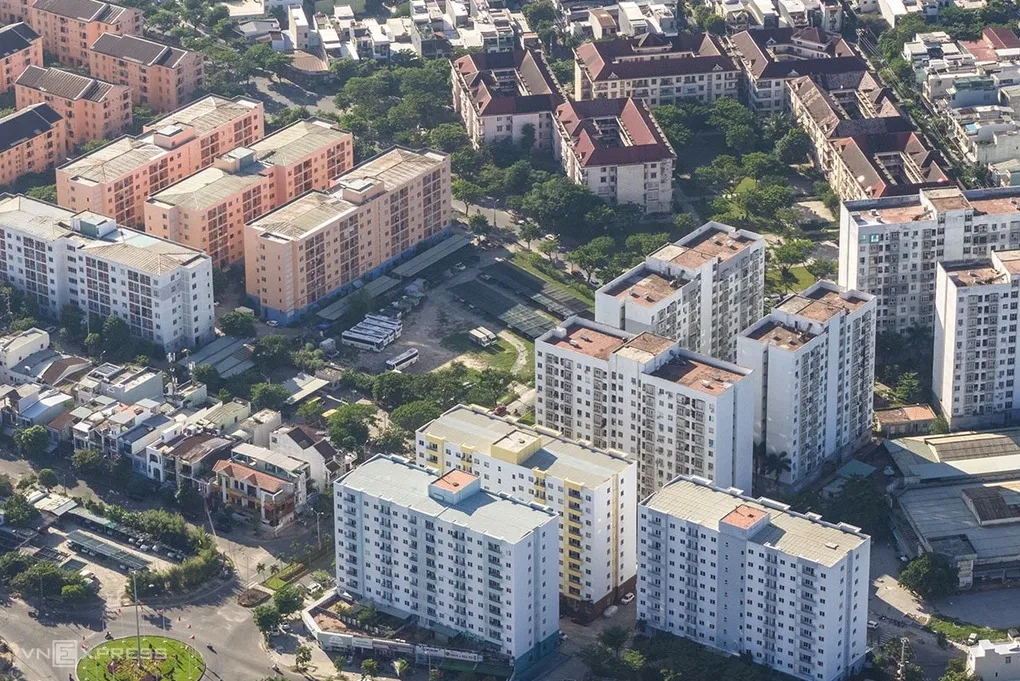
When balancing housing costs against the quality of living space, cities in Central Vietnam are emerging as leading destinations. Da Nang has long established a sustainable reputation for its environment and stable infrastructure, while still maintaining available land and apartment projects with prices much more affordable than those in the country's two major urban centers. With the same financial resources, instead of being able to afford only a small apartment tucked deep within an alley in Hanoi, homebuyers in Da Nang can access more spacious living spaces near the beach or along the Han River.
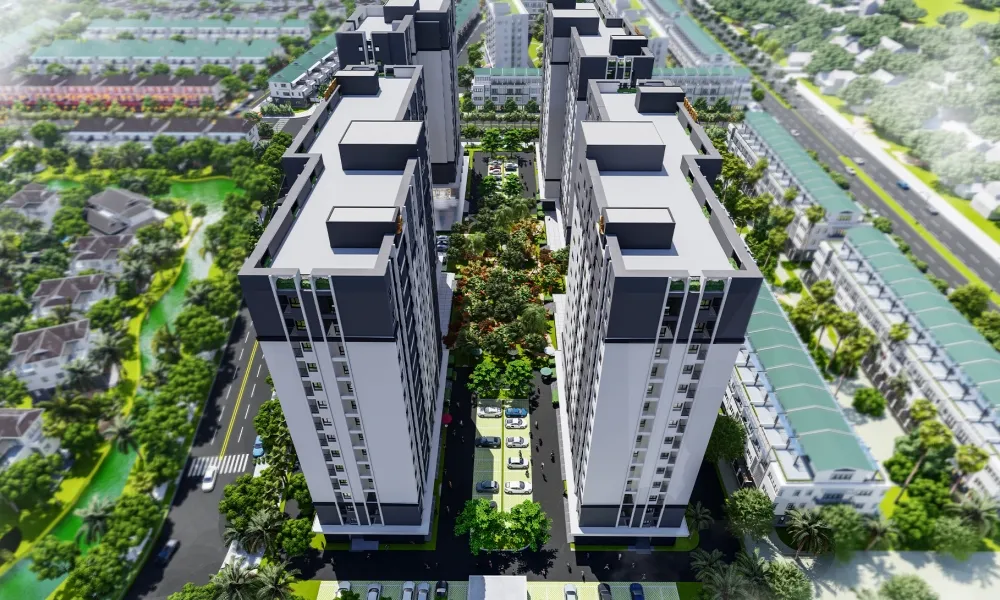
Next is Hue, a green city recognized under WWF standards. With the official implementation of the new land price framework under the Land Law beginning January 1, 2026, the city is attracting significant long-term capital flows. Stable landscape planning, low living costs, and almost nonexistent traffic pressure have turned the area into an ideal place to settle for remote workers and young intellectuals.
Can Tho
Can Tho is the economic, educational, and healthcare center of the entire Mekong Delta region, serving as a typical example of a city with broadly accessible housing costs.
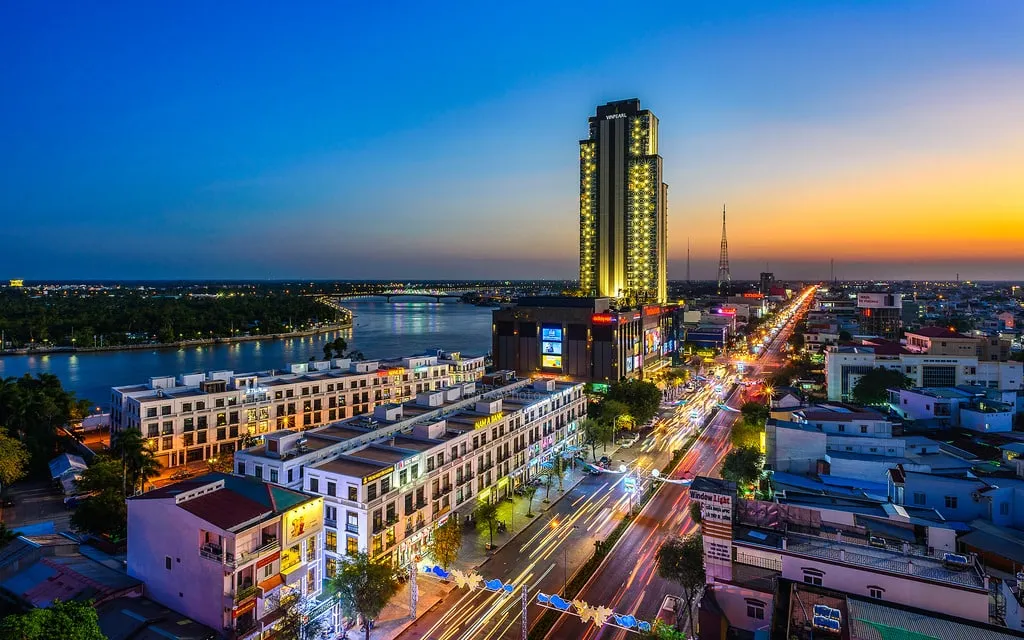
Although a resolution introducing a new land price framework closer to market prices was approved at the beginning of 2026, the overall Can Tho real estate market remains relatively accessible. Suburban land plots, social housing projects, and low-income apartments in the area have price ranges that are compatible with the incomes of the majority of salaried workers. The coordinated development of interregional transportation infrastructure, combined with the advantage of the mild climate of the river region, has helped turn Can Tho into a magnet for young families seeking their first home without taking on excessive debt.
A decisive factor in improving housing accessibility for residents in 2026 is the Government's strategy to accelerate the development of social housing, with a nationwide target of constructing more than 158,700 units.