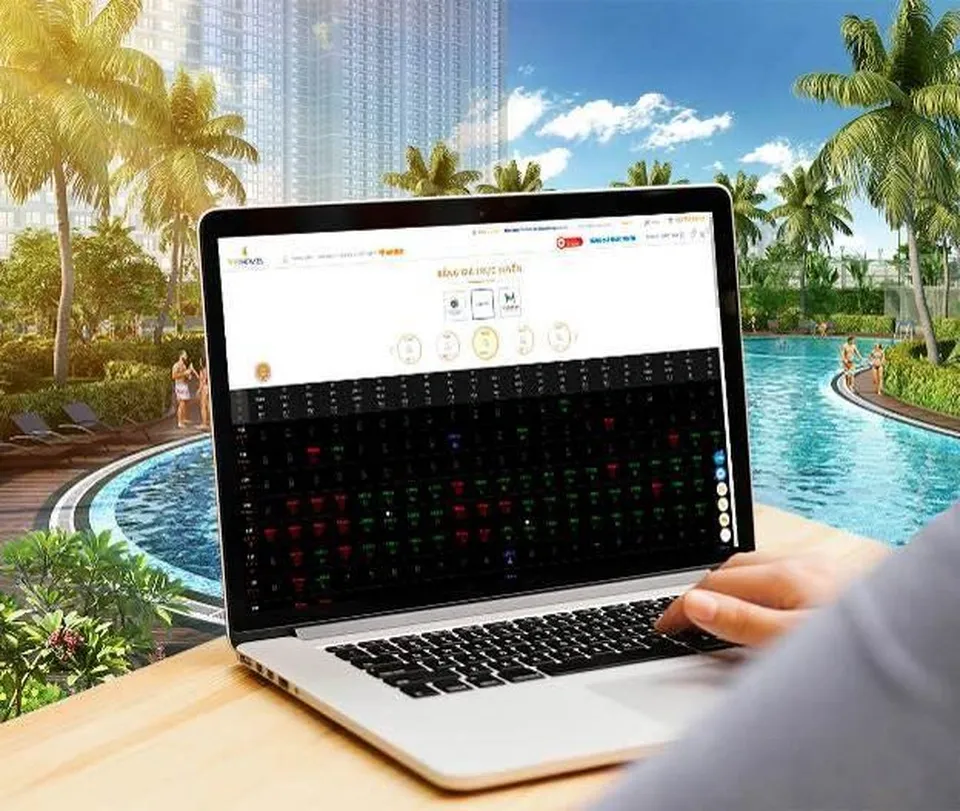

In the digital age, technology has completely transformed the way people search for and transact in real estate. With nothing more than a smartphone, buyers and renters can browse thousands of apartment and townhouse listings featuring stunning images, spacious interiors, and rooms flooded with natural light.

“Love at first sight” through a smartphone screen has become a common reaction for many people before they decide to schedule an in-person viewing. Yet a stark paradox persists in the market: the rate of disappointment after seeing a property in person remains remarkably high.
The first major factor that shatters buyers’ expectations is the excessive use of wide-angle photography and digital image-editing technology. To maximize click-through rates on property-listing websites, photographers often use ultra-wide-angle lenses. Their optical properties can distort edges and stretch the corners of a space, making a modest 10-square-meter bedroom appear as spacious as a luxury hotel suite.
On top of that, the excessive use of post-production software and virtual staging allows listing providers to erase hairline cracks, patches of dampness, or yellow stains caused by water damage and replace them with attractive 3D furniture and interior designs. When prospective buyers arrive in person, that digital glamour disappears completely, revealing a cramped, poorly lit, and deteriorating space, leading to a profound sense of disappointment and frustration.
Beyond the visual distortion of a property’s size, “environmental information asymmetry” is another major reason why homebuyers can end up regretting their decisions. A photo or short online video can capture only the most attractive angles within the four walls of a property, but it is largely incapable of conveying the surrounding environment.
A listing provider is unlikely to photograph an illegal dump right next to the property, a narrow lane that becomes severely flooded during heavy rain, or the deafening noise coming from a factory across the street. Some buyers have found themselves in frustrating situations after discovering that an apartment advertised as having a “million-dollar view” actually overlooks land designated for a cemetery, or that a house promoted as “quiet and secure” is located in an area with significant public-order concerns.
These critical details about the surrounding environment are often carefully omitted from property listings and only become apparent when buyers physically visit the site.
Another troubling practice is the use of “bait listings.” To generate engagement and collect prospective customers’ phone numbers, some unscrupulous brokers copy images from luxury developments or overseas show homes and advertise them at surprisingly low prices.
When prospective buyers make contact and arrive at the viewing location, they may be told that the attractive property was “just reserved a few hours ago” or that “the owner suddenly decided to raise the price.” The agent then redirects the customer toward other properties that are significantly inferior in quality but considerably more expensive.
Such deceptive practices not only waste buyers’ time, effort, and transportation costs but also erode trust in online real estate listing platforms.
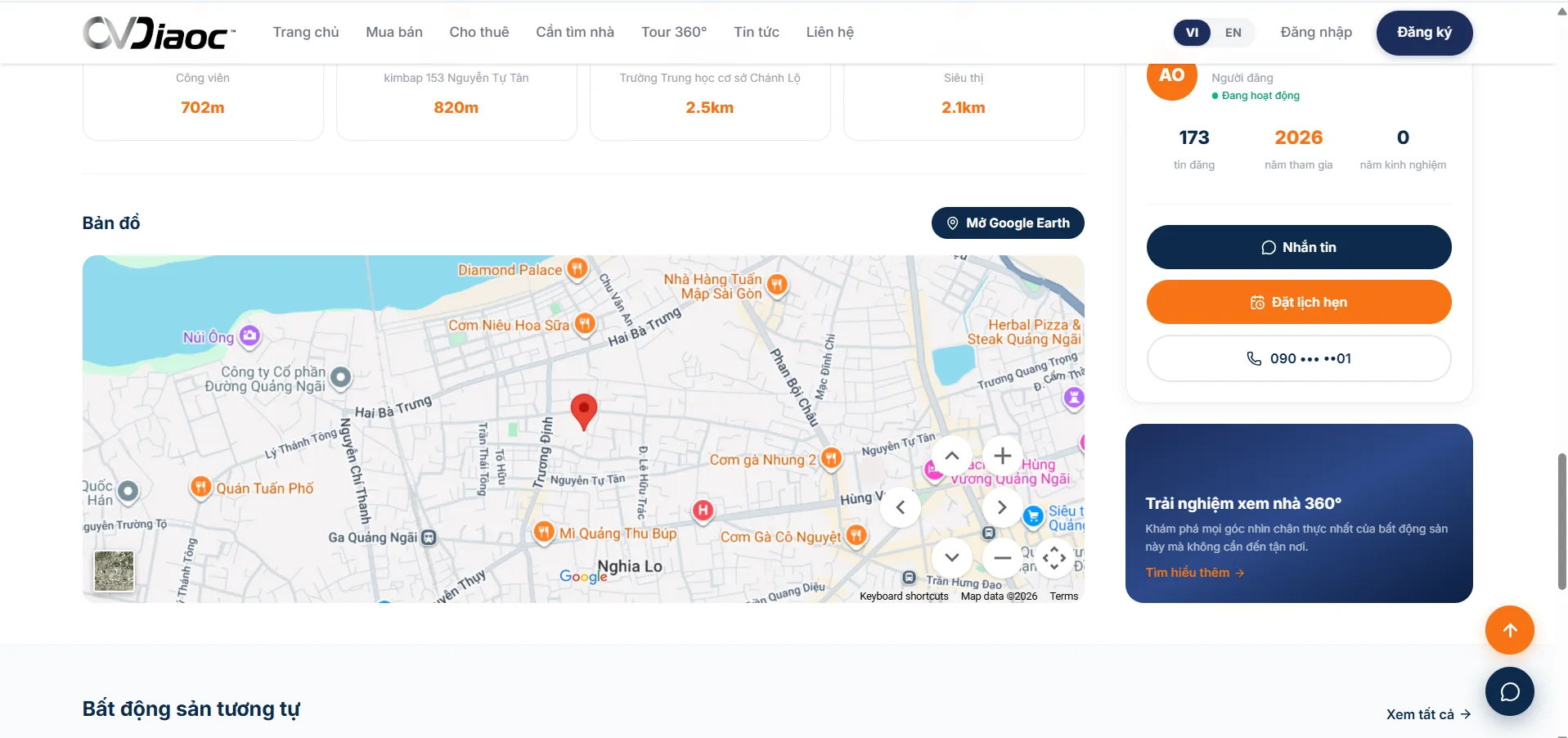
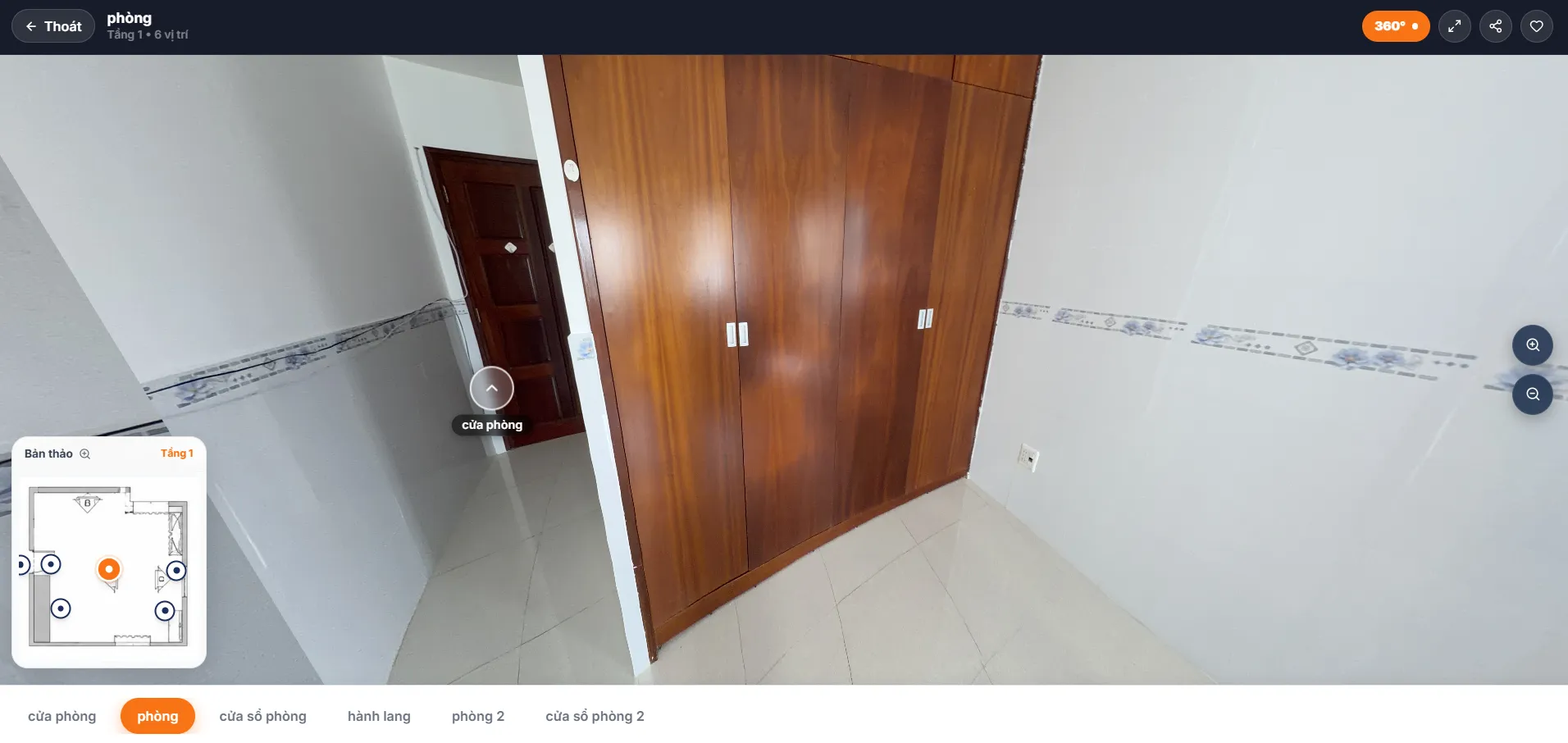
Amid information overload and the growing prevalence of misleading property images, modern property searches are increasingly shifting toward technology platforms designed to make real estate data more transparent. One notable solution is OVDiaoc, a platform that uses 360° virtual tours combined with an interactive, multidimensional mapping system.

Instead of relying solely on static, Photoshop-enhanced images, users on OVDiaoc can navigate through different areas of a property and explore its layout in a more realistic 1:1 spatial representation. They can inspect details ranging from ceilings and tiled floors to the direction of sunlight and airflow. At the same time, its digital mapping features allow prospective buyers to examine surrounding amenities, transportation infrastructure, and environmental conditions more objectively before deciding whether to visit the property in person. This can significantly reduce the risks associated with misleading or incomplete advertising information.