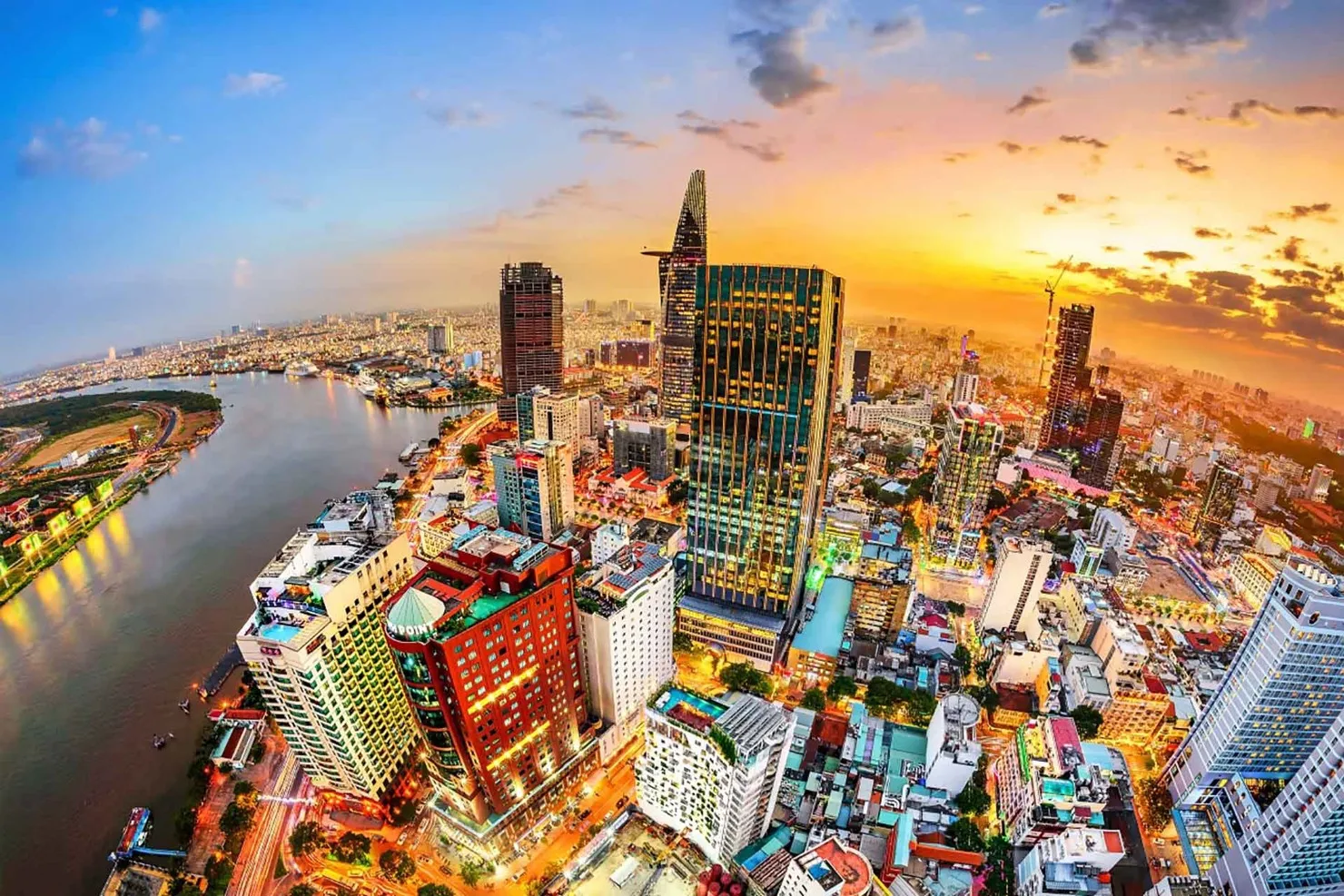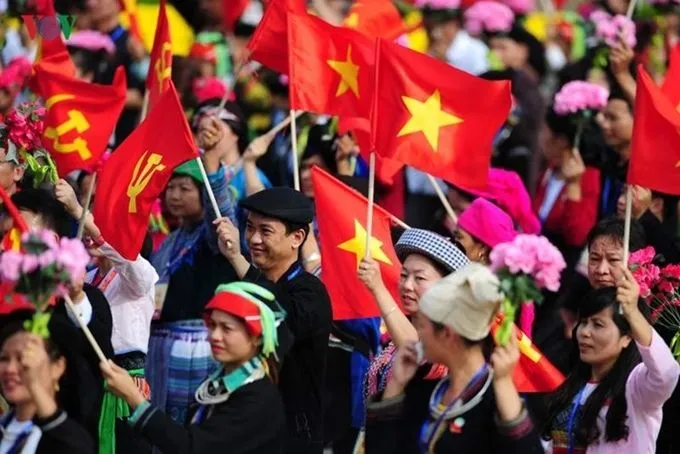
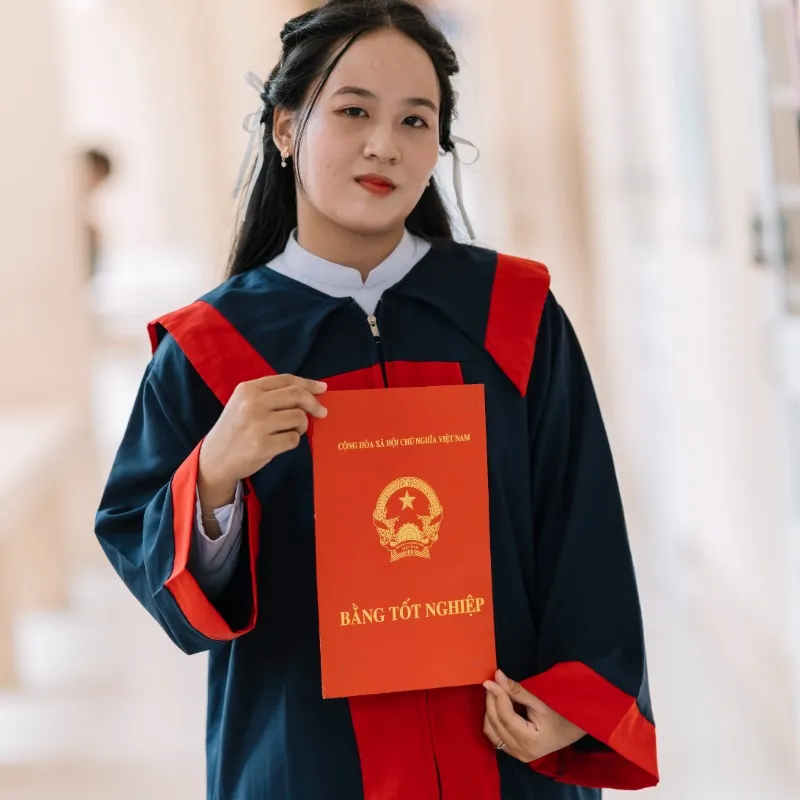
Vietnamese society is going through a profound period of transformation, where core traditional values and the wave of digital technology intersect, creating a quiet yet comprehensive revolution.
No longer confined by the predetermined patterns of previous generations, which placed heavy emphasis on settling for stability, personal sacrifice, and standardized life milestones, modern Vietnamese people, particularly the younger generation, are actively redefining themselves.
Faced with global economic shifts, the boom of artificial intelligence, and the desire to assert their individuality, Vietnamese ways of thinking are shifting from merely surviving and adapting toward actively creating value in pursuit of genuine happiness.
The way we work
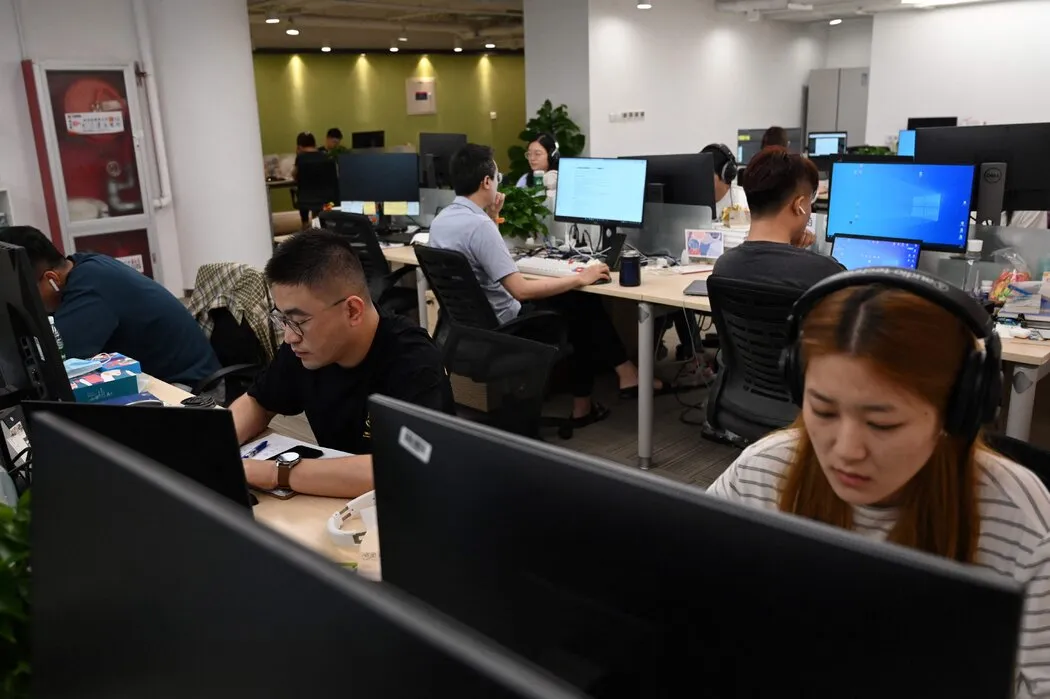
The nature of work in Vietnam is changing rapidly under the impact of digitalization. According to data from the PwC Workforce Survey, Vietnamese workers are adopting technological tools at a remarkable pace compared with the rest of the world, with as many as 83% of workers using AI in their jobs, well above the global average of 69%. Generative AI (GenAI) is no longer a luxury concept but has become a daily assistant for processing data and documents.
Alongside the technological revolution, the traditional “9-to-5” office model is also giving way to more flexible working trends. Workers are realizing that the time and costs spent commuting to the office can sometimes outweigh the practical benefits it provides.

At the same time, the rise of multitasking and holding multiple jobs allows young people to increase their income and broaden their professional experience. However, its downside is the risk of burnout and mental health problems as the boundaries between work and personal life become increasingly blurred.
As a result, rather than blindly devoting themselves to their jobs, Vietnamese workers today are beginning to prioritize companies that offer clear benefits, comprehensive health protection, and a sustainable orientation toward “green jobs.”
The way we love
Love and marriage in contemporary Vietnamese society are no longer treated as tasks that must be completed before reaching a certain age. Young people today enter relationships with greater psychological awareness and independence.

Instead of seeking financial support or relying on someone else as older notions once encouraged, modern dating trends emphasize deep connections in terms of thinking, worldview, and compatibility in lifestyle. The use of online dating apps has become an integral part of romantic life, expanding the boundaries of connection while also creating stricter demands for authenticity and information security.
Economic pressures and rising living costs are making Vietnamese people more cautious when deciding whether to marry or have children. Intentional singlehood and modern family structures are no longer subject to the same level of social stigma as before. When entering a relationship, young people place greater emphasis on equality and are willing to share both financial responsibilities and household chores. They are not afraid to seek help from psychologists or participate in healing courses to resolve conflicts and learn to love themselves before learning how to build connections with others.
Love is no longer about self-sacrifice, but a journey undertaken by two independent individuals who support each other’s growth while respecting each other’s personal space.
The way we live
Changes in the way people work and love have ultimately come together to form a more complete, healthy, and pragmatic philosophy of life among Vietnamese people. Faced with the increasingly visible impacts of climate change, Vietnamese people are moving more strongly toward greener lifestyles, reducing plastic waste, and prioritizing products from businesses with ethical practices.

Spending habits are also becoming more carefully calculated. Although total retail sales of goods and consumer services have maintained impressive growth, reaching more than VND 5.925 quadrillion during the first nine months of the year, people are becoming more cautious about spending on unnecessary luxury goods. Instead, they are focusing their finances on essential needs and healthcare products. Around 48% of Vietnamese users have developed the habit of using health-tracking apps, while as many as 63% use generative artificial intelligence to design personalized physical exercise routines.