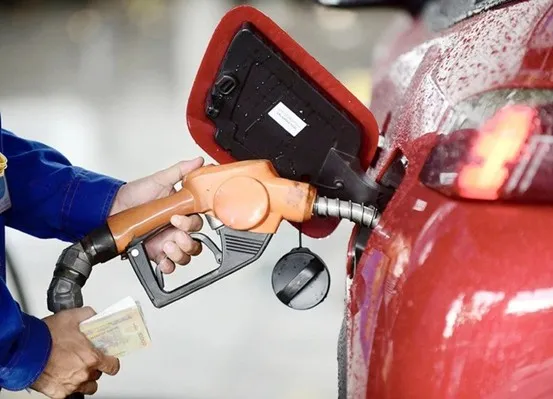

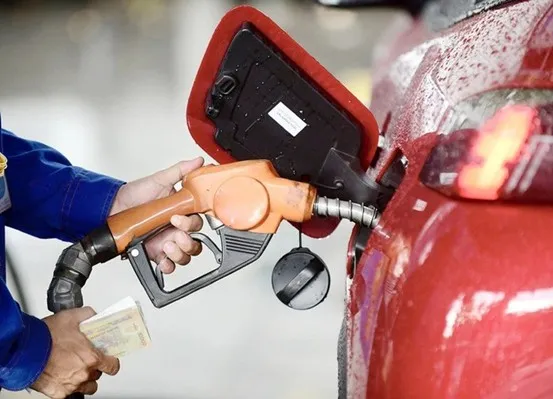
In every basic economics textbook, the law of supply and demand always affirms an immutable principle: when the price of a commodity rises, producers will immediately find every way to boost output to maximize profits. For the energy market, this means that the escalating price of "black gold" would trigger new drills hastily plunging into the earth for extraction.
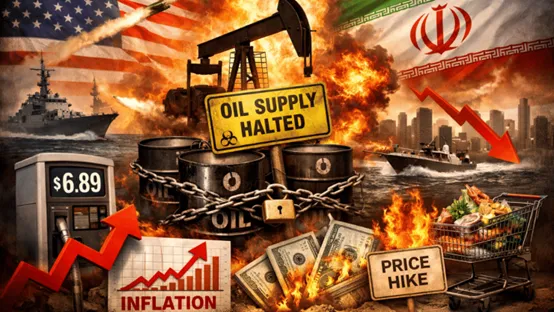
However, the brutal reality of 2026 is telling a completely opposite story. Amidst a suffocating geopolitical context surrounded by smoke and fire, a historical paradox has emerged, exposing the impotence of classic academic theories: war pushes oil prices to towering peaks, but the production machinery does not inch forward a single step, and even shows signs of serious regression.
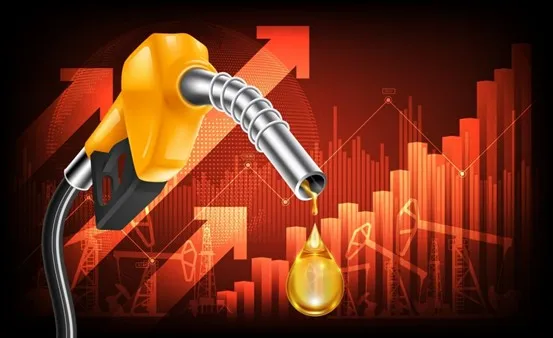
Speaking numbers from the market clearly depict this haunting paradox. Since the first shots of the conflict broke out, crude oil prices on international exchanges have witnessed a spectacular leap. According to data recorded by Reuters, energy prices have surged by more than 50%, a record margin large enough to normally awaken every dormant oil well globally. However, instead of a massive rush for extraction as expected, the Reuters report points out a shocking truth: the number of active drilling rigs, a prerequisite indicator for future production capacity, has sharply plummeted by approximately 39%. This is a rare fracture, showing that even the allure of super-profits cannot overcome the ferocity of battlefield realities.
The strange immobility of the extraction machinery stems from an overlapping network of causes, in which the obsession with security risks plays a core role. In an environment where key extraction areas constantly become targets for airstrikes and targeted attacks, human lives and equipment safety are placed on red alert, making investors hesitate.
Besides, burning oil wells and shattered pipeline systems are testaments to the fact that foundational infrastructure has been severely destroyed to the point where it cannot be restored overnight.
Furthermore, the cost bomb is also tightening the profit margins of producers; when surrounded by smoke and fire, insurance premiums for drilling rigs and oil tankers skyrocket to absurd levels, which, along with the expensive costs of maintaining the operational chain, have directly swallowed up the short-term advantages brought about by rising oil prices.
It is these insurmountable barriers that have led to an inevitable and highly pessimistic consequence: global energy supply is virtually frozen, despite all the inviting signals from exorbitant prices. Major oil and gas corporations are forced to stand by with folded arms, unable to release any additional flows to quench the industries' thirst for energy. As a result, the global economy is being pushed into a worst-case scenario named "prolonged shortage," where importing nations not only have to bite the bullet and pay exorbitant prices to maintain light and heat, but also live in constant fear that the supply chain could completely break down at any moment.
Faced with this deadlocked situation, strategic analysts are forced to admit that a tectonic shift is taking place right in the heart of the oil market. The traditional operational balance based on the pure correlation between "supply and demand" has been mercilessly overthrown. Now, a new order is being established, where the market is completely dominated by the "supply - war risk" axis. In this new order, pricing power no longer lies in the hands of inventory reports or economic growth forecasts, but is determined by military communiqués, unpredictable geopolitical fluctuations, and the destructive scale of armed campaigns. Risk has transformed into an invisible but massive tax, levied directly on every barrel of oil circulated globally.
The ongoing geopolitical conflict is not only devastating physical infrastructure but also shattering the oldest foundational paradigms of economics. When gunfire rings out, the basic laws of the free market are officially neutralized. The impotence of prices in stimulating production is the firmest affirmation that: in an era where security and survival are threatened, even massive cash flows cannot automatically translate into actual drops of oil.