
Vietnam - An Attractive Destination with Modern Cities that Preserve Cultural Identity
Vietnam is a Southeast Asian nation with a population of over 100 million people, boasting a rich history of more than 4,000 years of nation-building and defense. Stretching from North to South, the country is famous not only for its diverse natural landscapes but also as a crossroads of unique cultures that shape the distinct identity of each region.
Over many years, along with stable economic growth, Vietnam's urban system has made significant strides in development. Investments in transportation infrastructure, improvements in education and healthcare quality, and enhanced living environments have helped many cities become ideal places to study, work, and settle down.
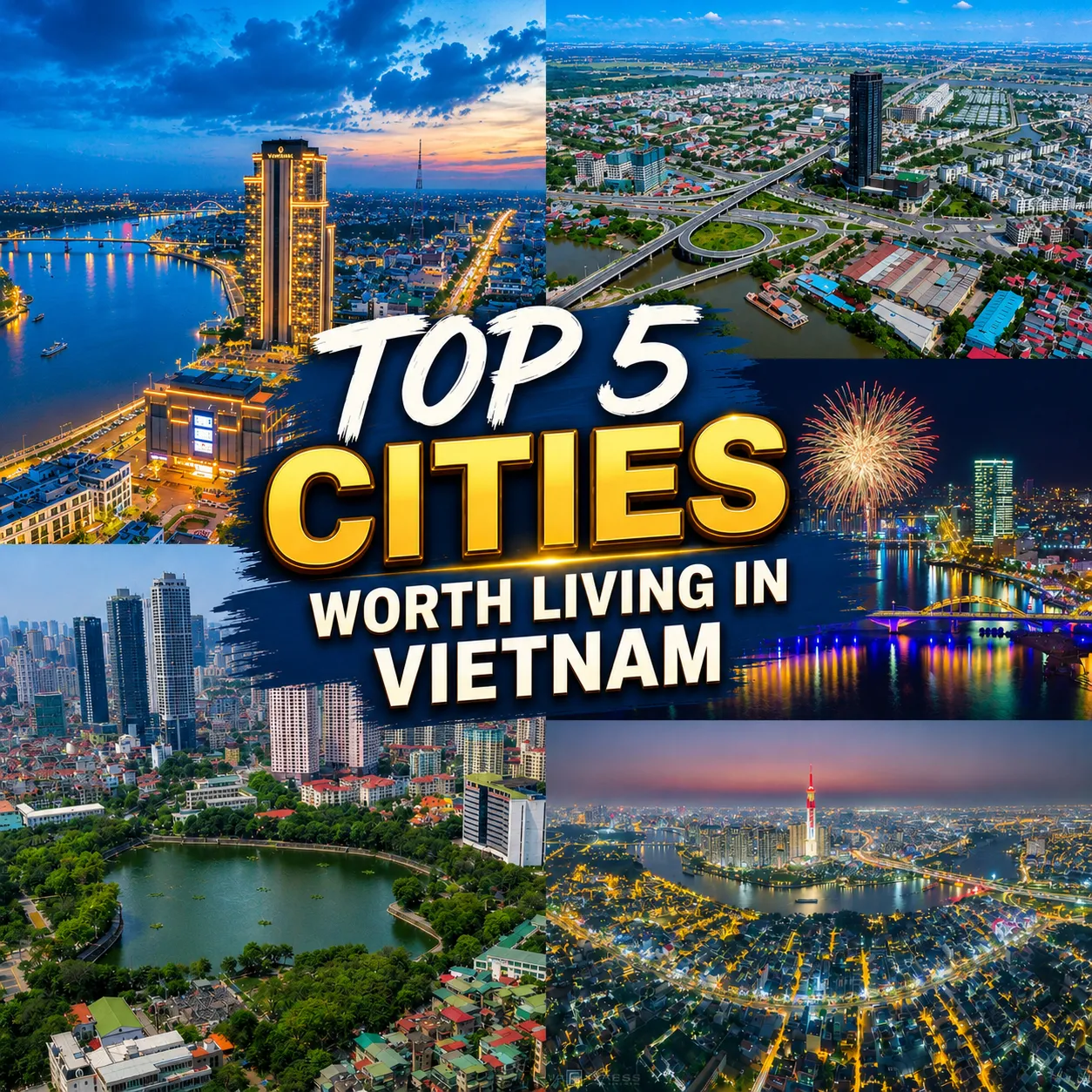
Below are the 5 cities rated by urban planning experts, investors, and residents as the most livable places in Vietnam.
1. Da Nang - Vietnam's Premier Livable City
Geographical Location, History, and Population
Da Nang is located in the South Central Coast region, occupying a strategic position on the North-South transport corridor and serving as the gateway to the East-West Economic Corridor. The city features a well-developed transportation system with an international airport, Tien Sa seaport, and a road network that conveniently connects to provinces in Central Vietnam. After officially becoming a municipality directly under the Central Government in 1997, Da Nang experienced strong growth in economy, infrastructure, and tourism, becoming one of Vietnam's most modern urban centers. Currently, Da Nang's population stands at approximately 1.3 million people.
Average Income and Living Costs
Da Nang's per capita GRDP reaches approximately USD 5,000 - 5,500/year (equivalent to roughly 10 - 12 million VND/month on average). This is a relatively high income level in the Central region, reflecting the strong development of the service, tourism, and information technology sectors. Living costs in Da Nang are considered reasonable - lower than Hanoi and Ho Chi Minh City - while still offering all the amenities of a major city. On average, a single person needs around 10 - 15 million VND/month, depending on their lifestyle.
• Rent / Apartment:
o Budget room: 2 - 4 million VND/month
o Mini-apartment or studio: 5 - 8 million VND/month
o Apartment or entire house: 8 - 15 million VND/month
• Daily Food & Dining:
Da Nang's cuisine is diverse with affordable prices.
o Everyday meal: 30,000 - 45,000 VND/portion
o Dining out regularly: around 3 - 5 million VND/month
o Seafood and local specialties: 50,000 - 300,000 VND/dish depending on the restaurant.
• Transportation & Other Living Expenses:
o Gasoline and commuting: 500,000 - 1 million VND/month
o Electricity, water, internet: 700,000 - 1.5 million VND/month
o Entertainment, coffee, sports: 1 - 3 million VND/month
Overall, Da Nang delivers a balance between income and living expenses. Residents can enjoy a modern lifestyle at a moderate cost, within a clean, attractive environment with plenty of public space.
Famous Landmarks and Specialties
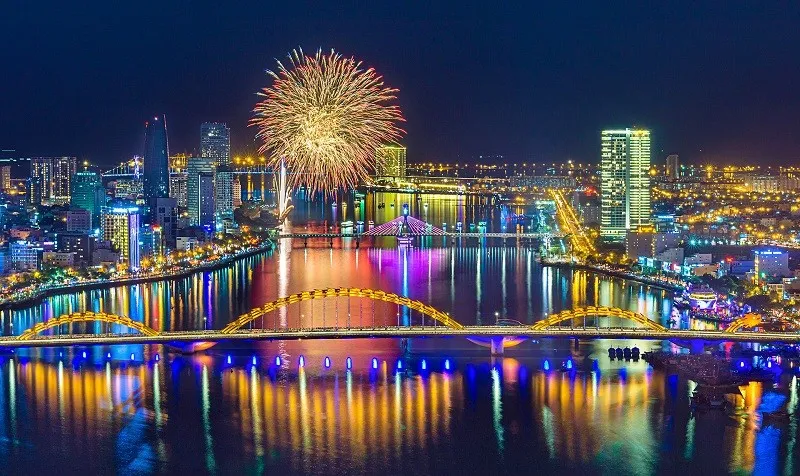
Da Nang makes a strong impression with its harmonious combination of sea, mountains, and modern urban landscape. My Khe Beach has been voted one of the most beautiful beaches on the planet for many years, while the Son Tra Peninsula serves as the city's "green lung" with a rich ecosystem. The Dragon Bridge, the Golden Bridge at Ba Na Hills, and the Marble Mountains have become famous national and international tourism icons.
Da Nang's cuisine also contributes to its distinct appeal, featuring dishes such as Mi Quang (Quang-style noodles), fish cake noodle soup, rice paper rolls with pork, savory pancakes (Banh Xeo), and fresh seafood caught daily.
Special Highlights
Da Nang is known for its clean living environment, smooth traffic system, high green canopy ratio, and developed e-government. Friendly residents, a strong sense of community, and sustainable tourism development have all contributed to building the image of a civilized and livable city.
Why Is It Livable?
Da Nang is suitable for those seeking a balance between work and life. The city offers numerous job opportunities in tourism, technology, and services, while featuring a fresh environment, beautiful beaches, and an unhurried pace of life. It is also an ideal choice for young families and people looking for long-term settlement.
2. Ho Chi Minh City - Vietnam's Economic Engine
Geographical Location, History, and Population
Ho Chi Minh City is located in the Southeast region and serves as the country's largest economic, financial, and commercial hub. The city has a history spanning over 300 years of formation and growth, previously named Gia Dinh and then Saigon before being officially renamed in 1976. The registered resident population is currently around 9.6 million, but including temporary residents and migrant workers, the actual population exceeds 13 million.
Average Income and Living Costs
Per capita GRDP reaches approximately USD 7,600 - 8,000/year, ranking among the highest in Vietnam and reflecting strong growth across finance, trade, technology, and services.
Living costs in Ho Chi Minh City are also among the highest nationwide. A single person needs roughly 12 - 18 million VND/month, excluding rent.
• Rent / Apartment:
o Budget room: 3 - 6 million VND/month
o Studio apartment: 6 - 12 million VND/month
o Condominium / Apartment: 10 - 25 million VND/month
• Daily Food & Dining:
o Everyday meal: 35,000 - 60,000 VND/portion
o Dining out regularly: 4 - 6 million VND/month
o Mid-to-high-end restaurants: 150,000 - 500,000 VND/person
• Transportation & Other Living Expenses:
o Gasoline or public transport: 700,000 - 1.5 million VND/month
o Electricity, water, internet: 800,000 - 1.8 million VND/month
o Entertainment and shopping: 2 - 5 million VND/month
Despite the higher living costs, income levels and career opportunities in Ho Chi Minh City are significantly larger than in many other regions, creating favorable conditions for workers to advance their careers.
Famous Landmarks and Specialties
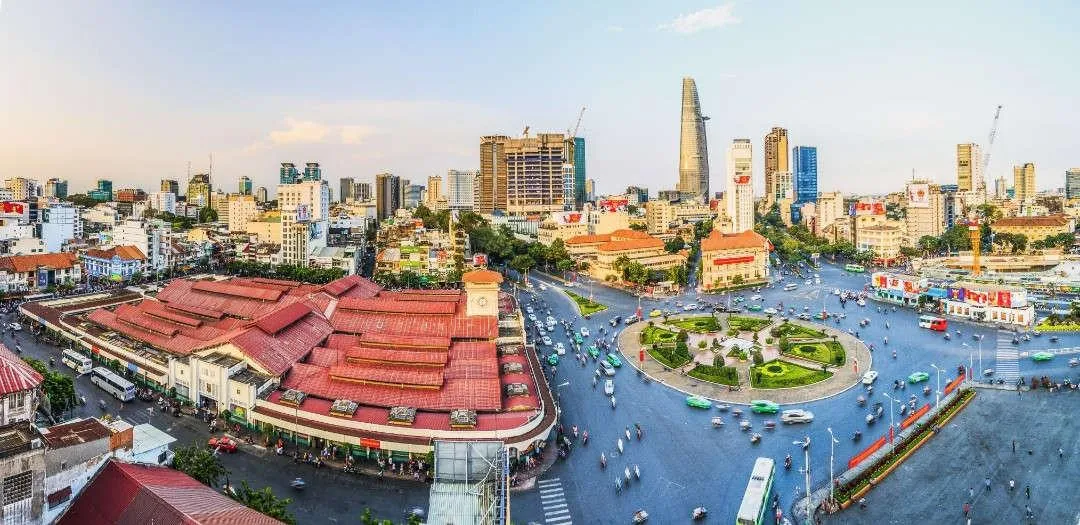
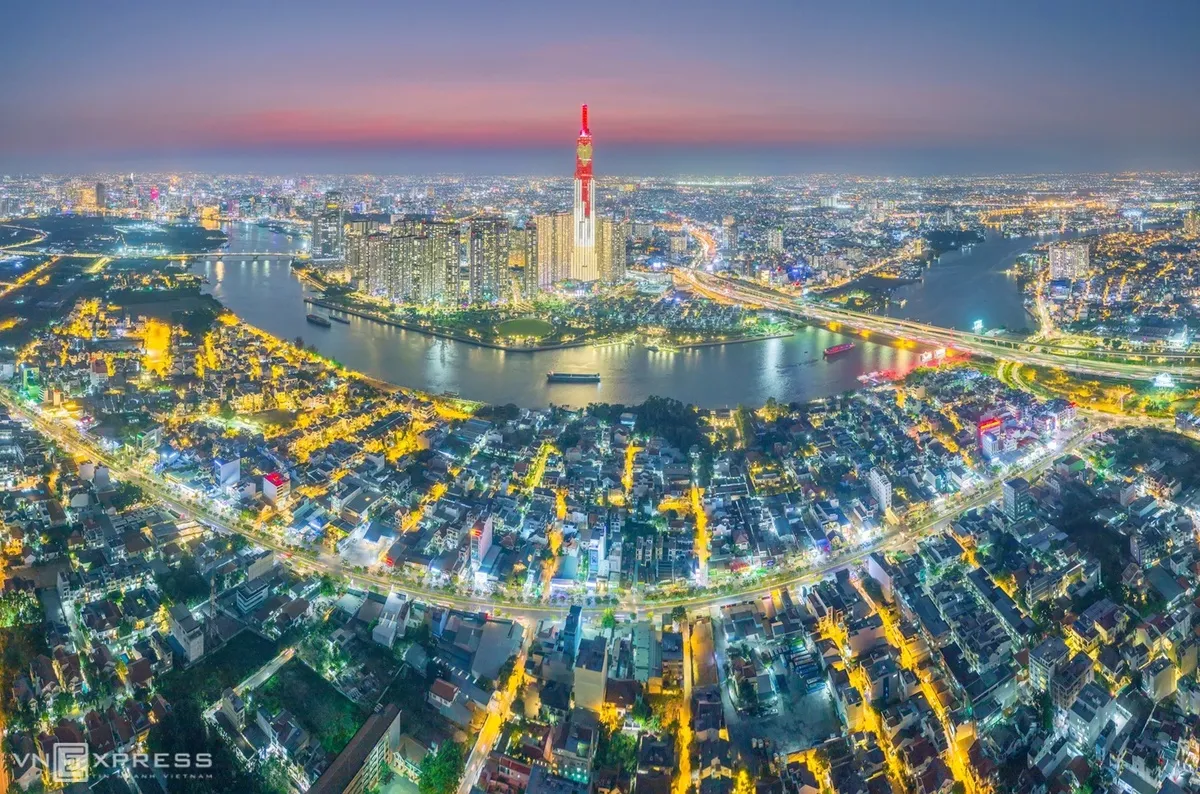
As the nation's economic epicenter, Ho Chi Minh City boasts numerous iconic landmarks such as Ben Thanh Market, Notre-Dame Cathedral Basilica, the Central Post Office, Independence Palace, Landmark 81, and Nguyen Hue Pedestrian Street. It is also a cultural melting pot representing various regions, vibrant day and night.
Saigon cuisine is remarkably diverse, ranging from broken rice (Com Tam), Nam Vang noodle soup, banh mi, and pha lau to thousands of street food items and international offerings.
Special Highlights
Ho Chi Minh City is the financial, innovation, and startup hub of Vietnam. It hosts a high concentration of domestic enterprises, multinational corporations, and top universities, creating a dynamic and diverse working environment.
Why Is It Livable?
If you thrive on excitement, abundant career opportunities, and a professional work environment, Ho Chi Minh City is the top choice. Although living pressure and costs are higher than elsewhere, it remains a city offering immense potential for personal growth and income advancement.
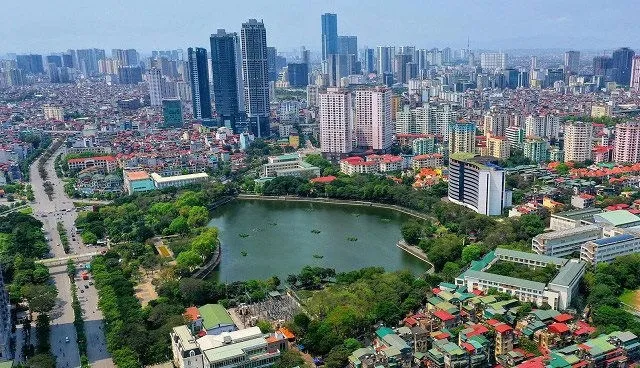
3. Hanoi - The Thousand-Year-Old Capital
Geographical Location, History, and Population
Hanoi is situated at the center of the Red River Delta and serves as the capital of Vietnam. With a history of over a thousand years since King Ly Thai To moved the capital to Thang Long in 1010, Hanoi is recognized as the political, cultural, and educational center of the country. The city's current population is approximately 8.9 million.
Average Income and Living Costs
Hanoi's per capita GRDP reaches approximately USD 6,700/year, among the highest in the country. A single person living in Hanoi requires roughly 11 - 17 million VND/month, excluding rent.
• Rent / Apartment:
o Budget room: 2.5 - 5 million VND/month
o Studio or mini-apartment: 5 - 9 million VND/month
o Condominium / Apartment: 8 - 18 million VND/month
• Daily Food & Dining:
o Everyday meal: 35,000 - 55,000 VND/portion
o Dining out regularly: 3.5 - 5 million VND/month
o Hanoi specialties: 40,000 - 150,000 VND/dish
• Transportation & Other Living Expenses:
o Commuting: 500,000 - 1.2 million VND/month
o Electricity, water, internet: 700,000 - 1.5 million VND/month
o Entertainment: 1 - 3 million VND/month
Overall, Hanoi has a relatively high cost of living, but this comes alongside education, healthcare, and public service systems that rank among the best in the nation.
Famous Landmarks and Specialties
Hanoi possesses an ancient beauty with Hoan Kiem Lake, the Temple of Literature (Van Mieu - Quoc Tu Giam), the Imperial Citadel of Thang Long, West Lake, and the Old Quarter. Each site preserves historical and cultural marks of a thousand-year-old capital.
Hanoi's culinary scene is famous for pho, bun cha (grilled pork with rice noodles), Cha Ca La Vong (turmeric grilled fish), bun thang, Vong village green rice flakes (Com), and many traditional dishes rich in Northern flavors.
Special Highlights
Hanoi is the administrative, cultural, and educational epicenter of Vietnam, concentrating many universities, research institutes, museums, and national cultural heritage sites.
Why Is It Livable?
Hanoi is well-suited for those who appreciate cultural depth, a quality learning environment, and abundant development opportunities in education, research, administration, and services. The city offers a unique blend of ancient charm and modern rhythm.
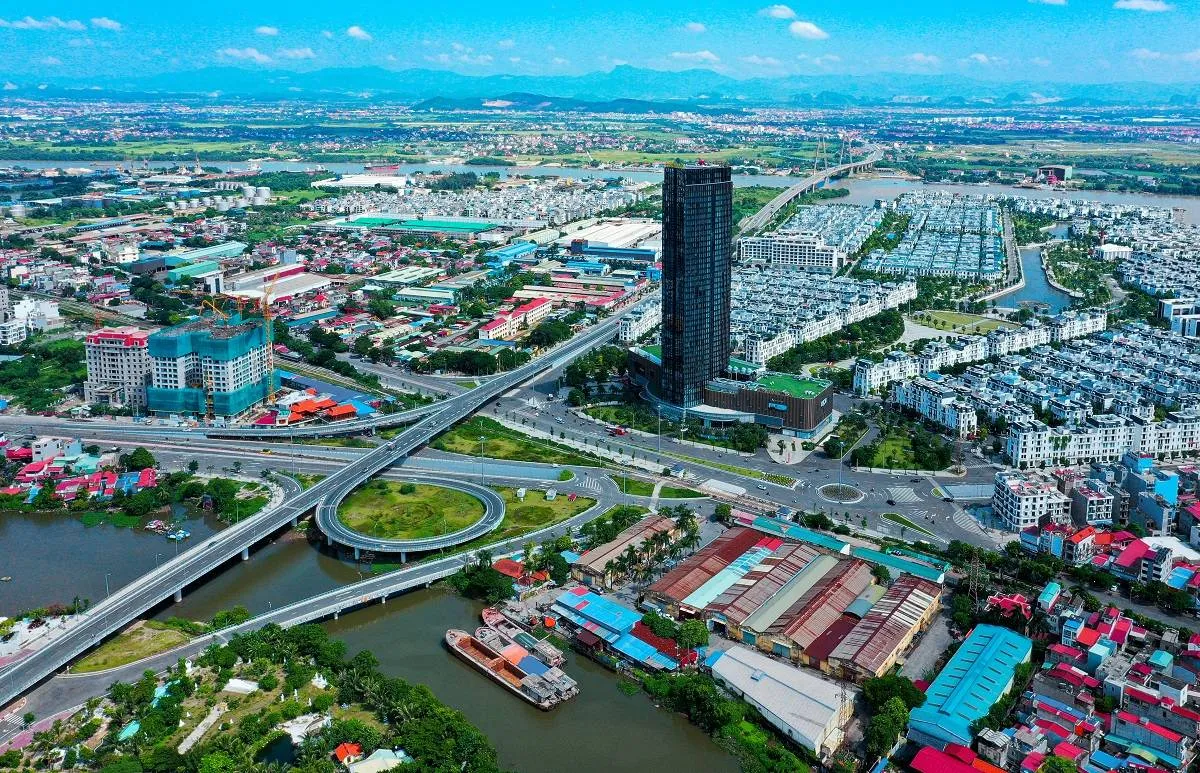
4. Hai Phong - The Dynamic Port City
Geographical Location, History, and Population
Hai Phong is situated in the Northern coastal region, serving as the largest port city in Northern Vietnam and acting as the region's gateway to international trade. Established in 1888, Hai Phong has grown rapidly thanks to its seaport system, industrial manufacturing, and logistics. Today, the city is home to approximately 2.2 million people.
Average Income and Living Costs
Per capita GRDP reaches approximately USD 8,600/year, ranking among the top tier in Vietnam. Living expenses in Hai Phong are relatively reasonable compared to income levels. On average, a single individual needs around 9 - 14 million VND/month.
• Rent / Apartment:
o Budget room: 2 - 3.5 million VND/month
o Studio: 4 - 7 million VND/month
o Entire house: 6 - 12 million VND/month
• Daily Food & Dining:
o Everyday meal: 30,000 - 45,000 VND/portion
o Dining out: 3 - 4.5 million VND/month
o Fresh seafood: 80,000 - 300,000 VND/dish
• Transportation & Other Living Expenses:
o Commuting: 400,000 - 900,000 VND/month
o Electricity, water, internet: 600,000 - 1.3 million VND/month
o Entertainment: 1 - 2 million VND/month
Thanks to a relatively high income level coupled with moderate living costs, Hai Phong is regarded as one of the cities offering the best financial balance for working professionals.
Famous Landmarks and Specialties
Hai Phong is famous for Cat Ba Island, Lan Ha Bay, Do Son Beach, and the Hai Phong Opera House. The city also acts as a vital transit hub to many coastal destinations in the North.
The local cuisine stands out with Banh Da Cua (crab red noodle soup), Nem Cua be (square crab spring rolls), Bun Tom (shrimp noodle soup), fresh seafood, and distinct coastal flavors.
Special Highlights
Hai Phong is a major industrial and logistics center of Northern Vietnam, possessing modern seaport facilities and large-scale industrial zones that attract substantial domestic and foreign investment capital.
Why Is It Livable?
Hai Phong is ideal for individuals working in industrial manufacturing, import-export, and logistics. The city offers both high average incomes and reasonable living costs, alongside abundant coastal spaces and an economic growth rate leading the nation.
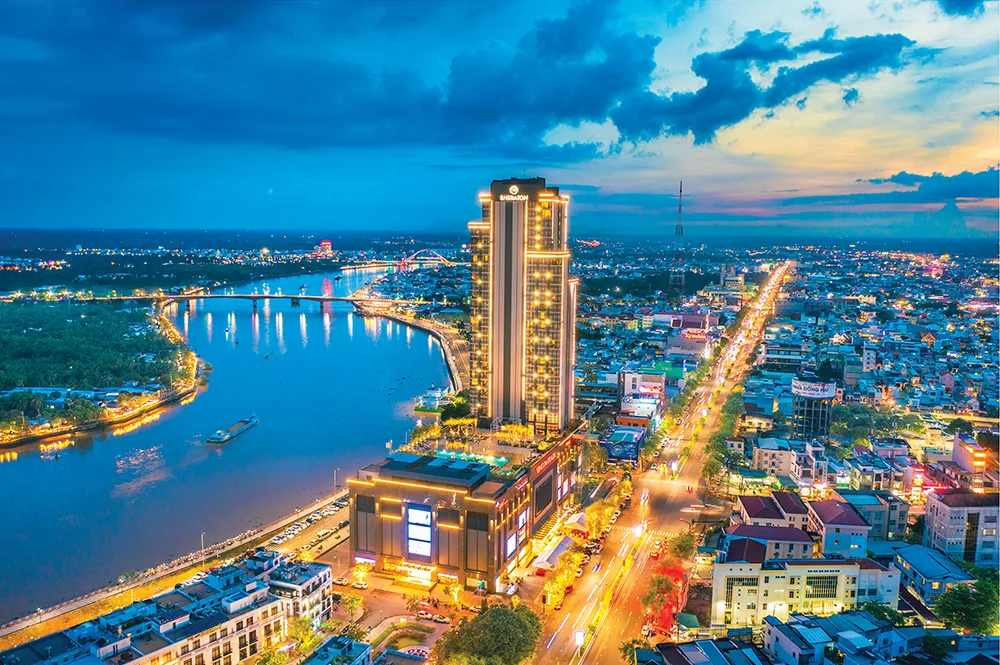
5. Can Tho - The Hub of the Mekong Delta
Geographical Location, History, and Population
Can Tho lies along the Hau River and serves as the economic, educational, and healthcare capital of the Mekong Delta region. Recognized as a municipality directly under the Central Government in 2004, the city acts as the growth engine for the Southern region. Currently, Can Tho's population is around 1.3 million people.
Average Income and Living Costs
Can Tho's per capita GRDP currently reaches approximately USD 4,500 - 5,000/year (equivalent to roughly 9 - 12 million VND/month on average), reflecting a moderate income level nationally, yet stable within the Mekong Delta.
Regarding living costs, Can Tho is considered one of the most "breathtakingly affordable" cities among Vietnam's central municipalities. On average, a single person needs around 8 - 12 million VND/month, though this varies depending on lifestyle:
• Rent / Apartment:
o Budget room: 1.5 - 3 million VND/month
o Mini-apartment or studio: 3 - 6 million VND/month
o Small house: 5 - 10 million VND/month (depending on location near the center or outskirts)
• Daily Food & Dining:
Can Tho's cuisine is very affordable compared to other major cities.
o Everyday meal: 25,000 - 40,000 VND/portion
o Dining out 2 - 3 meals/day: around 2.5 - 4.5 million VND/month
o Local specialties (fish sauce hotpot, Banh Xeo, Bun Nuoc Leo): average price 40,000 - 120,000 VND/dish
• Transportation & Other Living Expenses:
o Gasoline and commuting: 300,000 - 800,000 VND/month
o Electricity, water, internet: 500,000 - 1,200,000 VND/month
o Entertainment, coffee, personal expenses: 1 - 2 million VND/month
In general, Can Tho offers significant advantages in low housing costs, inexpensive food, and stable living expenses, allowing residents to maintain financial balance easily. This is one of the key reasons why the city is an ideal choice for those who desire a comfortable lifestyle with minimal financial pressure while enjoying full basic amenities.
Famous Landmarks and Specialties
Can Tho captures the essence of the river region with famous locations such as Cai Rang Floating Market, Ninh Kieu Wharf, Binh Thuy Ancient House, and Truc Lam Phuong Nam Zen Monastery. Each destination reflects the signature culture of the South Western region, from the bustling floating market to peaceful moments along the Hau River.
Can Tho's culinary scene is enticing with rustic yet flavorful dishes like fish sauce hotpot (Lau Mam), savory pancake (Banh Xeo), Cai Rang grilled pork sausage (nem nuong), and magenta leaf sticky rice cake (Banh Tet La Cam). These dishes showcase the abundance of riverine ingredients while creating a modest, warm, and highly charming local appeal.
Special Highlights
Lush green spaces extending across the city, gentle rivers weaving through residential areas, fresh air, and low pollution give Can Tho a distinct character - gentle, pleasant, and deeply relaxing. Life here moves without rush or pressure, flowing steadily like the calm Hau River, allowing people to easily find peace in everyday moments.
Why Is It Livable?
Can Tho is particularly suited for nature lovers who appreciate an unhurried pace of life and seek a sanctuary peaceful enough to recharge the soul yet convenient enough for comfortable daily living. Here, reasonable living costs make life gentler, free from the heavy pressure of metropolis living, all while offering complete services, schools, hospitals, and modern amenities. Can Tho feels like a "breathing space" amid busy lives, where one can live close to the water, hear early morning boats, experience the gentle warmth of the Mekong Delta, and regain personal balance.
Quick Comparison
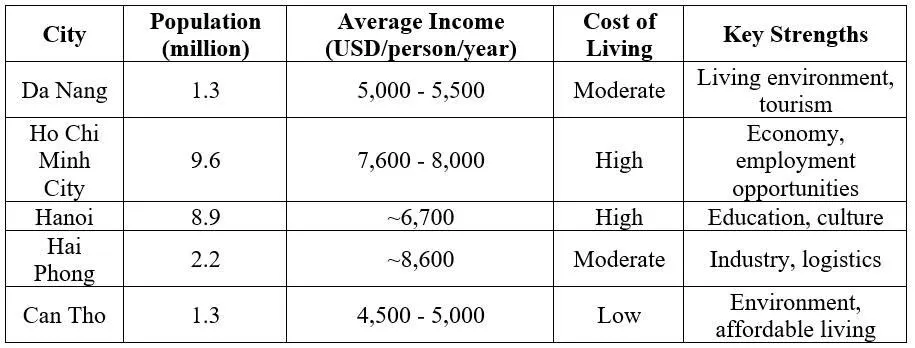
Each city possesses its own advantages and suits different groups of people. For those who prioritize a clean environment and life balance, Da Nang is a top choice. Young professionals seeking career advancement will find ample opportunities in Ho Chi Minh City. Hanoi is attractive for its educational foundation and cultural depth. Hai Phong stands out with strong economic growth and high average income, while Can Tho offers a relaxed lifestyle with reasonable costs and a friendly living environment.