

Stepping through the doors of university is a crucial milestone, marking the maturity and the beginning of an independent life for students. On that journey, finding an ideal place to live is always a top priority. A good living space not only provides safety but also serves as a solid foundation for you to focus on your studies and personal development.
This process typically involves two decisive stages that impact the quality of life throughout your four years of youth: finding a satisfactory rental room and building good relationships with those you live with.
Choosing a location and determining a budget

The first and most important thing when starting to look for accommodation is to identify a convenient location based on your allowable budget. Sincere advice is that you should prioritize zoning areas within a radius of two to three kilometers from the university. This distance is considered the golden range, close enough for you to walk or cycle easily, helping to save significantly on gas costs and daily commuting effort.
However, do not rush to completely trust the distances on online maps. You need to spend time doing a field survey of the area, paying special attention to traffic conditions during rush hours to avoid exhausting traffic jams and being late for class.
Besides, asking local residents whether the route from the accommodation to the school gets deeply flooded during the rainy season or high tides is also a vital factor, helping to protect your vehicle and keeping you looking neat when arriving at the lecture hall.
Searching through reputable channels
In today's digital age, finding information about rental housing has become incredibly convenient thanks to the powerful support of online platforms. Make full use of social media by joining official student groups of the very university you are about to attend.
At the same time, searching on reputable real estate rental platforms also yields high efficiency. These channels provide a massive amount of information, giving you the most comprehensive and realistic overview of the general price level in the regional market. By carefully reading descriptions, viewing photos, and consulting reviews from previous tenants, you can easily compare, filter, and create a list of the most potential rooms before deciding to spend the effort visiting them in person.
Thoroughly checking the security system
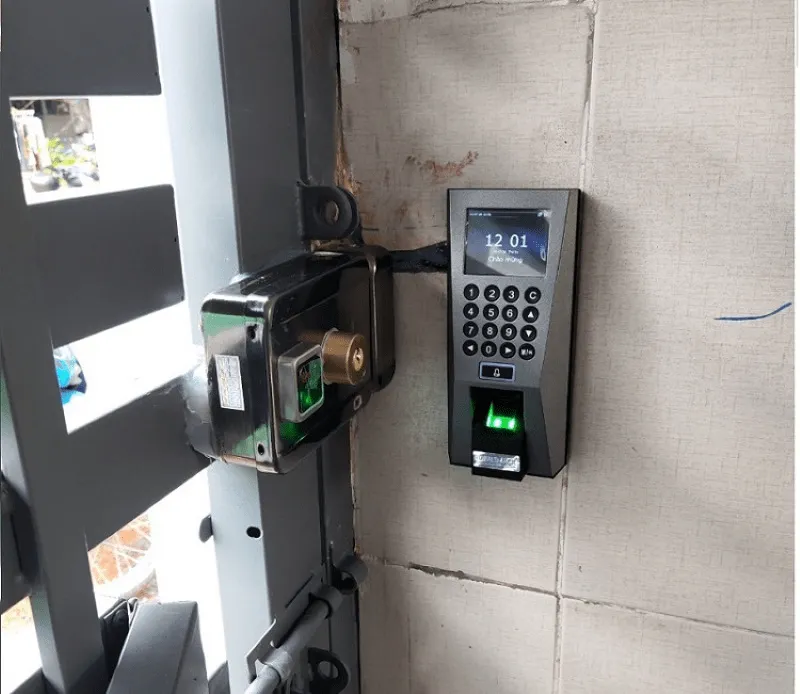
Once you have decided to view a room in person, absolute safety must be the top priority and should never be compromised or taken lightly. Observe the overall security system of the entire boarding area carefully. A truly safe accommodation is usually surrounded by sturdy gates, with the highest priority given to places equipped with modern fingerprint lock gates to strictly control strangers entering and leaving.
Next, you need to personally check the quality of the door lock of the specific room you intend to rent, ensuring its sturdiness and that there are no signs of it having been pried open.
Especially, a fire prevention and fighting system is a mandatory standard to ensure life safety. You need to clearly identify the locations of fire extinguishers, check whether the area is equipped with safe fire escape ladders, and whether the corridors are well-ventilated enough for easy movement when an unexpected incident occurs.
Transparency in the lease agreement
Before deciding to pay the deposit, reading carefully and clarifying every single word in the lease agreement is the final checkpoint to protect your legal rights. Do not hesitate to discuss frankly with the landlord about the initial deposit amount as well as the specific conditions for the deposit to be refunded when you want to move elsewhere. All essential living costs such as the unit price for electricity, and water prices calculated by cubic meter or per capita must be clearly recorded in black and white.
You also must absolutely not forget to ask carefully about monthly incurred surcharges such as domestic waste collection fees, internet service fees, or cleaning fees for common spaces. In addition, agreeing in advance on the opening and closing hours of the accommodation at night is also extremely important, helping you proactively arrange your study and part-time work schedules smoothly without fear of violating the collective's general rules.
Furthermore, leaving the arms of your family to share a living space with strangers or friends requires tact, understanding, and mutual respect. Therefore, the art of finding a roommate and maintaining harmony is the next important key that any freshman needs to be firmly equipped with.
Choosing a roommate on the same wavelength

To have a smooth and long-term co-living experience, the core foundation lies in choosing the right companion whose lifestyle suits yours. The safest choices that are always given top priority are close friends from high school or friends from the same faculty or university class. Prior interaction helps you partially understand each other's personalities, thereby making it easy to sympathize, tolerate, and adjust to harmonize in daily life.
In case you have to find a completely new roommate, you should be extremely careful in filtering information, prioritizing searching through official, transparent student groups of the school. Proactively setting up a meeting and chatting beforehand to gain a preliminary understanding of their lifestyle, daily habits, and personal views will help you evaluate whether the two of you are "on the same wavelength" or not, avoiding rushing into a random pairing only to incur unnecessary psychological conflicts later on.
Transparency and fairness in finances
Money is always an extremely sensitive issue and is frequently the leading cause of rifts in co-living relationships. To eliminate this risk, all expenses need to be absolutely transparent and split fairly right from the first day you decide to move in together. Members need to sit down to discuss, create a detailed spreadsheet, and agree on how to evenly divide the room rent, electricity bill, water bill, and internet fee every month.
A small secret that brings immense effectiveness is to contribute together to set up a compact common fund. This budget will be used separately for purchasing the whole room's common daily necessities such as fish sauce, salt, sugar, laundry detergent, floor cleaner, or floor rags. This clarity helps completely eliminate petty calculations and comparisons, keeping the general atmosphere always cheerful and comfortable.
Agreeing on common house rules
Respecting private space and personal habits is the strong glue that binds roommates together. Each individual born and raised in a different environment will undoubtedly form very different ways of living. Therefore, establishing and adhering to a set of common rules is a prerequisite. You need to come to a clear agreement on sleep schedules, committing to ensuring an absolutely quiet space so others can comfortably rest or focus on exam preparation. Daily chores like cooking, house cleaning, and scrubbing the toilet need to be assigned on a fair, rotating duty roster. In particular, sensitive issues such as bringing outside friends to the room to hang out, eat, or sleep over must also be brought up for discussion and have limits set in advance.
Agreeing on all living rules right from the early days, even if it seems overly clear-cut and rigid at first, is actually the most effective method to protect friendship, avoid petty arguments, and together maintain a harmonious, civilized living environment throughout the beautiful student years.