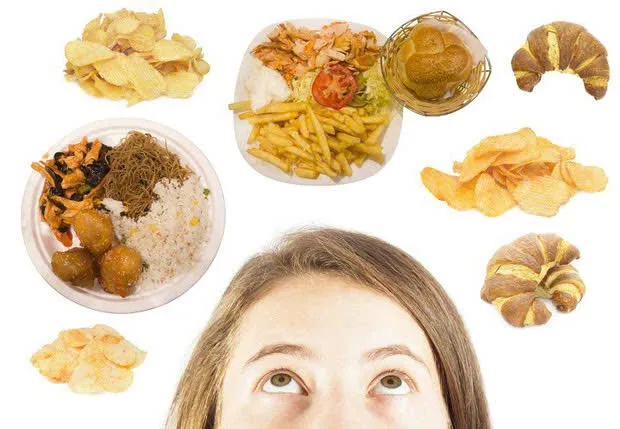

In the modern pace of life, it is not hard to see young people inviting each other to ride around the city at night. Some simply want to breathe in the cool air after a long day, while others see it as a way to relieve stress and ease the pressure of study or work. However, interestingly, after a few rounds around town, many people start thinking about milk tea, ice cream, pastries, skewers, or street snacks. Or simply scrolling through a few pictures and videos of food on social media is enough to make their stomachs “rumble.”
Is that a true hunger of the body, or just a craving created by the brain? To understand this clearly, we need to distinguish between two important concepts: biological hunger and psychological hunger.

Biological hunger (or physiological hunger) is the body's natural need to replenish energy and essential nutrients for vital functions. This is a signal regulated by the nervous system, hormones, and metabolism.
Some signs to recognize biological hunger include: appearing gradually after many hours without eating; a gnawing stomach, which might make a “rumbling” sound; feeling tired, having reduced concentration, or slightly shaky hands if left hungry for too long; sometimes people may feel nauseous (which also indicates your stomach might not be well)... You are ready to eat various types of food, not just one specific dish, and after eating enough, you will feel satisfied and stop.
Biological hunger plays a role in helping the body maintain stable blood sugar levels, providing energy for the brain, muscles, and organs to function normally.
Unlike biological hunger, psychological hunger (or emotional hunger) does not stem from a lack of energy in the body but comes from emotions, habits, or environmental stimuli.
Some emotions that easily trigger psychological hunger include: boredom, loneliness-induced stress, anxiety, work or study pressure, wanting to reward yourself after a long day, craving what others are eating, or seeing eye-catching food...
Psychological hunger usually appears very suddenly. A person might have just finished eating, but just seeing an appealing cake or hearing friends invite them for milk tea immediately makes them want to eat more.
A noticeable characteristic of psychological hunger is that the body often “craves exactly one specific thing”. If that item isn't available, the craving persists even though the stomach is not actually empty.
Psychological hunger is often accompanied by “eye hunger.” Perhaps many have experienced this situation: driving around town, passing a crowded food street, the smell of BBQ spreading everywhere makes you suddenly want to pull over. Or you just intended to scroll the internet for a few minutes, but after a series of ASMR videos, food reviews, or scenes of gooey cheese pulling, you end up opening a food delivery app.

This phenomenon is also known as “visual hunger”, where visual stimuli, scents, or memories of a dish cause the brain to create a desire to eat.
This does not mean the body is lacking energy. In reality, the reward system in the brain reacts to attractive images by releasing dopamine - a neurotransmitter that creates a sense of anticipation and excitement. Therefore, many people think they are hungry, but they are actually just being stimulated by their surroundings.
Why Do We Crave Sweets in Our Free Time?
A very common phenomenon is that whenever people are free or don't know what to do, they often think of sweet treats like milk tea, cakes, candies, ice cream... The causes can stem from several factors:
· The brain wants to find an activity that brings quick pleasure.
· Sweets stimulate the release of dopamine, creating a short-term feeling of comfort.
· Habits have been formed; for example, watching a movie must be paired with snacks or milk tea.
· Prolonged stress increases the hormone cortisol, making some people tend to seek foods rich in sugar and fat to feel “comforted”.
Therefore, frequently reaching for sweets during free time does not necessarily reflect that the body is lacking sugar, but could be a psychological reaction or a behavior reinforced over time.
Is Craving Sweets When Bored Caused by a Lack of Sugar?

This is a fairly common belief, but not entirely accurate.
If you have just eaten a full meal but want to drink milk tea or eat pastries just 30 - 60 minutes later, it is highly likely that this is not a sign of your body lacking sugar.
In most cases, sugar cravings when bored are related to: wanting to improve your mood, needing to find a novel sensation, recreational habits, or stimulation from images, smells, or advertisements.
Of course, there are also cases where the body truly needs an energy boost, such as after high-intensity exercise, fasting for too long, or in people with certain medical conditions affecting blood sugar. However, for a healthy person, a simple sweet craving is not proof that the body is “lacking sugar.”
Tips to Overcome Sweet Cravings
1. Drink a glass of water first: Sometimes thirst can be mistaken by the brain as hunger. Drink a glass of water and wait about 10 - 15 minutes before deciding to eat.
2. Pause for 10 minutes: Psychological hunger usually hits very fast but can also fade quickly if not satisfied immediately. Delaying for about 10 minutes gives you time to assess whether you are truly hungry or just wanting to eat emotionally.
3. Eat balanced main meals: A diet lacking in protein, fiber, or healthy fats can make you hungry faster and more prone to reaching for sweets between meals.
4. Substitute with healthier options: If you still want something sweet, prioritize fresh fruits, unsweetened yogurt mixed with fruit, dark chocolate with high cocoa content, or unsweetened nuts. These choices still satisfy your taste buds but provide extra fiber, vitamins, or beneficial fats.
5. Limit watching too much food content: If you notice that you want to order food every time you watch food review videos, proactively reduce your exposure to this content, especially at night.
6. Find alternative activities: When bored, instead of opening a food delivery app, you can:
· Take a 15 - 20 minute walk.
· Read a few pages of a book.
· Call a friend.
· Listen to music or a podcast.
· Play with a pet.
· Do some stretching exercises. These activities help redirect your attention and reduce emotional food cravings.
7. Allow yourself to enjoy it with control: Strictly forbidding sweets can sometimes make cravings stronger. Instead, you can enjoy a moderate amount, eat slowly, and savor the flavor rather than eating mindlessly.