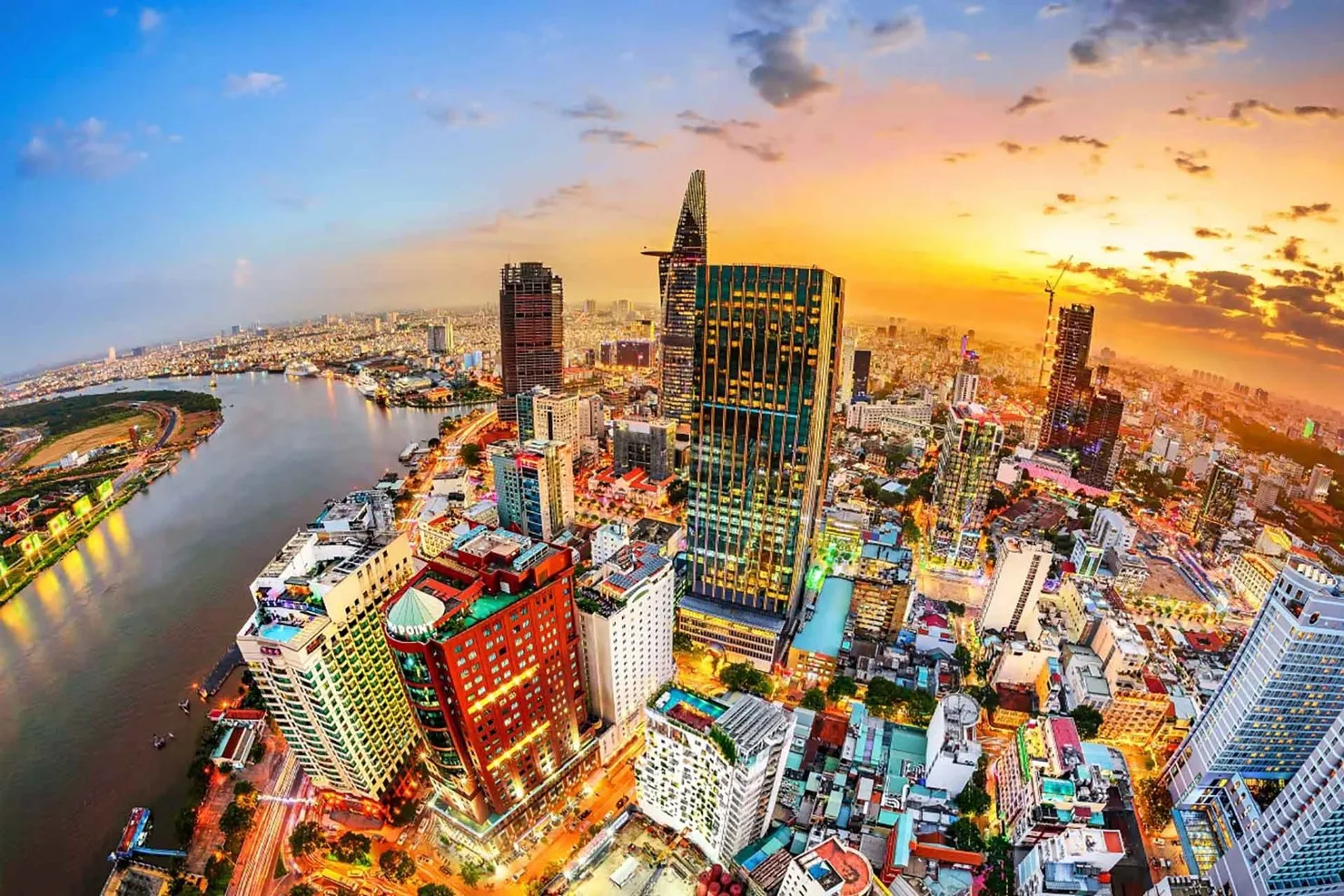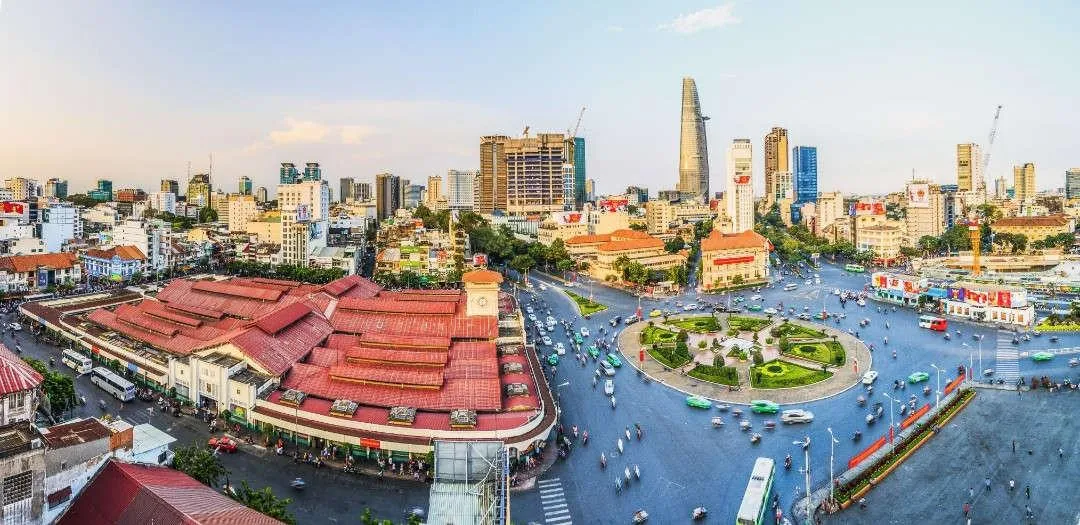

On international forums and global rankings, Vietnam is frequently celebrated as a "paradise" for the cost of living. Two-dollar bowls of pho, cups of coffee for under a dollar, and unbelievably cheap delivery services have left a profound impression on the international community. However, beneath the glamorous veneer of average statistics lies a harsh financial reality.
The truth is that the cost of living in Vietnam is only truly low for those who possess strong foreign currencies or the upper class with outstanding incomes. For the vast majority of workers earning an average domestic salary, maintaining a stable life in major cities is increasingly becoming a stressful equation of survival.
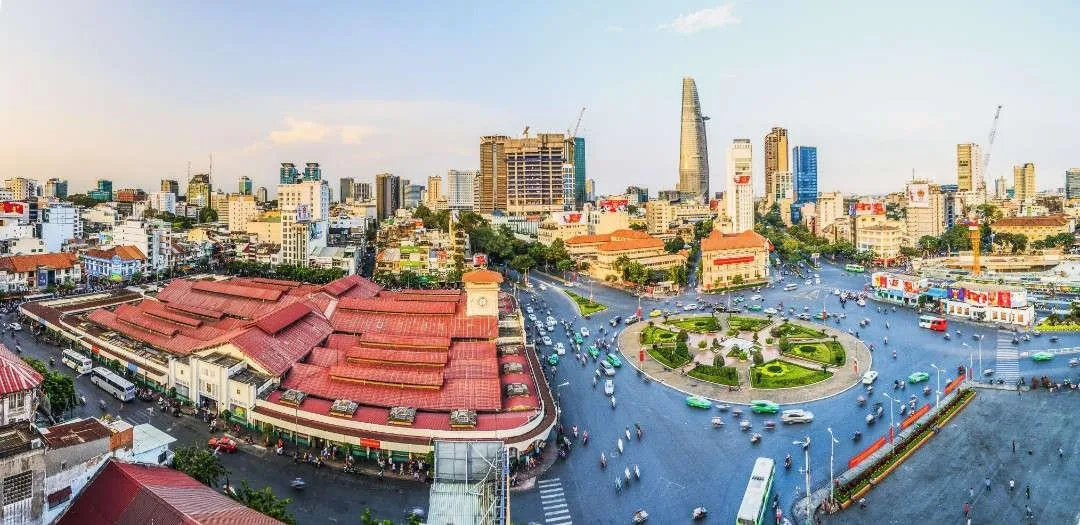
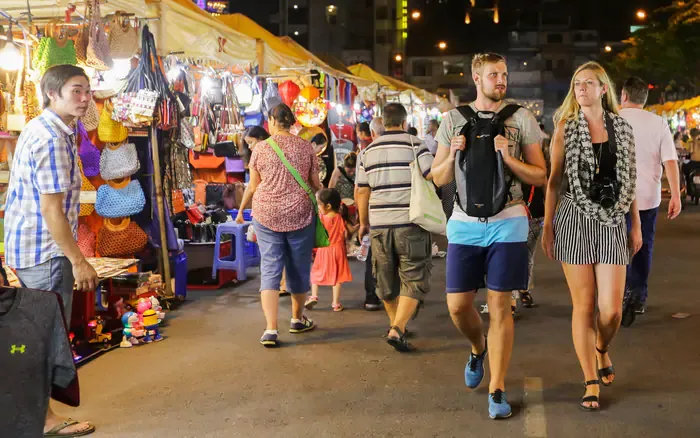
Looking at global data, such as the statistics platform Numbeo, Vietnam's cost of living is consistently ranked among the lowest in the world. This data is completely accurate if the evaluator uses a frame of reference based on strong currencies like the USD, EUR, or British Pound. However, the accuracy of these figures immediately collapses when we directly compare them to the actual income of the local people. The core concept to mention here is "purchasing power parity." A 50,000 VND bowl of pho might be incredibly cheap for a tourist earning $1,000, is a very modest figure compared to an equivalent standard of living in their home countries.
In stark contrast to that rosy picture is the anxiety-filled reality of domestic workers. According to in-depth studies by the University of Economics Ho Chi Minh City (UEH), the minimum living wage of Vietnamese people currently ranges from 5.7 to 12.9 million VND/month, depending on the province and living area. The gap between this "minimum living wage" and the "comfortable expenditure" of foreigners is a chasm. With an income hovering around the 7 to 10 million VND threshold, most of a worker's salary immediately evaporates into the most basic needs such as food, rent, gasoline, and utilities. They are left with almost no safety margin for unexpected risks or any surplus to reinvest or study to improve their skills.
Regarding the expenditure structure in megacities like Hanoi or Ho Chi Minh City, the "cheap cost of living" starts to reveal major loopholes, the largest of which is named real estate. In these economic hubs, housing costs are becoming an enormous burden. A young professional who recently graduated or has 2-3 years of experience, earning 10 to 15 million VND, often has to begrudgingly allocate 30% to 40% of their total monthly income just to pay for a cramped rented room or to share an apartment with many others. The growth rate of rental prices and real estate values consistently outstrips the growth rate of basic wages. This not only eradicates the ability to save but also pushes the younger generation's dream of homeownership into a state of near hopelessness, forcing them to accept lifelong renting with a massive fixed proportion of costs every month.
Many opine that public services in Vietnam are very cheap. However, that "cheapness" is often accompanied by severe overcrowding at frontline public hospitals or cramped conditions in public schools. When citizens need to upgrade their quality of life, seeking a better educational environment for their children or more attentive healthcare services, they immediately realize a cruel reality: the cost of high-quality services in Vietnam is not cheap at all; it is even exceedingly expensive.
The tuition fees of private preschools, bilingual schools, or international schools can consume a full month's or even several months' salary of middle-class office workers. Similarly, hospital fees at high-quality private hospitals or international-standard medical services are priced to serve top-tier income earners. As a consequence, middle-class workers are caught in a situation where public services are overloaded, while private services far exceed their sustainable paying capacity, turning incredibly basic needs like education and healthcare into luxury goods.
Finally, the expensiveness of Vietnam is most clearly evidenced by the prices of global consumer goods. Vietnamese consumers also have the desire to own modern technology gadgets, automobiles, cosmetics, or imported dietary supplements. However, tariff barriers, including import taxes and special consumption taxes, have driven the costs of these items to exorbitant heights.
An affordable car in the US can be easily bought with a few months' salary, but in Vietnam, that same car has to bear a series of taxes and fees, inflating the selling price double or triple, requiring the buyer to save up for decades. Even for essential tech devices like personal computers or smartphones, the listed prices in Vietnam are often equal to or even higher than those in developed countries. The paradox lies in the fact that Vietnamese people have to buy global goods at first-world prices but pay for them with third-world salaries.
Assessing whether the cost of living in Vietnam is expensive or cheap depends entirely on the income lens of the observer. If you hold USD, EUR, or belong to the top 5% of highest-income earners, this is indeed an ideal land to enjoy a rich life at a reasonable cost. But if you are an average worker, receiving domestic wages to shoulder rent and children's tuition, and yearning for quality services, then the cost of living in Vietnam is essentially an exhausting marathon with no clear finish line.