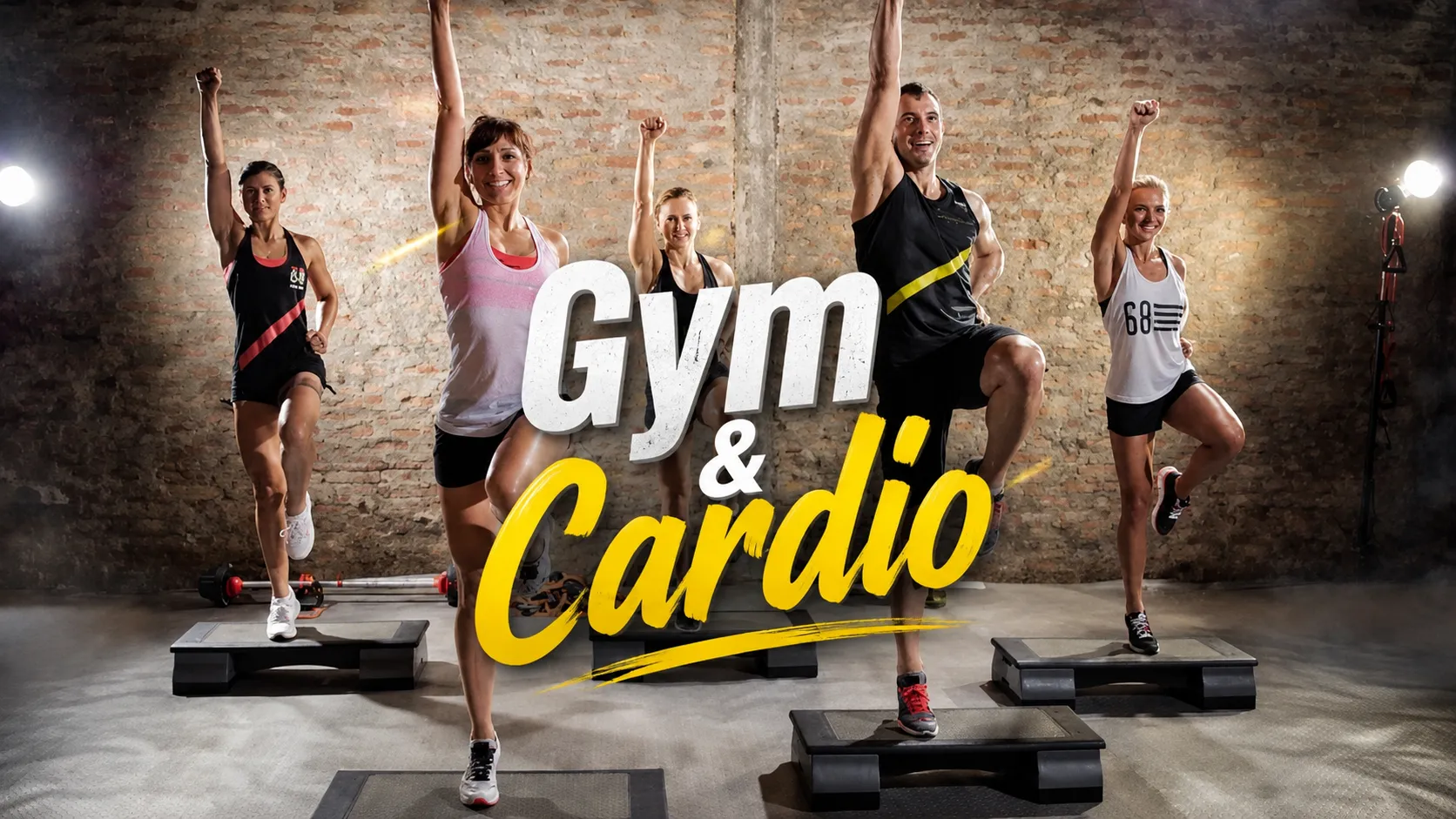

Weight loss is always a major goal for many people starting their fitness journey. However, quite a few individuals hesitate between two popular options: gym training (especially weightlifting) and cardio. Some believe cardio burns fat faster, while many others claim that gym training is the "key" to sustainable weight loss. So, which method is truly more effective? The answer depends not only on the form of exercise but also on nutrition, workout intensity, and individual goals.
What is Cardio?
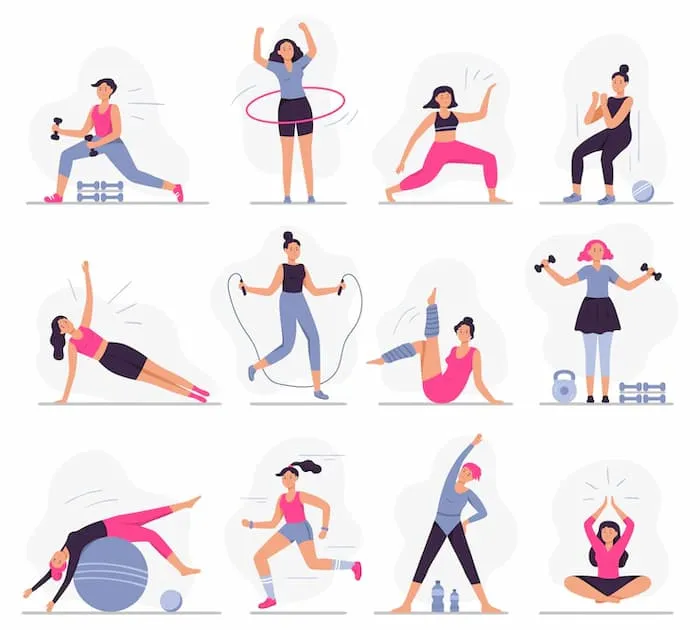
Cardio (Cardiovascular Exercise) refers to a category of exercises designed to elevate heart rate and improve cardiovascular health. Popular exercises include running, cycling, swimming, rope jumping, brisk walking, or aerobic classes.
During cardio, the body continuously consumes energy to sustain movement, burning a high amount of calories right during the workout. In addition to supporting weight loss, cardio helps improve cardiovascular health, increase endurance, reduce the risk of metabolic diseases, and boost overall physical fitness.
Does Gym Training or Cardio Help You Lose Weight Faster?
In reality, neither method is universally superior in every situation. Weight loss efficiency depends on several factors, including:
• Daily calorie intake and expenditure.
• Workout intensity and duration.
• Dietary regime.
• Rest and sleep duration.
• Individual body composition and muscle-to-fat ratio.
What Are the Advantages of Cardio?
Cardio typically burns more calories during an actual session. For instance, a person weighing around 70 kg can burn between 400 - 700 kcal after about an hour of moderate-to-high intensity running or cycling. Therefore, in the short term, weight may drop faster if cardio is maintained regularly alongside a proper diet.
However, relying solely on prolonged cardio without incorporating strength training can lead to muscle loss alongside fat loss. This slows down the metabolic rate, making long-term weight maintenance more challenging.
What Are the Advantages of Gym Training?
Gym training, particularly resistance training (weight training), generally does not burn as many calories during the workout as cardio does. However, its greatest benefit lies in maintaining and building muscle mass.
The more muscle mass you have, the more energy your body burns - even at rest. Additionally, after a high-intensity weight training session, the body continues to expend energy to repair muscle tissue (the EPOC effect), contributing to a higher total calorie burn throughout the day.
This explains why many people experience slower scale weight loss through gym training, yet their physiques become noticeably firmer and their body fat percentage drops significantly over time.

Given the Same Weight Loss Goal, Which Method is Faster?
If two individuals have:
• The same diet.
• An equivalent calorie deficit.
• Similar workout durations.
• The sole goal of reducing the number on the scale.
Then cardio usually leads to faster weight loss during the initial phase due to its higher immediate energy expenditure.
However, if the goal is to lose fat, preserve muscle, tone the physique, and prevent weight regain, combining gym training with cardio yields far better results than relying on either method alone.
In other words:
If you want fast short-term weight loss: Cardio has the advantage.
If you want sustainable fat loss and an improved physique: Gym combined with cardio is the optimal choice.
Suggested Gym and Cardio Routine for Effective Weight Loss
To achieve both fast and safe weight loss, consider the following plan:
• Gym training 3 - 4 sessions per week, prioritizing full-body compound exercises such as squats, deadlifts, bench presses, and rows to activate multiple muscle groups.
• Cardio 2 - 4 sessions per week, lasting 20 - 40 minutes each. You can alternate between moderate-intensity cardio and HIIT depending on your fitness level.
• Maintain a deficit of around 300 - 500 kcal per day through a balanced diet.
• Consume adequate protein (approximately 1.2 - 2.0 g/kg of body weight/day for active individuals) to support muscle retention.
• Get 7 - 9 hours of sleep per night and stick to a consistent schedule rather than overexerting yourself in a short burst.
Both cardio and gym training aid in weight loss, but they work through different mechanisms. Cardio burns a high number of calories during exercise, making it suitable for quick weight loss in the early stages. Meanwhile, gym training builds and maintains muscle mass, boosts metabolism, and supports long-term weight management. Weight loss success relies far more on total calorie balance, proper nutrition, and consistency than on choosing a single form of exercise alone.