
The journey toward earning a place at a top U.S. university is a long-term process that requires strategic investment in time, academics, and finances. Unlike education systems in many countries that place primary emphasis on the results of a single decisive examination, U.S. admissions officers evaluate applicants holistically through highly personalized application profiles.
For students currently attending high school, establishing a clear roadmap as early as 10th grade can significantly improve their chances of admission and securing valuable scholarships.
Grade 10: Building an academic foundation and discovering yourself
The first year of high school is a golden opportunity for students to determine their direction and establish a strong foundation for their future study-abroad applications.
Maintaining a strong GPA

A student's high school academic performance is one of the key factors U.S. universities consider when assessing academic ability. Students should aim to maintain a minimum GPA equivalent to 8.0/10, with an ideal range of 8.5-9.0 for those targeting highly competitive universities. Neglecting academic performance or focusing too narrowly on certain subjects during 10th grade can create a significant weakness that may be difficult to compensate for later.
Building English-language credentials
This is an appropriate time to begin intensive preparation for standardized English-language tests such as IELTS or TOEFL. The goal at this stage should be to become familiar with test formats while naturally expanding academic vocabulary and overall English proficiency.
Participating in purposeful extracurricular activities

Rather than joining numerous activities superficially, students should focus on one or two clubs or community projects that genuinely align with their interests. U.S. universities seek applicants who demonstrate consistent passion and clear leadership potential over time.
Grade 11: Breaking through and accelerating application preparation
11th grade is generally considered the busiest and most demanding year of the entire preparation process, and it plays a major role in determining the strength of a student's application.
Achieving target scores on standardized tests
Students should aim to complete their IELTS or TOEFL requirements and achieve their target scores during this year, with typical targets of 6.5-7.5 for IELTS or 80-100 for TOEFL. At the same time, students aiming for highly selective universities should seriously consider preparing for and taking the SAT or ACT. An SAT score of 1,450 or above can provide a significant competitive advantage in the admissions process.
Taking extracurricular activities to the next level
Students should move beyond simply participating as members and strive to take on leadership positions, such as team leaders or project managers, or initiate their own projects that create tangible value for the community. The depth and impact of these activities can become valuable material for future application essays.
Shortlisting universities and planning finances
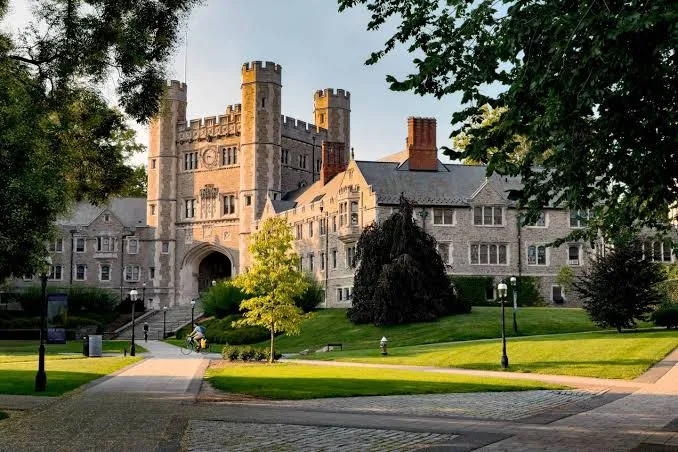
Families and students should sit down together to discuss the annual budget available for studying abroad. Based on academic qualifications and financial capacity, students can create a list of 10–15 universities, divided into three categories: reach schools, target schools, and safety schools.
Grade 12: Finalizing the application and submitting applications
Entering the final year of high school, every component of the application should be carefully refined before being submitted to admissions committees through platforms such as the Common Application.
Writing the personal essay

The personal essay is the heart of the application. It gives students an opportunity to demonstrate their personality, way of thinking, and unique personal story, qualities that grades alone cannot fully convey. Brainstorming, drafting, and revising the essay should begin during the summer before 12th grade to allow sufficient time for the content to mature.
Requesting letters of recommendation
Students should proactively approach two or three high school teachers who know their academic abilities and personal qualities well. A detailed and authentic recommendation letter from a teacher can significantly strengthen an applicant's credibility in the eyes of U.S. admissions officers.
Submitting applications according to deadlines
U.S. university admissions generally include several major application rounds. Early application deadlines often fall around November 1 or November 15 and may offer certain advantages in the admissions process. Regular Decision deadlines are commonly around January 1 of the following year. Students should manage their schedules carefully to ensure that no important deadline is missed.
After receiving admissions decisions: Financial preparation and the visa interview
When admission letters arrive around March or April, the study-abroad journey enters its final legal and administrative stages.
Comparing and choosing a university
Students should compare financial aid packages, scholarships, and campus environments among the universities that have offered admission before making their final decision. Once a choice has been made, they generally need to submit the required enrollment deposit by the university's stated deadline, often around May 1.
Applying for an F-1 student visa

After receiving the Form I-20 from the university, students can complete the DS-160, pay the SEVIS fee, and schedule a visa interview at a U.S. Embassy or Consulate. Practicing how to answer interview questions confidently and clearly, demonstrating a genuine academic purpose, and being able to explain their plans after studying in the United States are important elements of a successful student visa application.