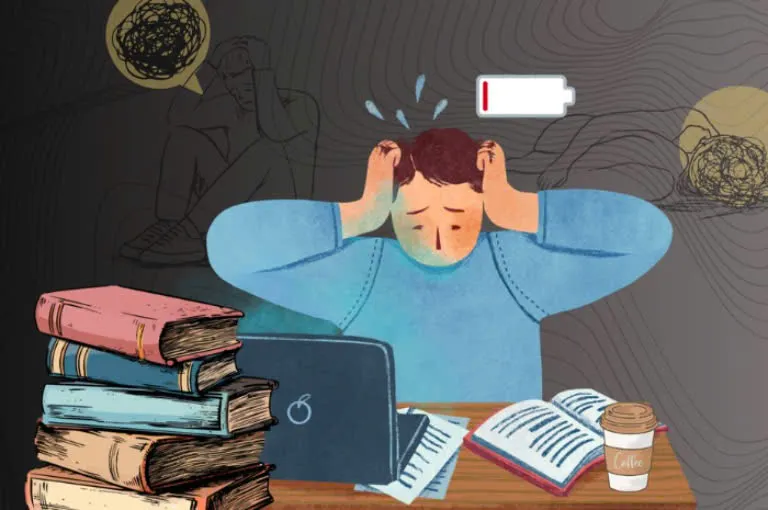

In an era when the world moves by the second on smartphone screens, young people are facing an invisible yet intense psychological battle.
Whether walking down the street, sitting in a café, or even attending classes or working in an office, it is not difficult to spot young people glued to their phones, constantly scrolling and refreshing their social media feeds. Behind this seemingly unconscious behavior lies more than just a desire for entertainment. It is often driven by a psychological phenomenon known as FOMO.
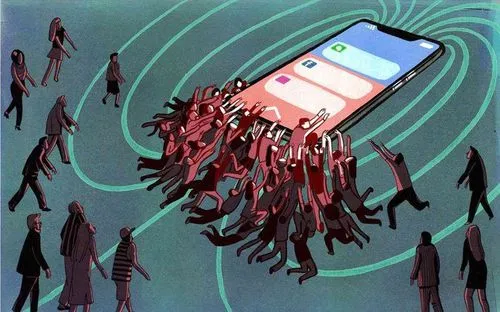
As a prominent phenomenon in media and social psychology, FOMO is reshaping how Gen Z experiences life, influencing everything from emotions and consumer behavior to major career decisions. This makes them one of the groups most vulnerable to the fear of being left behind.
Understanding FOMO
Conceptually, FOMO (Fear of Missing Out) refers to the anxiety, restlessness, and persistent unease people experience when they believe others are having more exciting experiences, seizing better opportunities, or living more "fulfilling" lives than they are.
This phenomenon has actually existed for a long time as a natural form of social comparison. However, it was formally identified by Dr. Dan Herman in 1996 and later gained widespread recognition when it was added to the Oxford Dictionary in 2013. In psychology, FOMO is more than a fleeting feeling of envy. It reflects a negative perception of one's own social standing, accompanied by feelings of inadequacy and the fear of being excluded from the wider community.
FOMO manifests itself in many ways and permeates nearly every aspect of daily life. It can take the form of repeatedly checking a phone without thinking, even when there are no specific notifications, or feeling intensely anxious when disconnected from the Internet for just a few hours out of fear of missing important news or a trending topic.
More seriously, FOMO strongly influences people's choices. It can lead them to agree to attend parties even when physically exhausted, pursue superficial relationships simply to fit in with the crowd, or make impulsive financial investments and shopping decisions driven by herd behavior rather than their actual needs or financial capabilities.
To understand why Gen Z has become particularly vulnerable to FOMO, we need to examine the unique environment in which they grew up. Gen Z is the first generation of digital natives to come of age alongside the rise of the Internet, smartphones, and social media platforms such as Facebook, Instagram, and TikTok. Unlike previous generations, whose access to information was largely limited by the physical world, Gen Z's lives are closely intertwined with the online world around the clock. Constant exposure to an overwhelming flow of information has inadvertently turned social media into a giant distorting mirror, continually displaying the most polished versions of other people's lives.
On these platforms, users tend to share only their most glamorous moments and impressive achievements, such as luxurious vacations, rapid career advancement, or expensive designer goods. This selective presentation creates a distorted virtual reality, making young people vulnerable to the trap of social comparison when scrolling through social media. They compare their own everyday lives, full of worries and imperfections, with other people's carefully edited highlight reels.
Social media algorithms designed to maximize engagement repeatedly promote eye-catching content and trends that change from day to day. This further reinforces Gen Z's nagging feeling that they are falling behind, sitting on the sidelines, and missing out on the best experiences of their time.

Beyond technology, modern psychological dynamics and social pressures also provide fertile ground for FOMO to take root among Gen Z. During their late teens and early twenties, young people have a strong need to establish their identities and a deep desire to belong to a community and fit into a group. Psychological surveys suggest that peer pressure has been amplified many times over in the digital age. When Gen Z sees their peers showing off certificates, awards, or successful startups, they can easily fall into a cycle of self-blame, worrying that they have chosen the wrong major, joined the wrong company, or taken the wrong path in life.
The overwhelming number of choices available in an open world also creates a paradox: the more opportunities young people have, the more afraid they become of making decisions because choosing one option means potentially missing out on another that might be better. To ease this fear, many adopt a multitasking lifestyle, trying to juggle too many projects, enroll in too many courses, and chase every investment and consumer trend in the hope of accumulating enough achievements to avoid falling behind. As a result, they become physically and mentally exhausted, yet what they gain often amounts to superficial experiences that lack depth and fail to help them establish lasting core values.
Negative consequences for mental health and consumer behavior
Living in a constant state of alertness and restlessly checking phones at night can lead to chronic insomnia, headaches, and reduced ability to concentrate deeply on studies and work.
FOMO can also trigger impulsive shopping among young people. The fear of missing out, combined with digital marketing tactics such as flash sales, limited-quantity offers, and trend-review videos from KOLs and influencers, has driven more than 60% of young people to spend money on luxury items that are not genuinely necessary. Spending beyond their financial means simply to establish their status and prove that they are "keeping up with everyone else" can push them into a cycle of debt and financial instability. It can also intensify feelings of regret and emptiness after the brief satisfaction of a shopping spree fades.

Finding peace by embracing JOMO
Today's youth wellness movement is seeing a positive shift in mindset as young people begin learning to let go of FOMO and embrace JOMO (Joy of Missing Out).
JOMO encourages young people to practice mindfulness, disconnect from digital devices more often, and learn to appreciate the values and genuine moments of happiness already present in their surroundings, rather than constantly watching other people's lives unfold online.