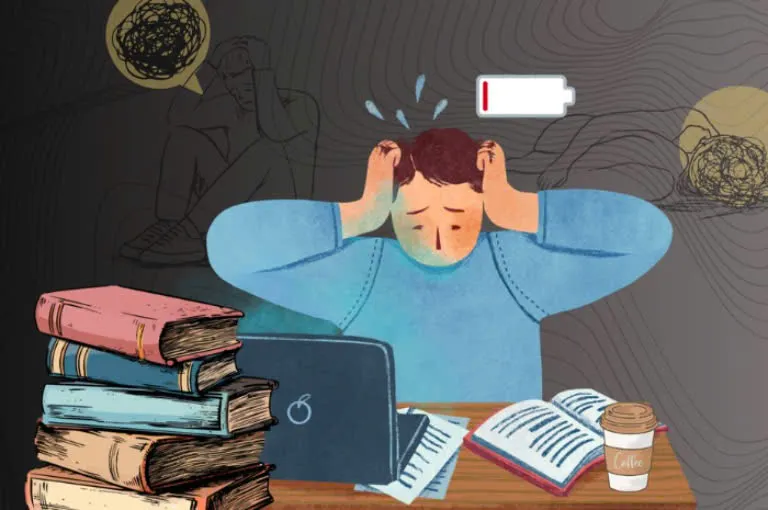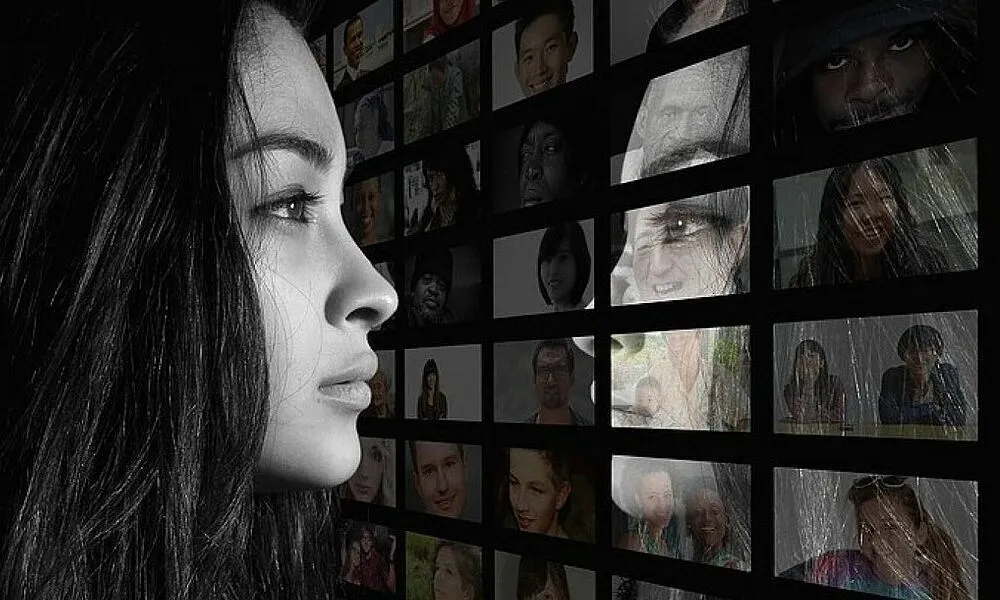

In a world that never stops moving, have you ever felt a pang of sadness when you see someone your age buying a house, getting promoted, or simply sharing a happy moment with their family?
The emergence of digital platforms has not only changed the way people connect but also turned life into a giant stage where highlights are constantly on display. Without realizing it, we are pushed into a familiar psychological trap: comparing ourselves with others and hurting ourselves in the process.
Behind the trend of social comparison
The tendency to compare ourselves with others is not simply a bad habit or a sign of selfishness. At its core, it is a psychological and biological mechanism that has evolved alongside humans over millions of years. In prehistoric times, observing and evaluating the abilities of other members of a tribe was essential for survival. It helped people determine their social standing and adjust their behavior to cooperate with others and improve their chances of survival.
In 1954, social psychologist Leon Festinger first introduced the Social Comparison Theory. According to his research, humans have an inherent drive to evaluate their opinions and abilities accurately. When objective, measurable standards are unavailable, we are compelled to assess ourselves by comparing our position with that of those around us.
This process can be divided into two main types: upward comparison and downward comparison.
While downward comparison with people perceived as less successful or less capable can temporarily soothe the ego or boost self-esteem, upward comparison with those who appear to be doing better can easily lead to anxiety, self-criticism, and doubts about our own worth. The desire to affirm our value, pressure from social norms, the need for recognition, and an underlying lack of self-confidence all act as catalysts, keeping this seesaw of comparison in constant motion.
Social media and the distortion of reality
In the past, a person's circle of comparison was limited to their family, neighborhood, or school. Today, however, the internet and social media have expanded those boundaries almost infinitely. There is no denying that social media has become one of the biggest accelerators of social comparison, constantly exposing users to carefully curated highlights from other people's lives.
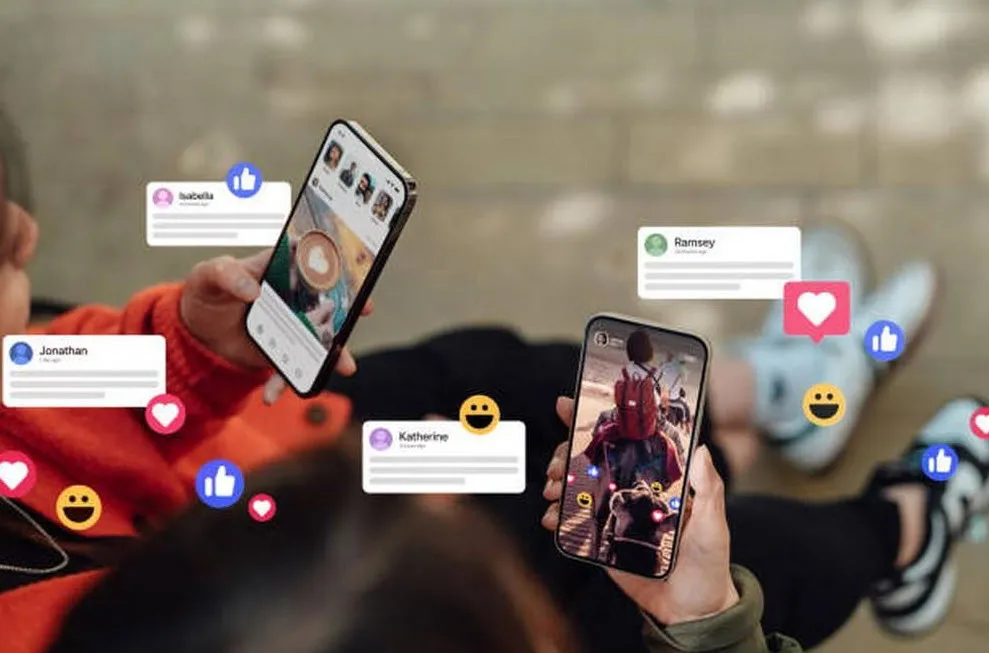
Most people tend to share the best parts of their lives online: a promotion, a luxurious vacation, or a newly renovated home. The daily struggles, failures, and ordinary imperfections of life are often kept out of sight. This profound imbalance quietly turns other people's exceptional highlights into a perceived "social norm," leaving you with the mistaken impression that you are falling behind.
In reality, we are not comparing our entire lives with the real lives of others. Instead, we are placing our awkward moments and imperfect behind-the-scenes experiences against other people's polished, carefully edited highlight reels. The persona displayed online is not a complete reflection of who someone truly is. Confusing idealized images with unfiltered reality is one reason many young people today experience emotional exhaustion, lose their enjoyment of life, and face an increased risk of depression.
The hidden consequences for mental health
Maintaining a habit of toxic comparison is like drinking poison ourselves and waiting for someone else to suffer. When our minds are constantly consumed by other people's achievements, we inadvertently nurture negative thoughts and erode our capacity for self-compassion. According to some psychological statistics, more than 75% of people admit to having experienced feelings of envy or jealousy within a one-year period. Prolonged envy does not necessarily motivate personal growth. On the contrary, it can hinder progress and trap us in a cycle of harsh self-criticism.
When our self-esteem hits rock bottom, we begin to see ourselves as inadequate in almost every situation. Every personal effort seems overshadowed by someone else's online success. The fear of failing to meet society's expectations, combined with the growing acceptance of our own feelings of inferiority, can gradually develop into complex psychological issues, such as impostor syndrome or social anxiety.

Learning to stop comparing ourselves with others is not a switch that can be turned on or off overnight. It is a sustained journey that requires persistent effort to change our mindset and habits.
Instead of looking at how far others have come, open the journal of your own life and reflect on how much you have grown over the past year or five years. Everyone follows a different timeline and learns different lessons along the way. Forcing yourself into someone else's mold is deeply unfair to all the effort you have put in over the years.
In addition, practicing gratitude every day can serve as an antidote to envy. Take time to appreciate what you already have, from your health and the genuine relationships around you to the unique skills that only you possess. When you focus on your strengths and nurture them, you build greater inner resilience. You can also transform the negative energy of comparison into a healthy source of motivation and learning. Instead of envying other people's success, congratulate them sincerely and see their achievements as evidence that those goals are possible when you make the right efforts.
Finally, one of the most practical steps in this digital age is to be selective about the content you consume and establish boundaries with social media. If giving up the virtual world entirely is unrealistic, have the courage to hit the "unfollow" button or mute accounts that consistently leave you feeling anxious, insecure, or emotionally drained. It is important to create a healthier social media environment that serves your needs, while also participating in real-world activities, such as hobby clubs and sports, that allow you to connect with people authentically.