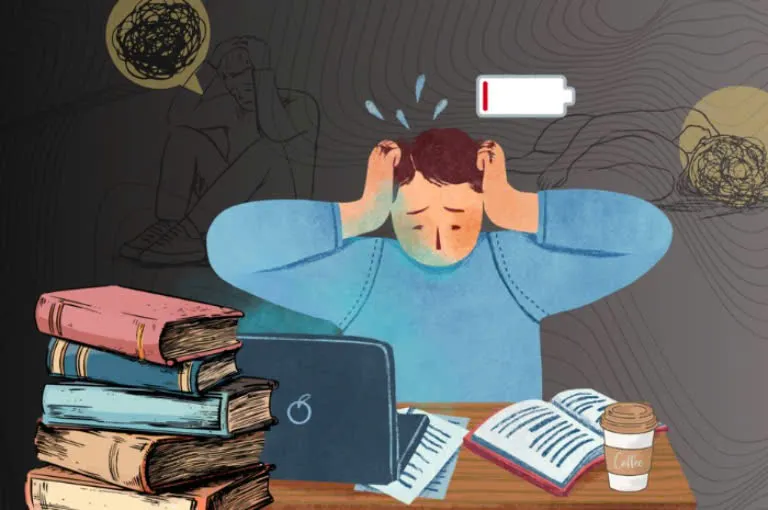


The modern workplace has never been merely a physical space for transactions of labor in exchange for material compensation; its profound essence is an invisible battlefield, where personal energy fields constantly collide, intertwine, and tear at each other. In that harsh vortex, the exhaustion of a wage earner rarely stems from mere physical fatigue or a mind overloaded by pure workload. On the contrary, it is the result of a silent yet brutal erosion, forcing adults to realize a truth: the core survival skill lies not in time management or flaunting talent, but in the art of mastering and "conserving energy" for oneself.
The naked truth reveals that the enemies draining our vitality usually do not manifest in the form of unfinished plans or pressured sales targets. They hide subtly under the guise of "energy black holes" in the shape of people and environments. Those are the pointless, dragged-out meetings held merely to satisfy the ego of the person in charge; the undercurrents of gossip and judgment waiting to surround the coffee machine; or the indiscriminate emotional dumping from colleagues who perpetually carry a victim mentality. Even having to put on a mask of fake friendliness to navigate the political calculations of the office is enough to completely drain one's enthusiasm. This fatigue seeps deep into every cell, so persistent and toxic that no deep sleep or weekend getaway can easily cleanse it.
Facing the threat of daily encroachment, forging a shield to protect personal energy becomes a mandatory survival reflex. This art of protection does not lie in a bristling attitude, harsh rejections, or isolating oneself into a lonely oasis. The pinnacle of self-defense is the ability to establish invisible yet rock-solid boundaries. It is the subtlety in maintaining a safe distance from negative currents: smiling and listening but absolutely not giving away emotions to be dragged into the vortex of drama, knowing how to reject unreasonable demands gently yet decisively.
The wise in the workplace learn the art of mental restraint, not carelessly dispensing empathy or squandering their mental energy on unworthy battles, keeping their inner world as tranquil as a still lake despite the storms of the collective.
A lifelong career is a journey of ten thousand miles, not a short sprint. To go the distance without collapsing, one must shift their mindset from self-exploitation to a state of sustainable working. This means letting go of the illusion of an explosive dedication, draining every neuron just in exchange for the momentary praise of superiors. Instead, sustainable work requires a rhythmic pacing: knowing how to pour all efforts into decisive moments, yet having the fortitude to step back, disconnect, and nourish the body and mind.
When one knows how to cherish and preserve the flow of vitality within themselves, work will no longer be a sentence that wears away one's youth, but will return to its rightful place: a vehicle for humans to calmly create value without losing their own essence.