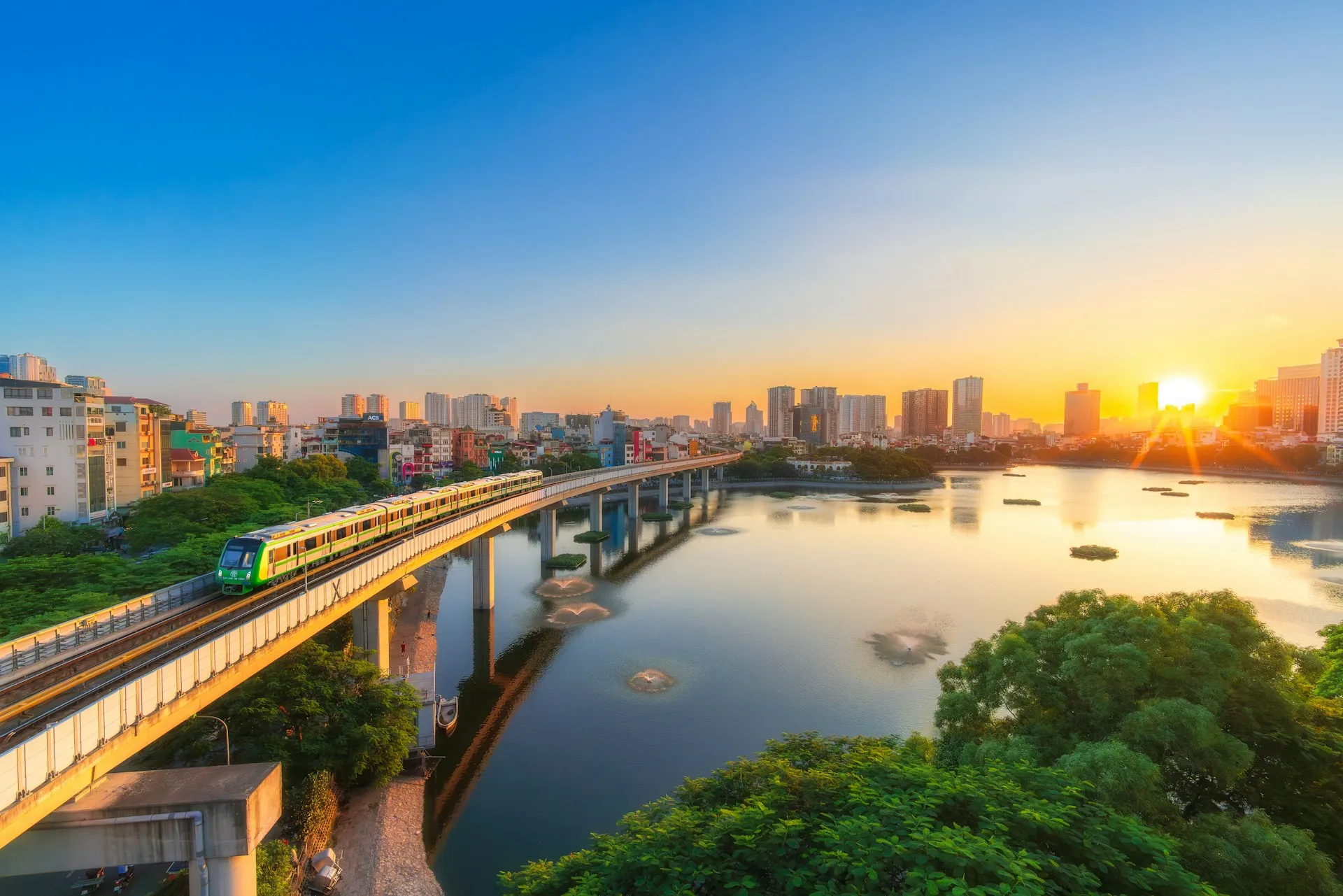
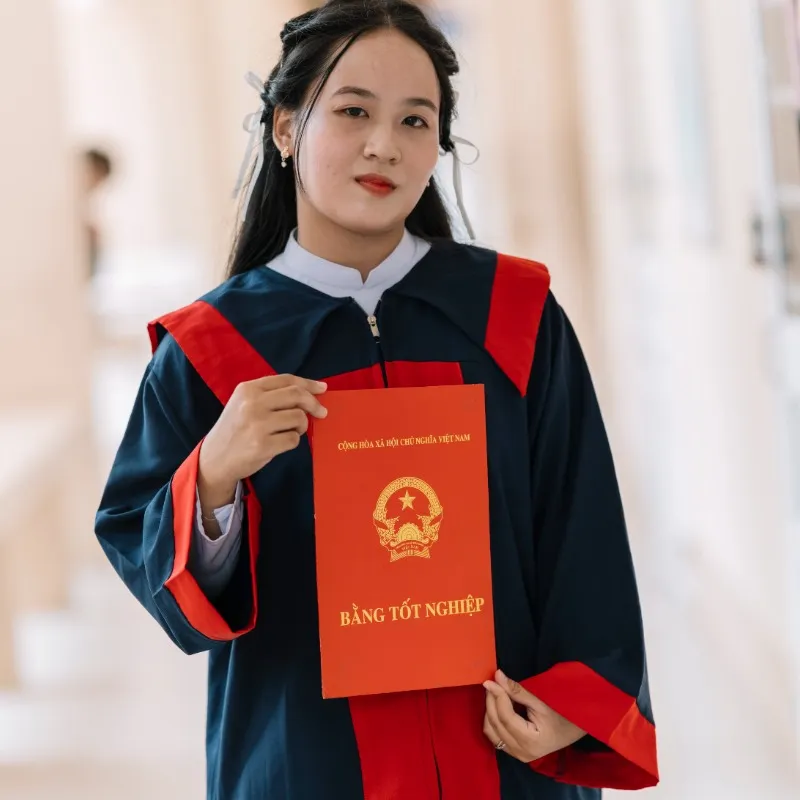
Vietnam's education system is witnessing a historic transformation. No longer simply a country that sends students to study abroad, Vietnam is breaking through to become a promising educational destination, officially making it onto the list of the "8 new-generation study abroad destinations" in the world based on the assessment of the international education platform EduOpinions.
With the shift in global study-abroad flows toward dynamic markets in Southeast Asia, Vietnam possesses core strategic advantages to attract international human resources, ranging from cost optimization and academic standardization to economic potential and rich cultural experiences.
Optimizing study costs and the economic equation for international students
Vietnam's biggest and most direct competitive advantage compared to traditional destinations in Europe or North America is the cost factor. For an international student, the total budget for studying in Vietnam always remains within a highly reasonable limit while still ensuring quality. Tuition fees at leading public and private universities, especially in high-quality or international joint programs, are only 1/3 to 1/5 of the cost of studying directly in the program's home country.
Alongside affordable tuition fees, living expenses in major Vietnamese cities like Hanoi, Ho Chi Minh City, or Da Nang are very low compared to the global average. Affordable prices for services, food, transportation, and accommodation help international students, especially self-funded ones or those from developing countries, alleviate financial pressure. This cost optimization allows learners to focus entirely on their academic and research pathways without being burdened by post-graduation debt.
Breakthroughs in academic rankings and educational internationalization
Vietnam's appeal does not stop at low costs but also lies in its remarkable advancement in the quality of higher education. The system of major Vietnamese universities, such as Vietnam National University, Hanoi; Vietnam National University, Ho Chi Minh City; Ton Duc Thang University; and Duy Tan University, consistently climbs the ranks of prestigious global academic rankings like QS and Times Higher Education. This international recognition is clear evidence of scientific research capabilities and teaching quality that are increasingly approaching strict global standards.
Furthermore, the strategy of educational internationalization is being comprehensively promoted. The expansion of numerous majors taught entirely in English helps eliminate language barriers for global students. International university models or franchised programs granting international degrees (like RMIT University) allow students to earn globally recognized degrees right here in Vietnam.
The diversification of learners is also changing noticeably: Vietnam is not only a familiar destination for students from Laos and Cambodia, but currently also attracts a large number of Indian students studying medicine, African students pursuing postgraduate degrees, and European and American students participating in short-term cultural exchange programs.
Expansive career opportunities
A country's educational appeal always goes hand in hand with its economy, and Vietnam possesses a highly attractive macroeconomic landscape.
In terms of security, Vietnam is highly regarded by the international community as a safe, peaceful, and politically stable destination, giving parents and international students complete peace of mind when living abroad. The impressive GDP growth rate coupled with a strong wave of FDI influx has turned Vietnam into a massive hub for multinational corporations and global supply chains.
This dynamic economic environment directly benefits international students in the form of career internship opportunities. International students studying here have direct access to a global business network, participate in real-world projects, and accumulate work experience in a rapidly growing market. Its position as a trade gateway to Southeast Asia, conveniently connected to major markets like China, Japan, and South Korea, also opens up a vast international networking system for students after graduation.
Authentic cultural experiences and open Government policies
An unignorable factor creating Vietnam's attractiveness is its cultural depth and abundant nature. International students come to Vietnam not only to get a university degree but also to experience a balanced life with a diverse culinary scene, hospitable people, and world-class landscapes from Sa Pa and Ha Long to the beaches of Central Vietnam. Easy cultural integration helps foreign students quickly adapt and develop soft skills in a multicultural environment.

Clearly recognizing the importance of attracting international talent, the Vietnamese Government and the Ministry of Education and Training have continuously introduced open policies. Many full and partial scholarship packages from the state budget as well as university study promotion funds are being strongly implemented. At the same time, the student visa issuance process has been improved toward simplifying administrative procedures and shortening the processing time, creating the most favorable conditions for international students to enter and study long-term.
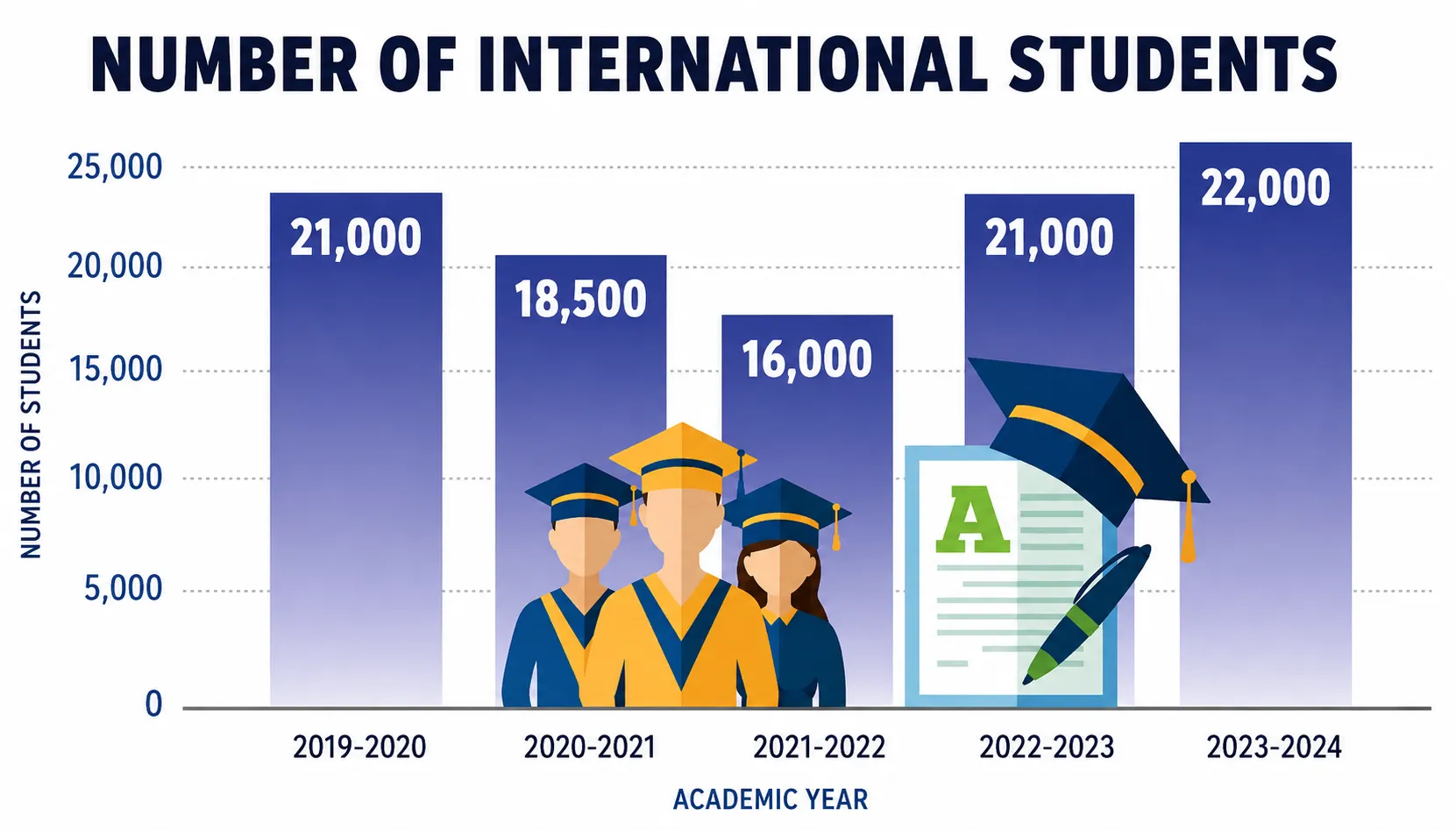
At the International School (VNU-IS) under Vietnam National University, Hanoi and the International University (VNU-HCM), the number of full-time self-funded applications from foreign students has recorded steady growth over the years.
Rajesh K., a medical international student from Kerala state (India), shared: "Before making my decision, I heavily weighed studying abroad in Eastern European countries versus choosing Vietnam. In the end, I chose Vietnam because the medical program here is taught entirely in English according to a standard international curriculum framework, yet the total tuition and living expenses are only 1/3 of those in Eastern Europe. The living environment in Vietnam is extremely safe and friendly, and the cost of food and accommodation spares my family from heavy financial pressure. This gives me the most comfortable state of mind to focus on clinical research at the hospital."