
The United States has long been a shining symbol in the minds of many generations of Vietnamese people, evoking a vision of a prosperous, modern life filled with opportunities to change one's life.
However, once the plane lands and the initial excitement fades, the reality of life on the other side of the globe begins to emerge through intense cultural clashes.
Loneliness and individualism

The nature of individualism and self-reliance in the United States means that each person manages their own life. Children often move out when they turn 18, and aging parents are not automatically expected to live with their children and grandchildren. Americans place great importance on personal privacy, meaning relationships between neighbors often stop at polite nods and greetings that remain courteous but distant.
The absence of a familiar emotional support network, combined with the frantic pace of industrial life, where everyone is busy with their own work, can easily push newcomers into a state of depression, making them feel completely invisible and isolated in the land of the Stars and Stripes.
The financial maze, credit scores, and the fear of “bills”
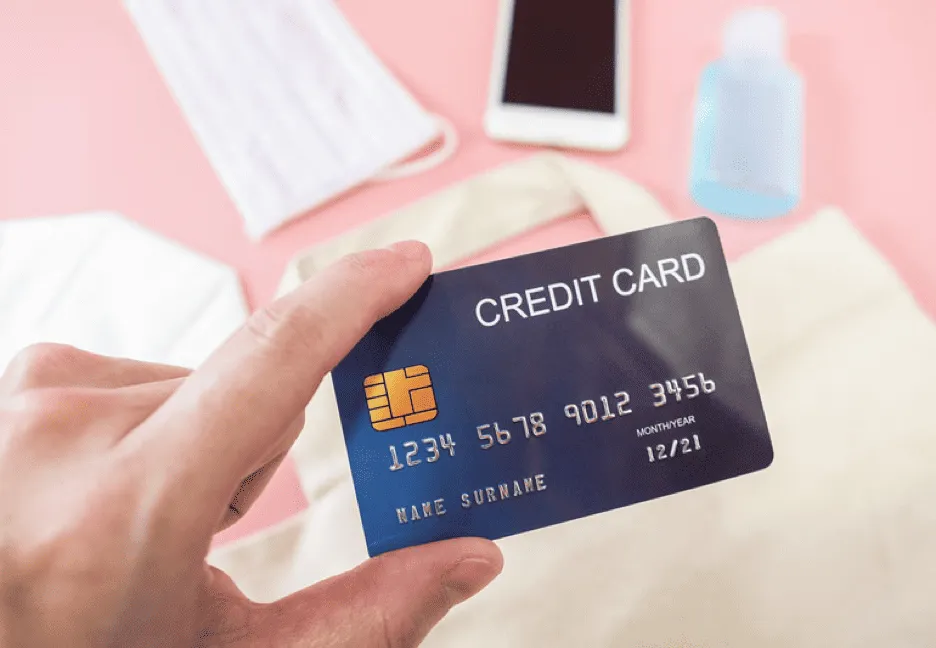
Many Vietnamese people moving to the United States bring with them habits of spending cash or accumulating assets in traditional ways, completely unprepared for a financial system that operates heavily around credit scores.
In the United States, a credit score is essentially a second identity card, determining whether you can rent a decent apartment, finance a car, or even apply for certain jobs. Newcomers face a paradox: without a credit history, it can be difficult to obtain a credit card, but without a credit card, it is impossible to build a credit score.
On top of that comes the suffocating pressure of recurring bills, from health insurance, car insurance, and property taxes to the smallest living expenses. Every mistake or delay in payment is recorded and financially penalized by the system, keeping life in a constant state of stress and meticulous calculation, quite different from the flexibility at home, where payments can sometimes be delayed or negotiated.
Language barriers and communication styles
Confidence in one's foreign-language abilities, based on high scores on international certificates in Vietnam, is often quickly brought back down to earth as soon as one leaves the airport. The real-world English spoken by native speakers, with its dizzying speed, slang, local accents, and swallowed sounds, can leave many people in a state of confusion, understanding only a few words from an entire lengthy conversation.
Even more intimidating than the language barrier is the difference in communication styles. Vietnamese people are accustomed to speaking indirectly and using subtle hints to maintain harmony and preserve each other's dignity. Americans, by contrast, place great value on being straightforward, direct, and getting to the heart of the matter. In work or academic environments, criticism and feedback from supervisors or colleagues are often delivered clearly and without sugarcoating, which can sometimes leave Vietnamese people feeling deeply hurt or perceiving it as rude or personally insulting behavior.
The pressure of strict service standards
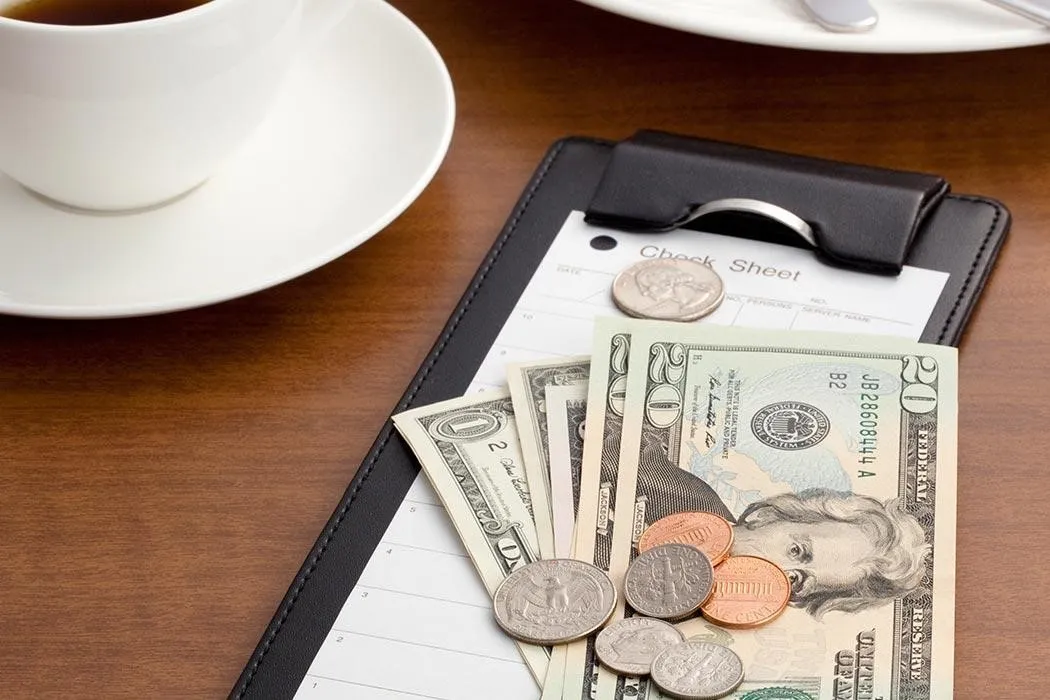
The American social system operates according to strict behavioral standards that, if you fail to adapt quickly, can make you appear out of place or disrespectful toward others. A typical example is tipping culture, an expense that is almost mandatory and accounts for 15% to 20% of the total bill at restaurants, for rideshare drivers, or for service workers.
For Vietnamese newcomers, having to pay a large additional amount beyond the original listed price can feel painful and confusing. In the United States, however, this is a primary source of income for workers in lower-paid sectors, and failing to tip is considered seriously impolite.
Alongside this is the strictness surrounding time. The concept of “rubber time,” which is relatively common and often tolerated in Vietnam, is virtually eliminated in the United States. Punctuality is elevated into a measure of professional ethics and professionalism. Being just a few minutes late to a meeting, job interview, or doctor's appointment can mean losing an opportunity or having an appointment canceled while still being required to pay the full cost.
The lesson of self-reliance
In Vietnam, an individual's life is closely intertwined with support from extended family, relatives, and close friends. When facing financial, work, or childcare difficulties, there are often people ready to lend a helping hand out of a sense of personal connection and affection.
But in the United States, the ultimate philosophy of life is self-reliance. There is no expectation that relatives or friends will take responsibility on your behalf, nor that bosses or colleagues will proactively advance your career if you do not advocate for yourself and demonstrate your individual abilities.
Many people who move to the United States to settle have to accept the harsh reality that they must do everything themselves: from repairing their homes and taking care of their children without grandparents or domestic helpers, to finding their own path in their careers. This matter-of-fact approach forces each individual to transform and become stronger, but during the transition, it can leave behind a profound sense of disappointment and vulnerability when they realize that in this land, no one will save their life except themselves.