
The rise of dating apps in the digital age has transformed the search for love into a stroll through a giant “supermarket of human beings.”
Never before in history have people possessed such enormous power to connect, being able to access thousands of other single profiles with just a few swipes. This abundance is advertised as an ideal solution for increasing the chances of finding the perfect “other half.”
However, this excess of choices is precisely the biggest barrier causing us to constantly swipe past and miss people who are genuinely compatible with us. Having an endless list of potential partners does not increase the likelihood of success. On the contrary, it is quietly restructuring users’ brains, making them more demanding and more willing to give up.
At the core of missing out on meaningful connections online is a fundamental change in the brain’s cognitive mechanisms when faced with information overload. Scientists refer to this phenomenon as the “paradox of choice,” a classic concept established by psychologist Barry Schwartz, which points out that having too many options does not make people happier but instead leaves them in a state of decision paralysis.
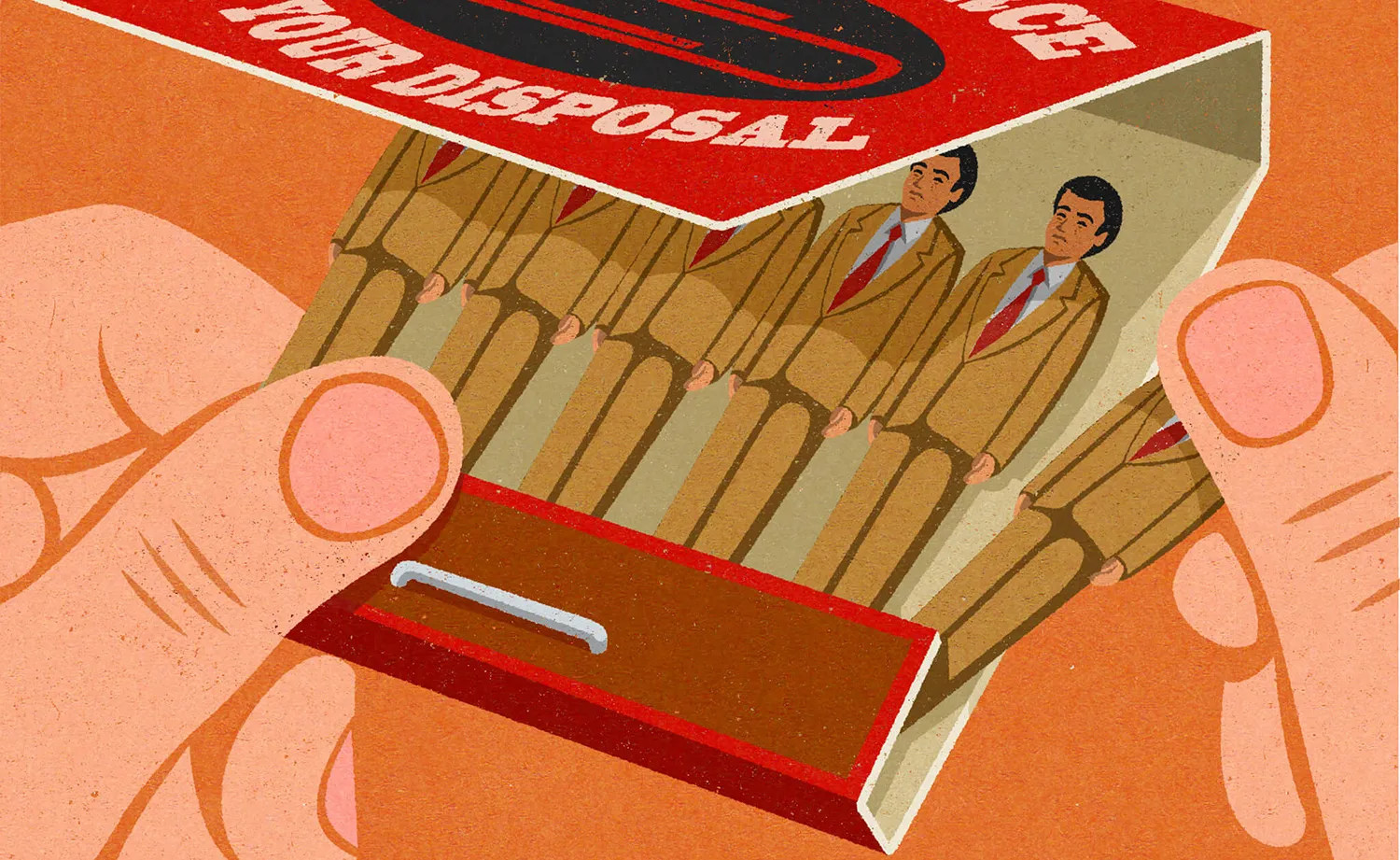
When users swipe through a continuous stream of profiles, their rate of accepting a potential match decreases by an average of up to 27% from the first profile to the last. The reason is that the constant appearance of new faces creates a powerful illusion that the supply is endless, unconsciously shifting users from a state of “looking for reasons to connect” to “looking for flaws to eliminate.” As a result, someone who is genuinely compatible and possesses profound inner values can easily be harshly swiped left simply because of a minor detail that does not look appealing in a photo or a profile description that is not polished enough.
Choice overload not only makes people more demanding when swiping, but also seriously weakens their ability to nurture a relationship after they have already matched. The nature of a healthy relationship in real life always requires time, patience, and a certain degree of tolerance for two different individuals to reconcile their differences. However, the digital space, with dozens of matches waiting in the inbox, creates a consumer mindset toward relationships, in which people view others as easily replaceable products.
When faced with a minor disagreement during the first conversation or an imperfect personality trait in the other person, users, instead of choosing to stay, understand each other, and work things out, choose to withdraw by silently disappearing because they believe that simply returning to the app and continuing to swipe will provide another, more perfect option. This lack of patience causes them to shut the door on people who could have been remarkably compatible if given the opportunity to get to know each other more deeply.
An experimental study from the University of Wisconsin-Madison found that people who chose a life partner from a large group of options, such as 24 people, tended to feel less satisfied with their choice and were more likely to change their decision than those who chose from a smaller group, around 6 people. This regret and doubt arise from FOMO, causing users, even when engaged in an exceptionally compatible conversation with someone who seems right for them, to remain distracted by the question of whether the next swipe might reveal someone even better.

From a systemic perspective, dating apps are commercial products designed to keep users engaged rather than free them from being single as quickly as possible. The algorithm’s intermittent reward system continuously delivers new matches to stimulate dopamine production in the brain, creating an addictive sensation similar to playing video games for entertainment. Users gradually become addicted to the feeling of being pursued, swiping, and accumulating matches in the virtual world rather than actually stepping into the real world to build a serious relationship.