
Most Vietnamese people traveling abroad for the first time tend to feel confident in their domestic travel experience and overlook the small practical details of life in a foreign country. In reality, the biggest problems abroad rarely come from language barriers, but rather from everyday habits or a lack of understanding of international regulations.
1. Passport validity and invisible entry requirements
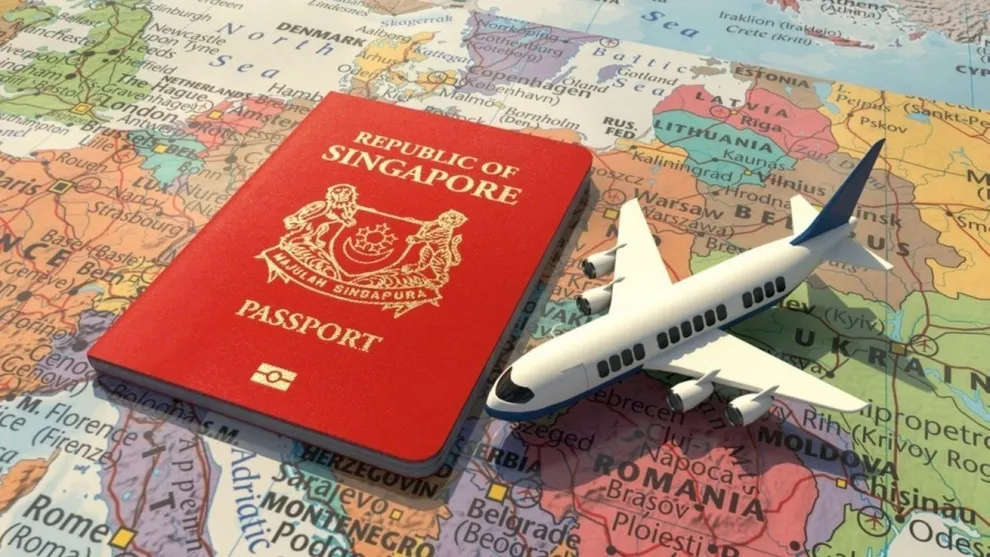
One of the most common and serious mistakes among Vietnamese travelers is the simple assumption: “As long as my passport is still valid, I can board the plane.” In reality, international aviation regulations and immigration authorities in most countries require passports to be valid for at least six months from the expected end date of the trip.
In addition, even when traveling to countries that offer visa exemptions for Vietnamese citizens within ASEAN, entry can still be denied if you cannot provide documents proving the legitimacy of your trip. These invisible requirements may include a return ticket or an onward ticket to a third country, clear hotel booking confirmation, and a mandatory online entry declaration that must be completed before the plane lands.
2. Differences in charging ports, plugs, and international voltage
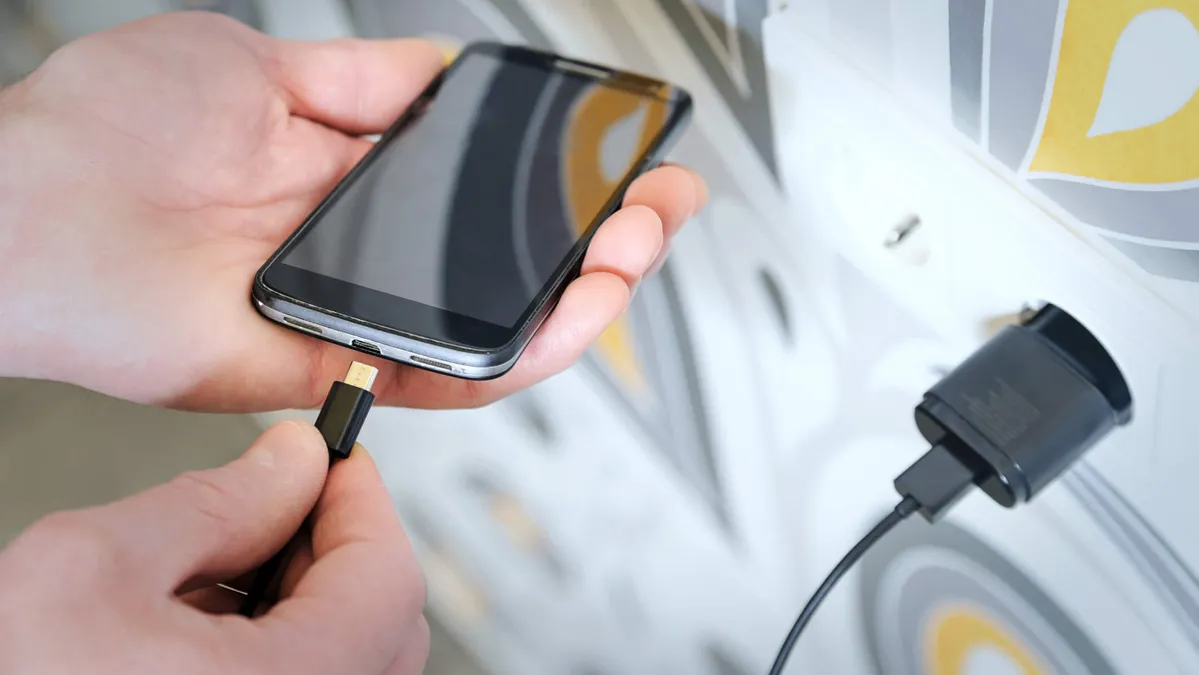
Many Vietnamese travelers casually bring electronic devices and phone chargers abroad, only to be surprised when they find that they are completely useless when faced with the hotel’s electrical outlets. Power grids and outlet designs around the world do not follow a single universal standard.
While Vietnam commonly uses two round or flat-pin plugs (Types A and C), countries such as Singapore, Malaysia, and the United Kingdom use large three-square-pin outlets (Type G), while Japan and the United States use flat-pin systems and lower-voltage 110V electrical networks.
Failing to prepare a universal travel adapter can leave you technologically stranded on your first night, or force you to spend an exorbitant amount of money on replacement chargers at airports or local convenience stores.
3. Payment rules and currency exchange at airports
The habit of carrying a large amount of cash when traveling far from home is common among Vietnamese people, but exchanging money the wrong way can unnecessarily eat into your budget.
Exchanging cash at service counters in international airports is always the worst option because exchange rates there are extremely unfavorable and often come with very high hidden fees. A smarter approach is to exchange just enough cash for small expenses at reputable gold shops or banks in Vietnam before departure, while also using an international payment card.
However, another important detail that many Vietnamese travelers are unaware of is that when paying by card abroad, the point-of-sale (POS) machine often offers two choices: payment in the local currency or Vietnamese dong (VND). You should always choose to pay in the local currency of the country you are visiting because choosing VND may subject you to unfavorable exchange-rate conversion fees imposed by the foreign bank.
4. Public transportation systems
Transportation in major cities abroad, such as the subway systems in Singapore, Bangkok, Tokyo, or Seoul, can be a completely unfamiliar world for people who are accustomed to traveling by private vehicles in Vietnam. First-time independent travelers can easily feel overwhelmed by complicated subway maps and often make the mistake of taking a train in the wrong direction because they cannot distinguish the terminal station of the route.
In addition, using the wrong type of ticket, failing to understand the rules for tapping cards when entering or leaving stations, or accidentally entering special train cars, such as women-only cars in Japan or first-class cars in Dubai, can result in a hefty fine or uncomfortable looks from local residents.
5. Unspoken cultural and local legal taboos
Each country has its own legal system and strict standards of public conduct that tourists are required to follow to avoid legal trouble.
In Singapore, seemingly minor behaviors such as chewing gum, littering, failing to flush public toilets, or eating and drinking on the subway can result in fines ranging from hundreds to thousands of dollars. When visiting Muslim-majority countries or countries that hold their royal families in high regard, such as Thailand, wearing overly short or shoulder-baring clothing when visiting temples, or behaving or speaking disrespectfully toward the royal family or religious symbols, can result in immediate arrest.
6. Tipping rules and service culture
Tipping culture is one of the most ambiguous concepts for Vietnamese travelers because of the common practice of paying all-inclusive prices in Vietnam.
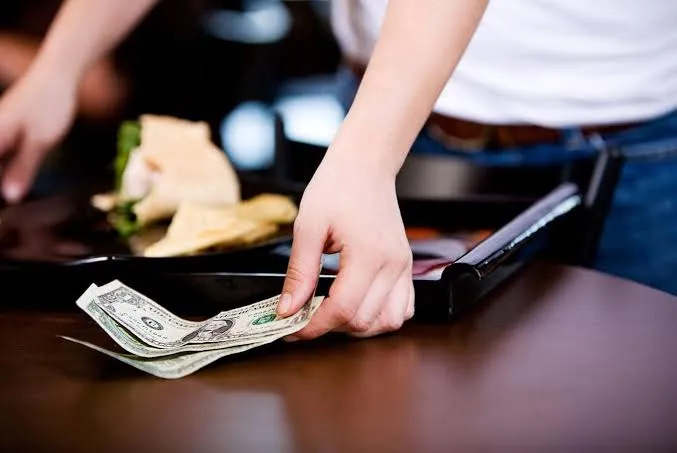
In the United States and Canada, tipping is considered an obligatory social norm for restaurant, taxi, and hotel services, with a standard rate ranging from 15% to 20% of the total bill because tips are a major source of income for employees.
In contrast, in Japan and South Korea, leaving spare change or directly giving a tip to service staff is considered impolite, implying that the restaurant does not pay its employees adequately or that the staff's inherent hospitality is being looked down upon.
7. The importance of international travel insurance
Travel insurance is often viewed by Vietnamese travelers as an unnecessary additional expense and merely a procedural requirement for visa applications. However, it is actually the ultimate safety net protecting you from extreme financial risks in a foreign country.
Medical expenses in developed countries such as the United States, Europe, or Singapore can be so expensive that an ordinary emergency treatment for an accident or food poisoning can cost tens of thousands of USD, an amount that could financially devastate an entire family.
A standard international travel insurance policy not only covers emergency health issues, but also protects you against incidents such as airline cancellations, lost luggage, or the loss of personal belongings or a passport during the journey.
8. Mobile data roaming
Many travelers have a habit of keeping their Vietnamese SIM cards when going abroad so they can receive bank OTP messages, but they forget to turn off mobile data on their phones. Allowing a phone to automatically connect to and use the internet through international mobile networks via data roaming, without subscribing to limited data packages, can result in enormous phone bills reaching millions or even tens of millions of VND after just a few days of use.

The optimal solution is to proactively turn off data roaming before the plane takes off, while also preparing travel eSIMs or international physical SIM cards purchased in Vietnam in advance to ensure a stable internet connection at the lowest possible cost.
9. Strict baggage and airport quarantine regulations
Many Vietnamese people have a habit of bringing familiar foods from home, such as shredded pork, Vietnamese pork sausage, fermented pork rolls, fresh fruit, or herbal and traditional medicines in plant form as provisions for long trips. However, at airports in Australia, the United States, Japan, or Taiwan, bringing fresh or processed pork or poultry products, as well as plants of unclear origin, without declaring them to customs is a serious violation of the law.
You may face penalties including confiscation and destruction of your belongings, cash fines ranging from several hundred to thousands of USD, or worse, visa cancellation and deportation at the border.
10. Time zone differences
The final mistake, which can occur right at the end of the journey, is failing to correctly calculate time zones and the time required for procedures at major international airports. Unlike the relatively compact domestic airports in Vietnam, international hubs such as Changi in Singapore, Incheon in South Korea, or Suvarnabhumi in Thailand are enormous, with multiple terminals located several kilometers apart. Traveling from the city center to the airport, lining up for a tax refund, checking in luggage, and going through security can take three to four hours.
Being careless and arriving at the airport too close to departure time, following the habits of domestic air travel, can easily cause travelers to miss their flights, forcing them to purchase new tickets with extremely expensive penalties and disrupting their entire journey home.