
As the pressures of modern life continue to grow, the term “healing tourism” is no longer unfamiliar and has quickly become a booming global trend. From meditation and yoga retreats deep in the forest to wellness vacations combined with hot mineral baths, natural therapies are being promoted as a miracle cure for both the body and soul.
However, from the perspective of science and in-depth research data, does this form of tourism truly bring about significant biological and psychological changes that help people become healthier, or is it simply a marketing tactic that capitalizes on mass psychology?
The science behind nervous system recovery
When a person experiences prolonged work-related stress, the sympathetic nervous system is continuously stimulated, releasing stress hormones such as cortisol and adrenaline, which can harm the cardiovascular system, weaken the immune system, and promote inflammatory responses.
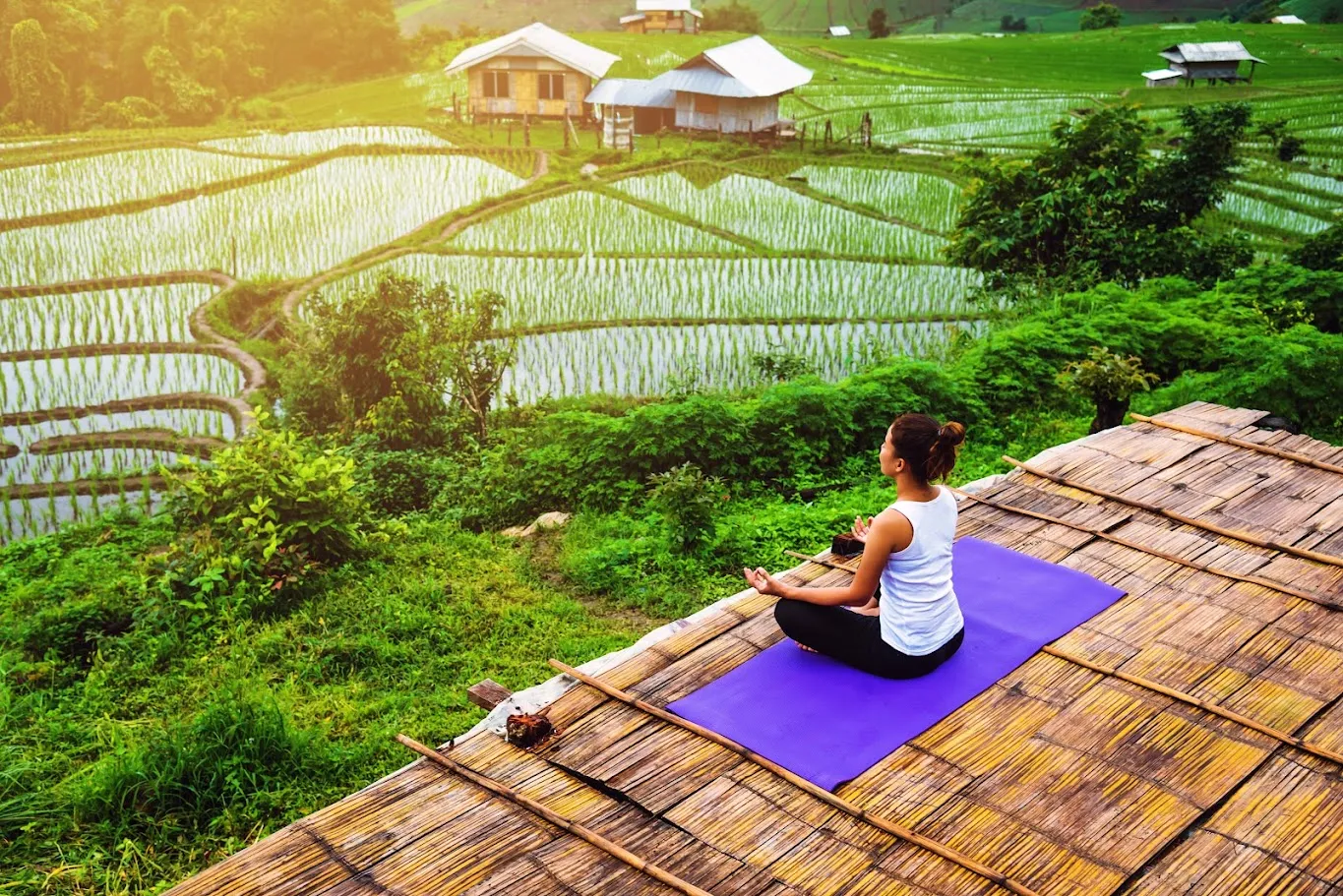
According to a review study published in the U.S. National Library of Medicine (PubMed), healing tourism has a clear impact on four core aspects, including physical health, psychological well-being, quality of life, and environmental health. Activities such as meditation, yoga, or simply temporarily disconnecting from technological devices can activate the parasympathetic nervous system. This process lowers heart rate and blood pressure while reducing cortisol levels in the blood, helping the body restore its natural state of biological balance.
Nature therapy and biological changes
One of the major pillars of healing tourism is bringing people back into direct interaction with nature, exemplified by the “forest bathing” therapy originating in Japan or ecological forest hiking trips. This is not merely a subjective experience but a practice with a clear biological basis. Medical studies indicate that trees in natural old-growth forests release an antibacterial organic compound called phytoncides as a means of self-protection. When visitors walk through these environments and breathe air rich in phytoncides, their bodies may experience increased numbers and activity of natural killer cells (NK cells, a type of white blood cell that plays an important role in destroying virus-infected cells and cancer cells).
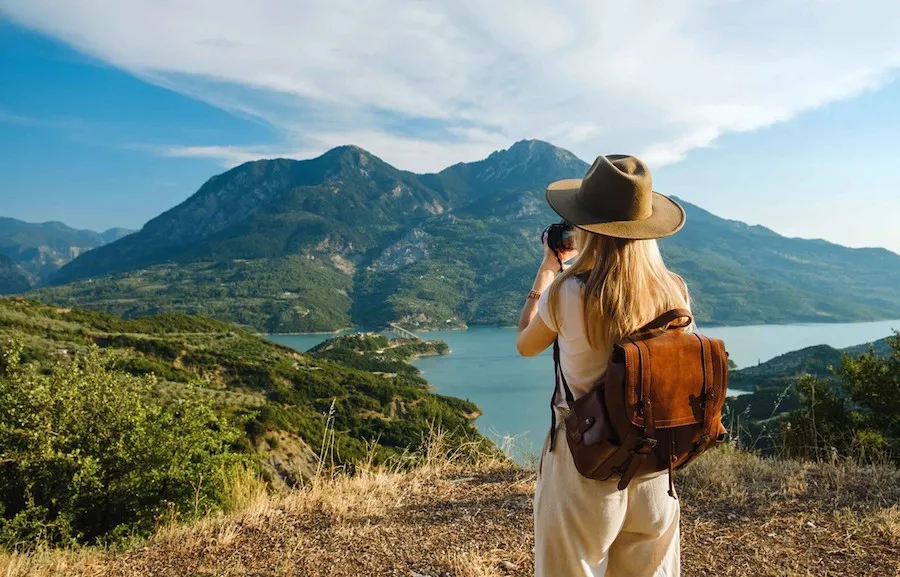
The benefits do not stop at the immune system. Exposure to natural sounds such as flowing water and rustling leaves, combined with natural light, helps regulate the biological cycle and supports the natural production of melatonin, thereby significantly improving sleep quality for people suffering from chronic insomnia caused by stress.
Psychological transformation and emotional self-regulation
When participating in isolated environments away from crowds and information overload, travelers have an opportunity to expand their capacity for self-observation and strengthen self-awareness.
Based on survey results using the Depression, Anxiety and Stress Scale (DASS), as documented in reports on wellness tourism models by the Swiss Hotel Management School, participants in mental recovery programs reported noticeable reductions in anxiety and stress levels. Practicing mindfulness throughout the journey helps the brain escape a state of “cognitive overload,” expands mental space, and strengthens internal self-control. Subjective feelings of happiness are enhanced through aesthetic experiences, satisfaction with peaceful living environments, and healthy social interactions, thereby creating positive emotions that can persist even after the trip has ended.
Practical limitations and the sustainability of healing effects
Although there are undeniable biological and psychological benefits, medical and sociological researchers have also raised important concerns about the short-term nature of this model.
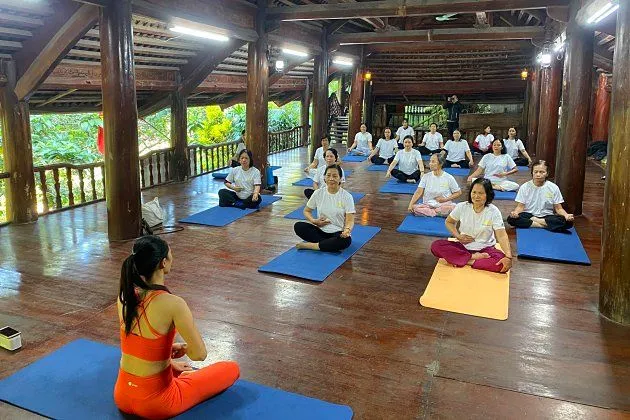
The positive physical and mental effects often peak during the trip but tend to gradually decline and disappear after travelers return to their previous work and living environments. Healing tourism is not a “magic pill” that can completely resolve chronic illnesses or deep psychological trauma if the individual does not make changes to their daily lifestyle. It serves as a catalyst, a necessary period of rest that allows the body to recover naturally and awakens an individual's awareness of proactive health care. If, after the trip, the individual continues unhealthy lifestyle habits, stays up late, avoids physical activity, and fails to manage stress, the effects of the previous healing trip will soon disappear.