
Surely every one of us has experienced this moment at least once: sitting blankly alone, eyes unfocused, but a fierce debate is taking place in our head. We direct and act out both roles ourselves, come up with sharp retorts on our own, vividly imagine the other person's facial expressions, and even feel our heartbeat pounding as if everything is actually happening.
This phenomenon of "talking in one's head" or imagining non-existent conversations is a common, universal human psychological experience. However, behind this seemingly bizarre and often kept-secret habit lies an incredibly complex and sophisticated operating mechanism of the brain.
From a psychological perspective, the brain's continuous creation of virtual communication scenarios is essentially a defense and emotional regulation mechanism. The human brain is inherently a giant prediction machine; it always craves order and fears uncertainty. When we fall into a conflict situation that has not been satisfactorily resolved, or are about to face a high-risk communication event, the mind automatically activates. It turns the brain into a virtual stage, where we can safely rewind past traumas to find a way to "compensate" with a perfect comeback, or pre-sketch future scenarios to regain a sense of mastery over the situation.
If used correctly, this theater of the mind is absolutely not a flaw, but an extremely useful survival tool. Imaginary conversations act as a perfect cognitive rehearsal before important events. When you are preparing to propose a salary increase or have a frank dialogue with a friend who crossed the line, anticipating the streams of reactions helps you refine your wording, foresee rebuttals, and bolster your confidence.
Furthermore, it is also an excellent empathy-training exercise. Trying to put imaginary words into other people's mouths forces us to temporarily step out of our personal perspective, striving to guess the other person's psychology and frame of reference before the actual conversation takes place.
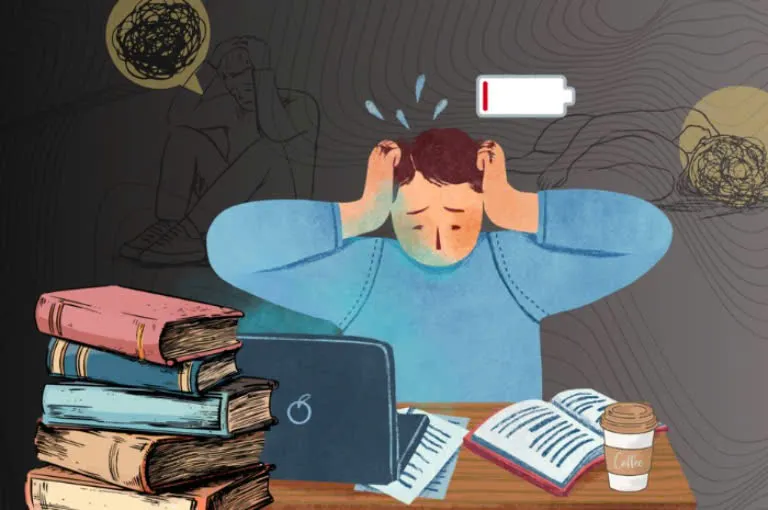
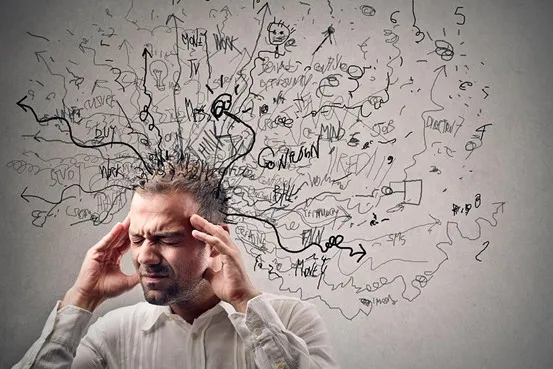
However, the boundary between strategic preparation and falling into the trap of overthinking is extremely fragile. When conversations in the head spiral out of control and become an obsessive loop, they turn into a poison that destroys mental health. Many people lock themselves in ruminating on past arguments from years ago, constantly restructuring words just to satisfy an ego craving for a win.
The danger is that our nervous system cannot clearly distinguish between an actual threat and an imagined one. Continuously visualizing tense, angry scenes will activate the body's defense response, pushing stress hormone levels high and draining our life energy for events that are completely unreal.
To control and avoid becoming a hostage to inner voices, the first solution step is to practice mindfulness to recognize the loop as soon as it begins. The very moment you detect yourself drowning in a virtual argument, proactively interrupt the thought stream by anchoring your senses to reality: pay attention to your breathing, feel the temperature of the object you are holding, or listen to the authentic sounds around you.
Additionally, writing everything down on paper is also an extremely effective "mental brain dump" method; when arguments are materialized into words, the brain receives a signal that the issue has been recorded and stops replaying that audio tape.
The goal is not to completely destroy imagination, but to regain directorial rights, so that the mind becomes a place of preparation for a better life, rather than a place to imprison us in empty illusions.