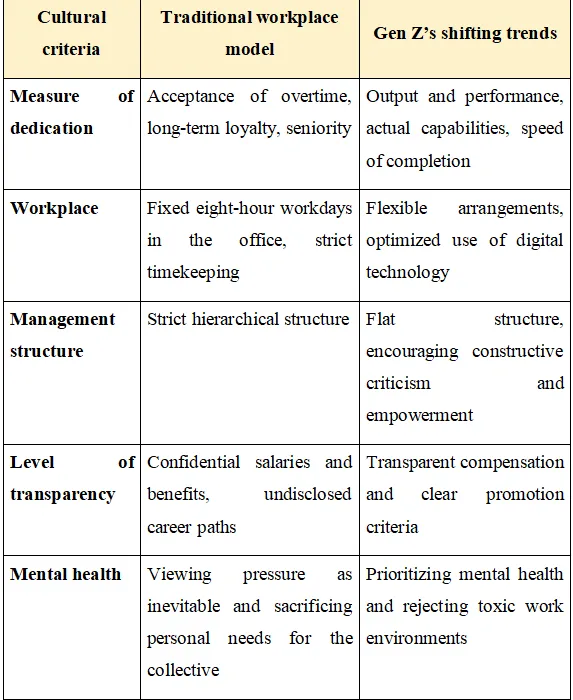

The strong entry of Generation Z into the labor market is creating a major disruption to traditional corporate culture. No longer willing to accept rigid conventions or a mindset of blind dedication, this generation, which grew up alongside the internet and social media, is redefining the rules of the workplace. They are bringing new demands for flexibility, transparency, respect for mental health, and fairness, forcing managers from previous generations to rethink their approaches if they want to avoid facing a wave of talent retention and workforce challenges.
The biggest difference between Gen Z and previous generations is their strong rejection of “hustle culture”, a lifestyle that places work at the center of life and expects people to sacrifice personal time for career advancement. This generation defines success not by the title on a business card, but by achieving a fulfilling balance between work and life. This shift can be seen in the growing prevalence of behaviors such as quiet quitting, doing only the tasks assigned, refusing to work overtime, and openly leaving toxic work environments.
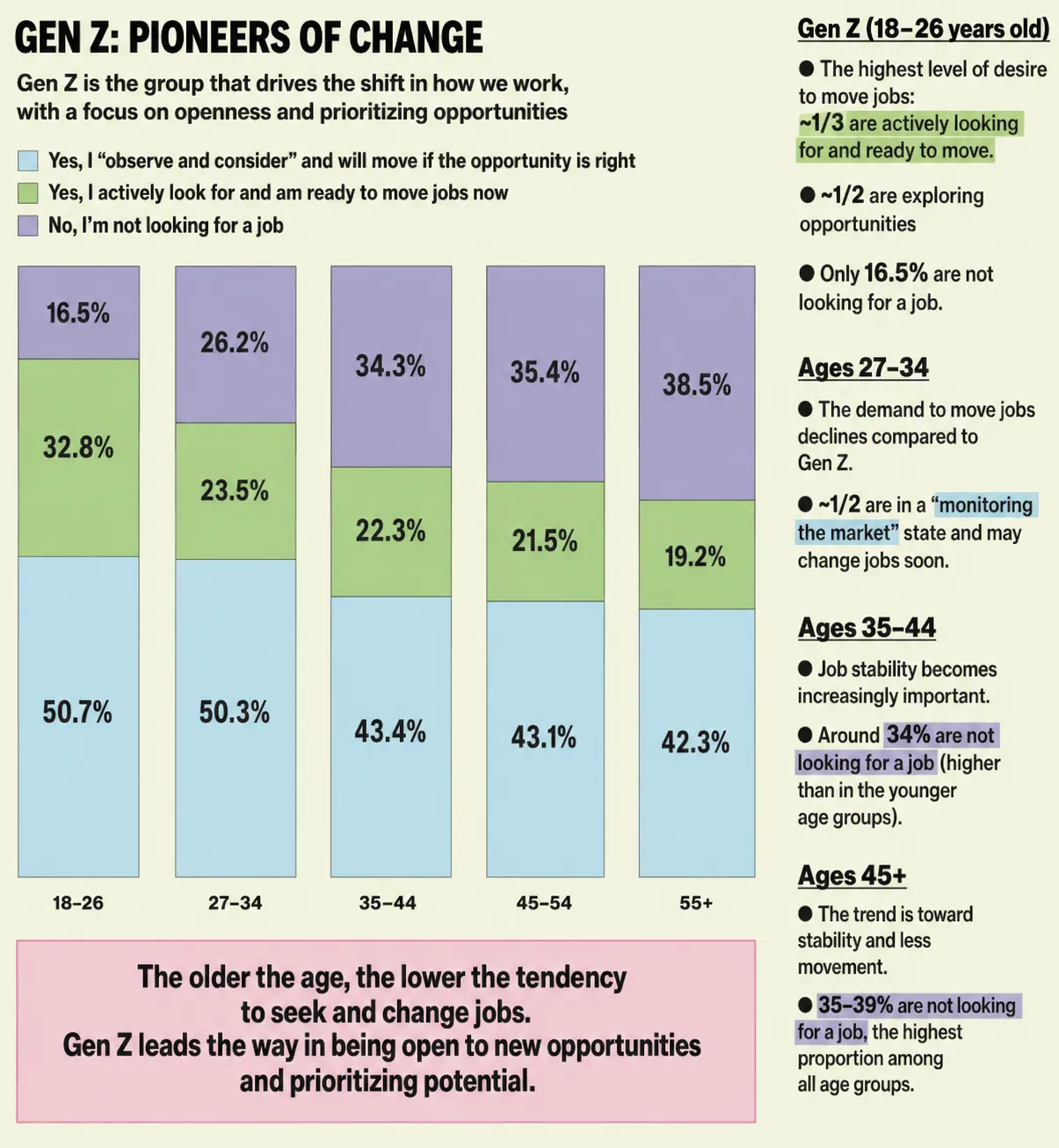
Gen Z values mental health as much as, and in some cases even more than, financial compensation and benefits. They are willing to turn down offers from major corporations if those workplaces rely on micromanagement, lack empathy, or exploit employees’ labor.
Gen Z is the generation that came of age during the global pandemic, a period that fundamentally reshaped perceptions of digital workspaces. For them, the office is no longer the only place where productivity can be achieved. They strongly advocate for flexible working models, such as hybrid arrangements that combine working from home with working in the office, or fully remote work.
Beyond physical space, this generation has also established a clear boundary around digital availability. They oppose receiving work-related messages through Zalo, Slack, or email after working hours or during public holidays. For Gen Z, respecting employees’ personal time is the minimum standard of a civilized workplace. Such flexibility does not reduce productivity; instead, it allows young employees to maximize their creativity and maintain sustainable energy levels over the long term.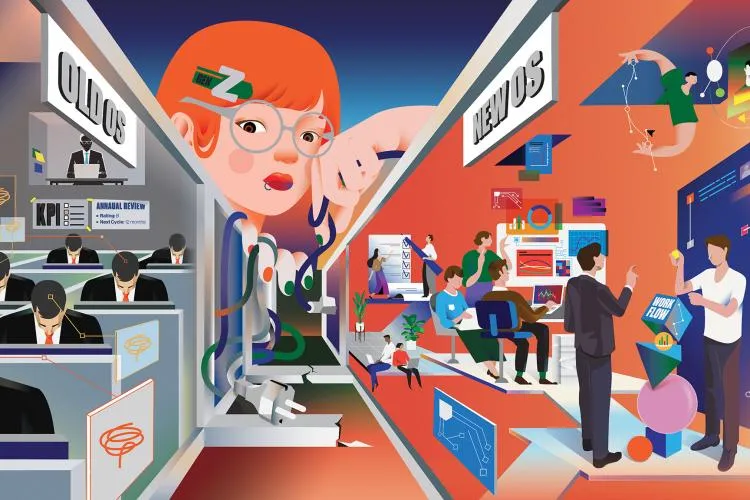
The long-standing culture of “salary secrecy” in businesses is being challenged by Gen Z. This generation is more open about sharing their income with colleagues and on social media platforms to ensure that no one is being underpaid relative to their market value. They demand transparent career advancement paths and clear KPI evaluation criteria based on actual capabilities and performance rather than seniority or workplace alliances.
In workplace communication, Gen Z favors a flatter organizational structure in which everyone’s opinions are heard equally, regardless of rank. They are willing to challenge their superiors directly when they believe that a workflow is unreasonable or inconsistent. This straightforwardness is sometimes mistaken for arrogance, but at its core, it reflects a desire to improve work efficiency and eliminate unnecessary bureaucratic procedures.
A company seeking to attract and retain Gen Z talent needs more than strong financial resources; it must also possess a human-centered set of core values. Young people today care deeply about global issues such as sustainable development, environmental protection, diversity, equity, and inclusion in the workplace. They are more likely to remain committed and devote themselves fully to organizations that demonstrate genuine social responsibility through concrete actions, rather than merely through “greenwashing” campaigns. Having meaningful work and making a tangible contribution to the community can serve as a powerful source of intrinsic motivation, helping Gen Z find purpose in their everyday work.