
The macroeconomic picture and pressure on the luxury segment in Vietnam
In the context of the global and domestic economy from 2025 to mid-2026 continuing to face numerous headwinds from inflation and supply chain disruptions, the psychology of tightening spending has spread to the middle and upper classes in Vietnam.
Contrary to the boom of post-pandemic revenge shopping, current cash flows are being adjusted in a defensive direction, prioritizing highly liquid assets and strong capital preservation capabilities. The inevitable consequence is that aggregate demand for non-essential luxury goods, including diamond jewelry, has significantly declined.
However, this fluctuation does not occur evenly across all segments. The tightening of purse strings makes consumers more stringent in assessing the true value of each diamond, creating a sharp polarization between the concept of fashion jewelry and assets for long-term investment accumulation.
The valuation crisis of artificial diamonds and supply saturation
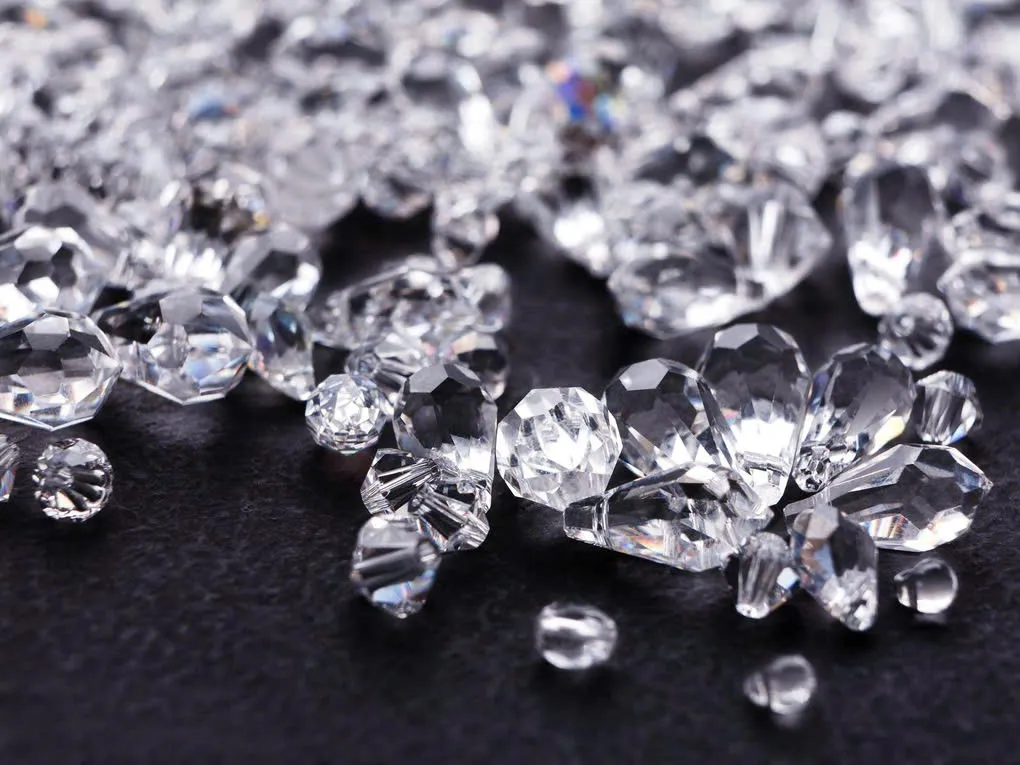
The most notable highlight causing major disruption in the Vietnamese market is the freefall of the artificial diamond segment. Once expected to be a revolution changing the jewelry industry when it massively appeared at a price only one-third of natural diamonds, lab-grown diamonds are currently falling into a severe depreciation spiral.
Global market analysis data as well as records from domestic retail chains show that the value of artificial diamonds has evaporated by 35% to 50% in just the past twelve months. Furthermore, according to assessments from experts at Diamond Standard, this decline could continue to widen to the 80% threshold in the near future as the initial media effect has completely dissipated.
The core cause of this value collapse stems from the industrial nature of the product. When factories in China and India optimized HPHT and CVD technologies, the production of artificial diamonds was no longer limited by technical barriers, leading to a massive oversupply. From occupying an almost zero market share in 2015, artificial diamonds have expanded to account for about 20% of the total diamond market by early 2024. In Vietnam, this saturation has made consumers begin to realize that artificial diamonds have no resale or asset accumulation value. Artificial diamond jewelry is gradually being downgraded to the regular fashion jewelry segment because, according to basic economic laws, items that can be mass-produced in infinite quantities cannot maintain scarcity value.
Reacting to this reality, a series of large jewelry stores in Vietnam have simultaneously changed their strategies; they stopped stocking artificial diamonds in their inventory and switched to a model of only importing them when customers place deposits in advance, to minimize the risk of inventory depreciation.
The correction and resilience of natural diamonds
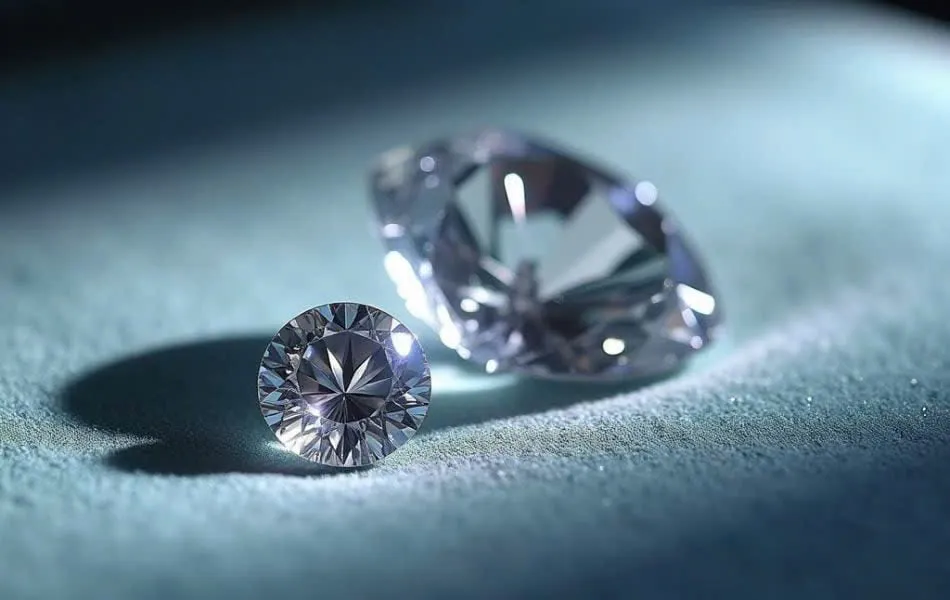
Despite holding the status of a scarce asset, natural diamonds are not entirely immune to market turbulence.
According to actual records, the price of natural rough diamonds in the mid-range and small size segments has undergone a downward correction of about 15% in value. Some forecasts from international experts even state that the overall price level could continue to drop by another 15% to 20% in the coming months for mass-market product lines. This decline largely stems from major mining conglomerates liquidating inventory and a drop in demand for wedding jewelry shopping in key markets like the US or China.
However, the picture for natural diamonds shines brightly in the high-end and ultra-high-end segments, where asset value is most strongly affirmed. Periodic reports from gemstone exchanges and leading brands like Jemmia forecast a completely different scenario for large-sized diamonds. Specifically, natural diamonds weighing 2.0 carats and above are forecasted to maintain a steady positive growth rate of 5% to 8% per year. This price increase is directly driven by the depletion of major mines globally.
Additionally, diamonds in the D color group, possessing IF or VVS1 clarity standards, still retain their crown in terms of liquidity. Even in the context of lurking economic recession, this flawless segment is not only stable but also tends to increase slightly, continuing to act as a safe asset haven, prioritized by elites and investors to hedge against inflation and currency devaluation.
Forecasts and advice for the market in the new period
Looking toward the 2026 to 2028 period, the Vietnamese diamond market will undoubtedly witness a clear purge and boundary separation. Artificial diamonds will continue to redefine their position, becoming a popular choice for everyday fashion jewelry lines, serving young customers with limited budgets but a love for sparkling beauty. Their value will continue to approach pure industrial production costs.
Conversely, natural diamonds will increasingly consolidate their exclusive position as a genuine luxury item. Transparency in origin and international quality certifications from the Gemological Institute of America (GIA) will become a mandatory, non-negotiable standard in all transactions.
For individual investors in Vietnam, the current market fluctuation is both a challenge and an opportunity to restructure their asset portfolios. Chasing cheap artificial diamonds or overly small natural diamonds will not yield financial efficiency. Instead, the wisest strategy in a risky macroeconomic context is to focus resources on natural diamonds with large sizes, perfect colors, and high clarity.