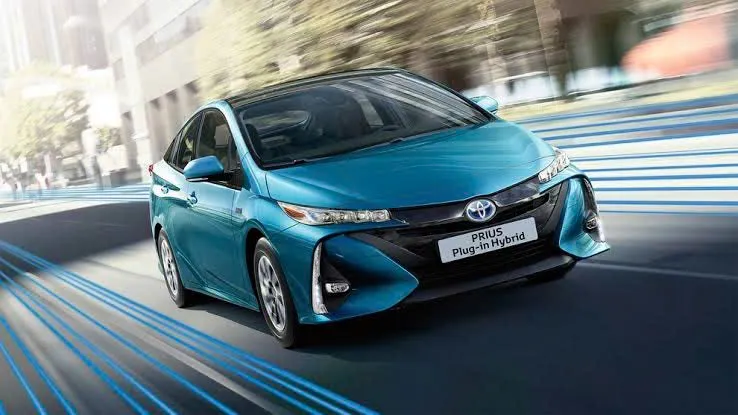

More notably, a trend once considered a "transitional technology" is rising strongly: hybrid vehicle sales (HEV and PHEV) are recording sudden growth across a series of key markets from North America and Europe to Asia. This breakthrough is forcing observers to rethink the entire green transition roadmap of the transportation industry.
Behind the deceleration of the electric vehicle market
The first and most fundamental reason causing EVs to stagnate lies in the shortfall of charging station infrastructure compared to the speed of car sales. Although billions of dollars have been poured into building public charging networks, the coverage is still concentrated only in mega-cities and main highways.
According to industry data, the vehicle-to-charging station ratio in many developed countries is still stuck at 15:1, while the ideal should be 10:1. Fragmented infrastructure, inconsistent charging standards, and frequent charging station breakdowns have worn away the patience of the mass consumer base.
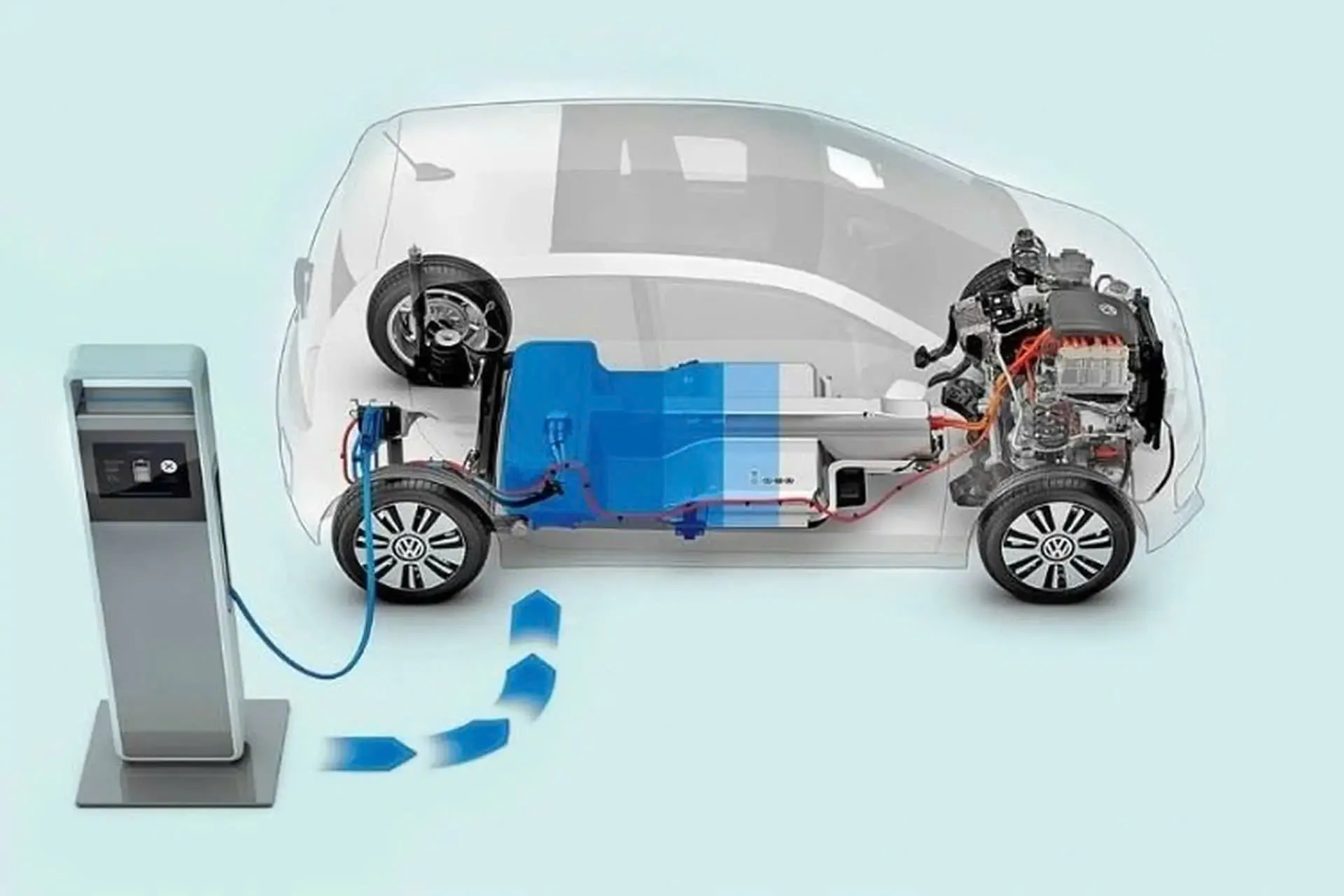
Parallel to infrastructure, charging time continues to be a huge psychological barrier. Even with ultra-fast charging technology, a user still takes 20 to 40 minutes to recharge 80% of the battery. In a society that values a fast-paced lifestyle, having to change the 3-minute refueling habit to waiting half an hour to charge is a major hurdle. The "pioneer" customer base is willing to accept this inconvenience due to their passion for technology, but the mass customer base is not.
Economically, the cost of pure electric vehicles has yet to approach an affordable level in many segments. The fluctuation in prices of core materials like Lithium and Cobalt once drove battery prices high, making a C-segment EV typically 15% to 25% more expensive than its gasoline equivalent. Furthermore, the specter of battery replacement costs, which can reach 10,000 to 15,000 when the car passes its 8th year of use, causes the resale value of used EVs to plummet, creating immense apprehension for buyers looking for an asset and long-term use.
Hybrid becomes the "just right" sweet spot
In the context of users being conflicted between traditional gasoline cars (costly, emitting) and electric cars (expensive, inconvenient), hybrid cars rise as a perfect lifebuoy. The absolute advantage of the HEV (Self-charging Hybrid) line is that it does not require users to change any habits. There is no need to install apps to find charging stations, no need to install home chargers, and no "range anxiety." Users simply refuel as normal, yet get to enjoy smooth operation at low speeds and the instant acceleration of the electric motor.
The economic efficiency of hybrid cars is a problem with a very clear solution. Real-world tests and consumer data show that a hybrid car can save 30% to 50% on fuel compared to an internal combustion engine car of the same capacity, especially in congested urban traffic conditions where the electric motor maximizes its effect and the regenerative braking system operates continuously. Although the initial selling price of a hybrid car is slightly higher than a gasoline car, this difference is much lower than that of pure electric vehicles and can easily be compensated for after just 3 to 4 years thanks to sharply reduced refueling costs.
Moreover, hybrid vehicles thoroughly solve the psychological barrier of the masses. It gives consumers a sense of "greening" their environmental responsibility without forcing them to trade it for inconvenience. The peace of mind regarding technological durability, which has been proven by Japanese automakers over more than two decades, makes mass customers more willing to spend their money compared to an entirely novel EV.
The strategic shift of auto industry giants
Faced with the shift in cash flow, a series of giant automobile corporations have been forced to rewrite their decade-long business plans. Pouring 100% of R&D (Research & Development) budgets into pure electric vehicles is being abruptly braked. Instead, a large amount of capital is being reallocated to develop hybrid engine platforms. Automakers that once boldly declared "only selling EVs after 2030" have quietly adjusted this timeline, or issued softer statements about "providing diverse options to meet the market's practical needs."
Hybrid vehicle production at plants in North America and Europe has been maximized. Ford and General Motors, who once devoted all their resources to EVs, have had to admit that customer demand for hybrid cars is exceeding supply and are quickly launching hybrid engine versions for their best-selling models.
Meanwhile, Toyota, an automaker once fiercely criticized by experts for its conservatism and sluggishness with EVs, is reaping record global profits. The Japanese automaker's "multi-pathway" philosophy has suddenly become the new guiding principle for the sustainable development of the entire industry.
In the Vietnamese market
In Vietnam, the green transition story carries very distinct characteristics but also follows the general laws of the world. With constantly fluctuating gasoline prices, the demand to own high-clearance, spacious cars that must be fuel-efficient is becoming a top priority for middle-class families. Meanwhile, residents in major cities like Hanoi or Ho Chi Minh City face the dilemma of a shortage of parking spaces integrated with electric charging stations, especially in old apartment complexes or houses in narrow alleys.
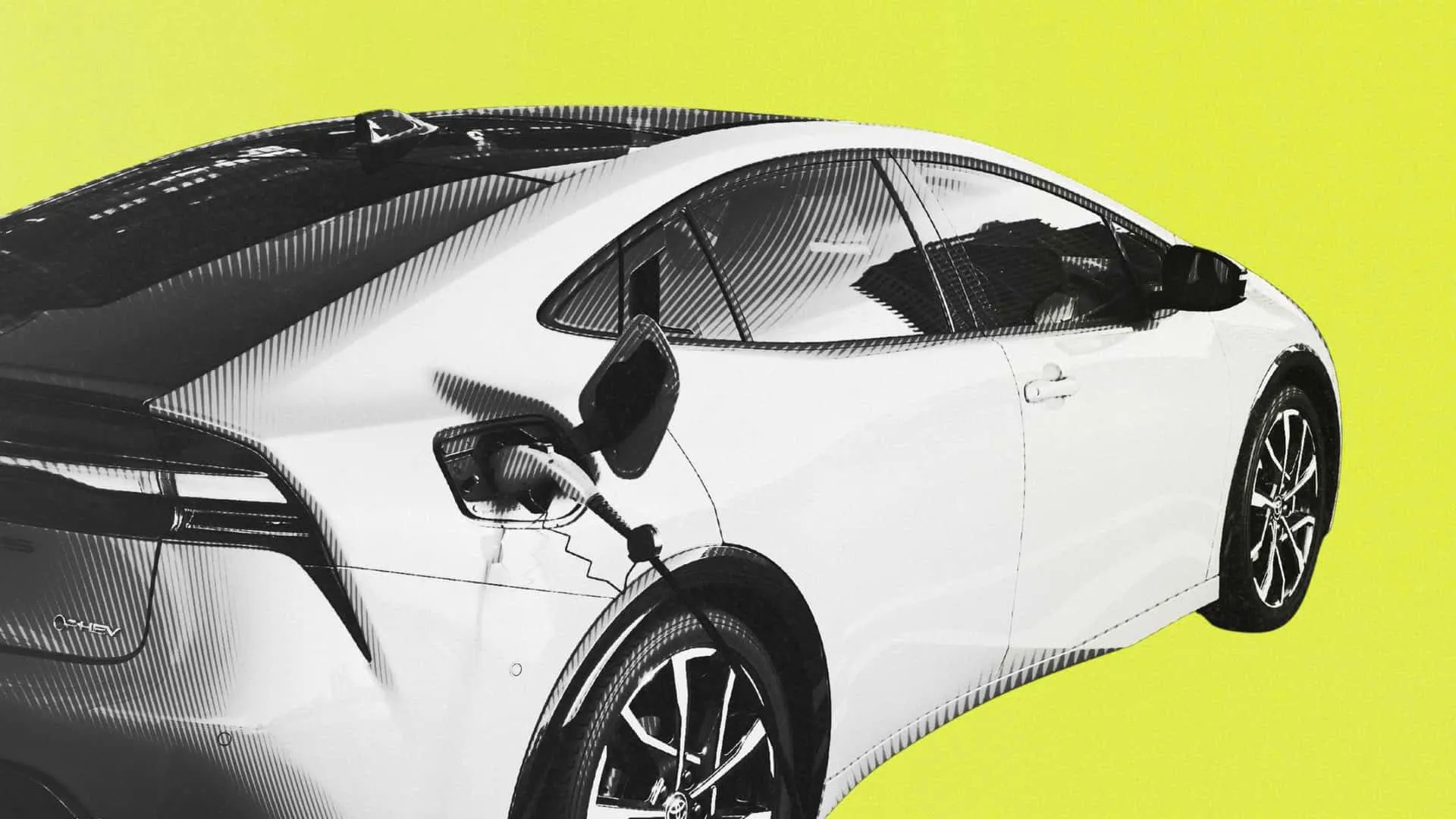
Vietnamese consumers have a highly practical and durable mindset "live within one's means"; they are not completely at ease with pure electric vehicles if they frequently make trips back to their hometowns or travel cross-country, because the currently widespread charging station network almost exclusively belongs to VinFast's proprietary ecosystem. For customers wanting to use international brands, pure EVs are not yet an optimal choice.
This is exactly the fertile ground for hybrid vehicles to unleash their potential. Statistics from VAMA show that hybrid vehicle sales in Vietnam have continuously set new peaks in recent years. Models ranging from the mainstream segment like Toyota Yaris Cross, Corolla Cross, and Suzuki Ertiga Hybrid to more premium models like Honda CR-V e:HEV or Kia Sorento HEV are dominating sales. Automakers continuously launching hybrid options at increasingly accessible price points have turned this technology from a "luxury toy" into a standard configuration that car buyers always consider.
Expert perspective: What is the future for green vehicles?
The rise of hybrid vehicles sparks a profound debate among experts: Is this just a transitional stepping stone or a solution that will last for decades? Energy analysts argue that as long as solid-state battery technology is not mass-commercialized to halve prices, double the range, and fully charge in 10 minutes, hybrid vehicles will retain the throne of practicality.
Pure electric vehicles will not fail, but the time when they truly dominate the global market may be pushed back from the 2030 milestone to the 2035 - 2040 period. EVs are currently passing through the trough of the "technology adoption cycle," where they must prove their practical value to demanding customer groups instead of just selling to novelty seekers. While waiting for breakthroughs in grid infrastructure and core technology, hybrids are not merely a fragile "stepping stone," but a solid pillar bearing the goal of global emission reduction.