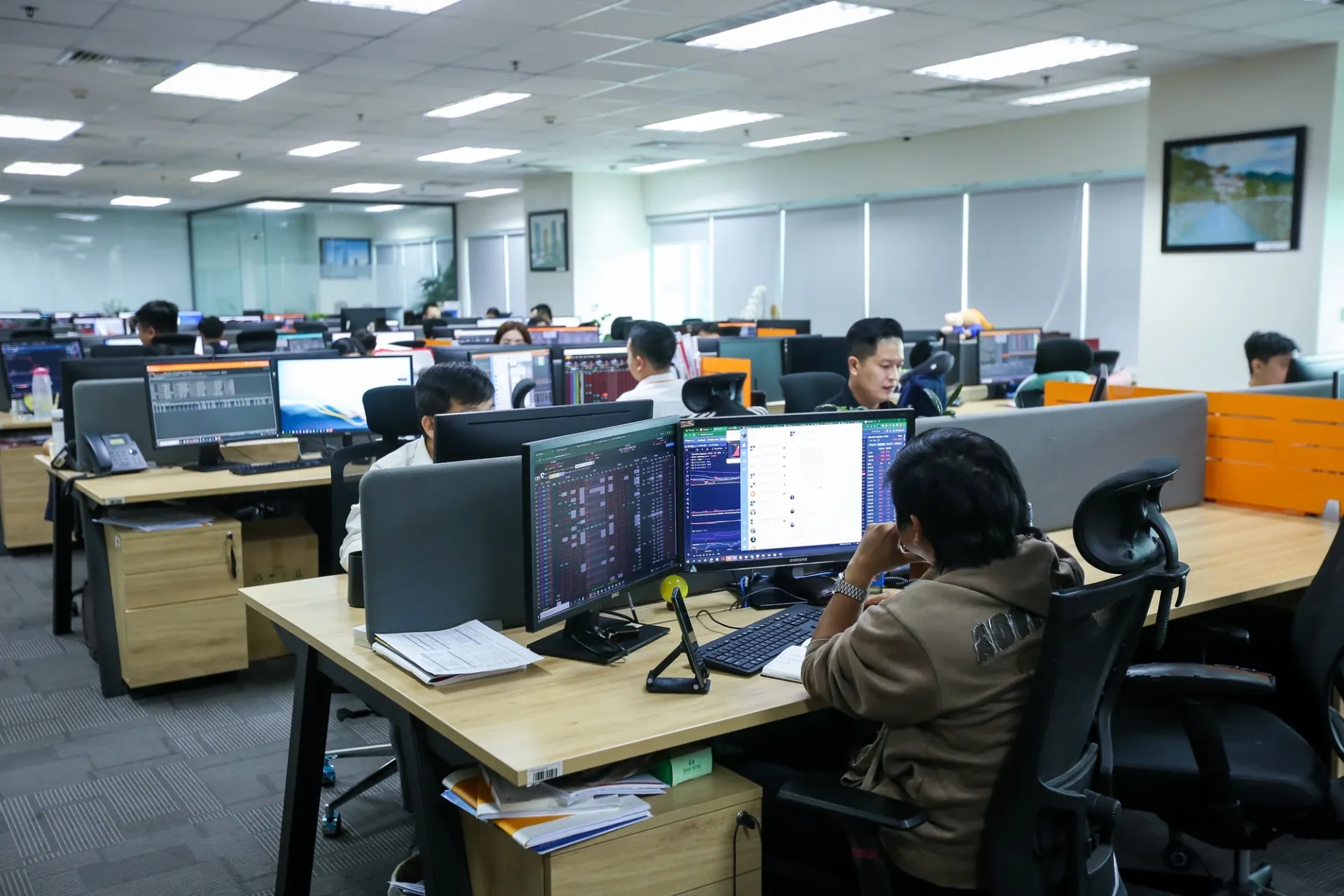

In modern society, the standard eight-hour workday spent sitting in a chair in front of a computer has become a familiar reality for millions of office workers, programmers, and content creators.
At first glance, this may seem like a relatively easy, safe job that requires little physical effort compared with manual labor. However, in-depth medical research in recent years has raised serious concerns, with prolonged sitting in front of a computer increasingly being described as a new form of “passive smoking” in the digital age.
The human body is designed to move, function, and interact physically with its surroundings, not to remain frozen in one position for a third of the day. Spending eight hours a day at a computer can therefore become a silent but relentless assault on the body, causing significant strain on the musculoskeletal system, circulatory system, eyesight, and even brain function.
Cumulative trauma and the gradual breakdown of the musculoskeletal system
According to medical specialists, as many as 75% of cases of muscle and joint fatigue and pain among young people today are directly associated with prolonged poor sitting posture. When you stare at a screen, the weight of your upper body is not distributed evenly. Instead, mechanical pressure is concentrated on the spinal column, particularly the cervical and lumbar vertebrae. To compensate for the lack of proper support, the muscles around the neck and shoulders must remain contracted to keep the head upright, potentially reducing local blood flow to the muscles and causing chronic neck and shoulder pain.

More seriously, remaining seated for long periods places continuous pressure on the discs between the vertebrae without giving them sufficient time to rehydrate and receive nutrients. Over time, this compressive pressure can contribute to disc degeneration, bulging discs, and pressure on surrounding nerve roots, potentially leading to herniated discs and spinal degeneration at an increasingly young age.

In addition, hours of repetitive keyboard use and mouse clicking can contribute to repetitive strain injuries affecting the fingers and wrists. This increases the risk of tendon inflammation and carpal tunnel syndrome, potentially causing numbness, discomfort, and reduced hand mobility.
Sluggish circulation and cardiovascular and metabolic diseases
When the body remains inactive for too long, the large muscles in the lower limbs are barely engaged. This lack of muscular contraction slows blood circulation, causing blood to pool in the legs, contributing to venous problems and increasing the risk of dangerous blood clots.
According to a large-scale study published in the prestigious medical journal JAMA, which followed more than 105,000 participants for 11 years, researchers found that people who sat for more than eight hours a day had a significantly higher risk of premature death from heart attacks or strokes than those who were more physically active.
Alongside sluggish circulation comes a significant decline in energy expenditure. Once you sit down, your calorie-burning rate drops to roughly one calorie per minute, while lipase, an important enzyme involved in breaking down fats in the bloodstream, can also decrease substantially. This metabolic slowdown can contribute to the accumulation of fats, triglycerides, and LDL cholesterol, interfere with insulin function, and increase the risk of obesity, fatty liver disease, and type 2 diabetes.
Even the digestive system can suffer from prolonged sitting. Pressure on the abdomen may slow intestinal movement, contributing to bloating and indigestion and potentially worsening hemorrhoids, a common but often unspoken problem among office workers.
Computer vision syndrome and the decline of neurological and brain health
The World Health Organization (WHO) has reported significant concerns about the impact of prolonged exposure to electronic devices on eye health. When working at a computer, people tend to blink much less frequently, potentially dropping from around 20 blinks per minute to only six or seven. This causes the tear film protecting the surface of the eye to evaporate more quickly, contributing to computer vision syndrome, with symptoms such as dry eyes, blurred vision, eye strain, and burning or redness.

Blue light emitted by screens can also affect the body's natural sleep-wake cycle by interfering with melatonin production, the hormone that helps regulate sleep. Prolonged exposure, particularly at night, may make it harder to fall asleep, reduce sleep quality, and leave people feeling tired and mentally foggy the following day.
A recent medical finding published in the scientific journal PLOS One also suggested that sitting for more than eight hours a day may be associated with an increased risk of dementia. More concerningly, this association has been observed even among people who exercise at the end of the day, suggesting that prolonged sedentary behavior itself may represent an independent health risk.
The combination of work-related stress and prolonged inactivity can also keep the sympathetic nervous system in a state of chronic activation, increasing stress hormone levels and contributing to brain fog, memory difficulties, reduced concentration, and a higher risk of anxiety and depression among younger adults.