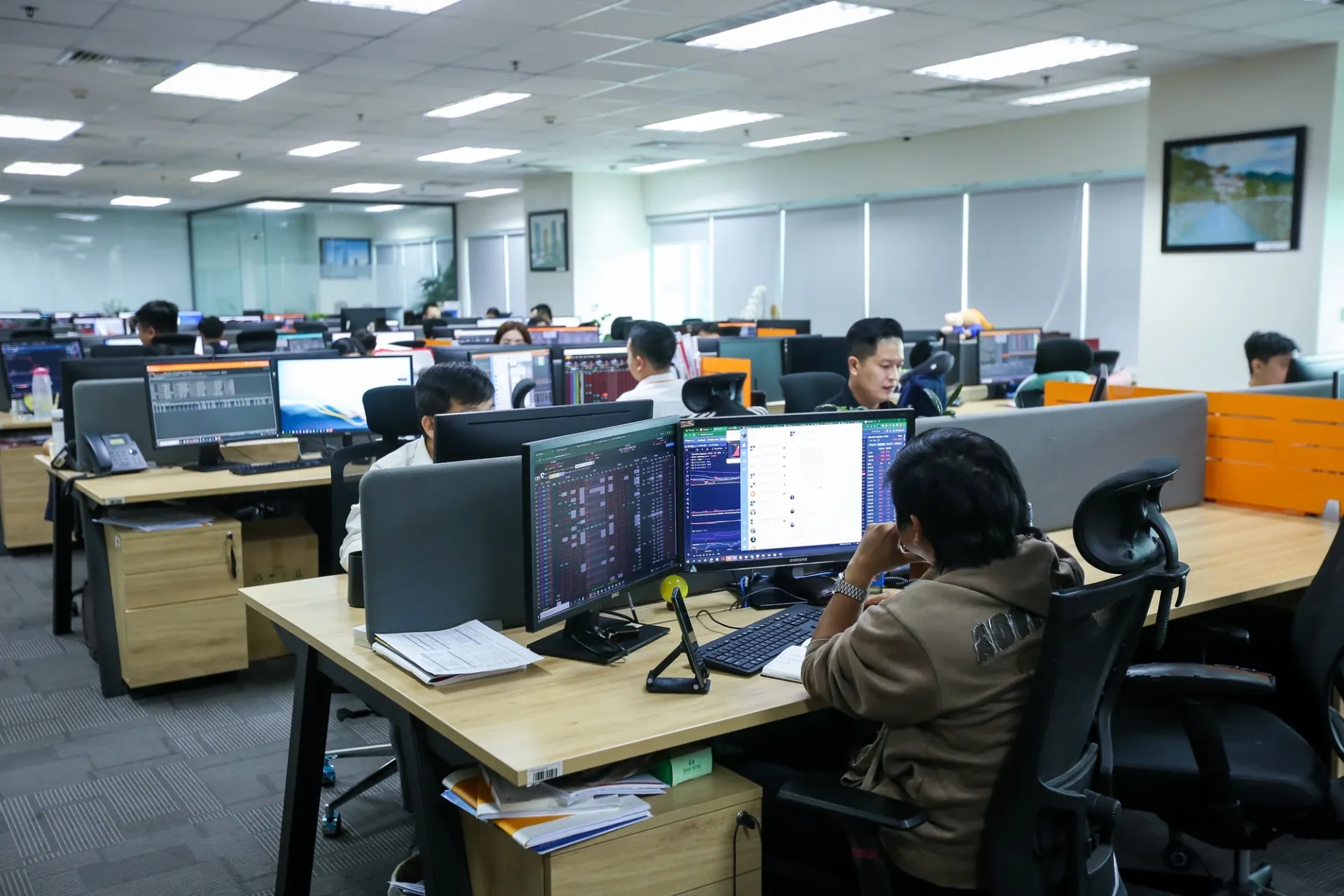

The world in which today's younger generation is growing up is no longer one defined solely by printed books or traditional outdoor games. Instead, it is a fully digitized environment where the internet, artificial intelligence, and smart devices have become woven into nearly every aspect of daily life. Technology has become a major part of modern life, almost like a second nature to young children.

Faced with this overwhelming digital wave, parents often find themselves divided between two extremes. On one side are those who take a hands-off approach, turning smartphones and tablets into convenient “digital babysitters.” On the other are parents who impose strict bans out of fear of the potentially harmful effects of technology on their children's mental health. Yet both excessive permissiveness and outright prohibition are flawed approaches because technology is neither an enemy nor a harmless magic wand.
The pivotal shift that modern educators are calling for is not simply to control how much time children spend on devices, but to change the nature of their interaction with technology: Do not just let children use technology. Teach them to understand it.
Many parents take pride in seeing their preschool-aged children swipe across screens with ease, open online entertainment videos on their own, or play video games skillfully. They mistakenly view these behaviors as signs of technological intelligence or evidence that their children are “digital natives.” However, this is a potentially harmful misconception. Scrolling through social media, watching sensational short-form videos, or playing pre-designed video games are, by nature, forms of passive technology consumption. The algorithms used by major platforms are sophisticatedly designed with one primary objective: to influence users psychologically and stimulate dopamine activity in the brain to keep them engaged for as long as possible. When children become trapped in this cycle, they are not learning how to think independently. Instead, they are passively allowing algorithms to guide their attention and behavior.
The consequences of excessive passive consumption have been highlighted by scientific research. A large-scale global study conducted by Sapien Labs, led by Dr. Tara Thiagarajan and based on data from nearly two million people across 163 countries, identified a concerning relationship between the age at which people first acquire smartphones and their mental well-being. The study warned that early exposure to social media is associated with significantly lower life satisfaction, particularly among younger age groups, along with difficulties in emotional regulation, lower self-esteem, and increased suicidal thoughts among adolescents.
Author and social psychologist Jonathan Haidt also makes a similar argument in his book The Anxious Generation, emphasizing that the transformation of childhood through screen-based technology has contributed to a mental health crisis among young people. When children only know how to “use” technology without understanding it, they can become easy targets for cyberbullying and may experience deeper conflicts within their families.
Teaching children to understand technology does not mean forcing them to memorize dry computer science theories. Instead, it means helping them understand how digital tools work, their advantages and disadvantages, and the nature of the technologies surrounding them. Understanding technology means that when a child watches a recommended video on YouTube or TikTok, they recognize that the recommendation is not simply a random occurrence. It is the result of an algorithm analyzing their behavior in an effort to capture and retain their attention.
When children interact with an artificial intelligence system, they should understand that it is not an all-knowing being with emotions, but a computer system that processes vast amounts of data, is trained by humans, and can produce inaccurate or misleading information. This fundamental understanding gives children a critical-thinking filter, helping them remain alert and less vulnerable to psychological manipulation, scams, or harmful online trends.
In addition, according to a Microsoft study, students with stronger information and technology skills are not only more likely to perform better on academic assessments but may also gain greater career opportunities in the future.
When children are introduced to simple block-based programming platforms such as Scratch or given the opportunity to control robotics models themselves, technology can transform from an addictive entertainment tool into a powerful catalyst for creativity. Children are no longer slaves to the screen. Instead, they turn the screen into a digital canvas where they can bring ideas to life, program their own stories, and solve real-world problems.
Faced with the darker side of the digital world, many parents choose extreme solutions such as confiscating devices, cutting off internet access, or excessively monitoring their children. However, school psychologists have issued serious warnings about the risks of trying to “detox” children from technology in the wrong way. When technology becomes a forbidden “fruit” that is strictly off-limits, prohibition may not reduce children's desire for it. Instead, it can intensify their curiosity and make them want it even more. Children may find ways to secretly borrow their friends' phones, break their parents' passwords, or develop dishonest habits to achieve what they want.

A psychological study in the United States found that children whose internet use is excessively controlled by their parents may face a significantly higher risk of developing rebellious behaviors and unhealthy technology habits than children whose parents provide open and reasonable guidance. Prohibition may create superficial obedience, but it can gradually undermine self-control, the very ability children need when they eventually step beyond their parents' supervision.
Rather than acting as strict digital police officers, parents should become informed and supportive guides. They can proactively create open conversations about the online world during family meals. Instead of asking, “How many hours did you spend on your phone today?”, parents could ask, “Did you come across anything interesting online today?” or “What do you think about a student being publicly criticized by a group of people on Facebook?” Parents can also work with their children to establish a set of family “Digital Conduct Rules,” clearly defining technology-free periods, such as mealtimes and the hour before bedtime. At the same time, they can teach children basic personal data protection skills, how to create strong passwords, and how to reject messages from strangers.