Many years ago, placing parents or grandparents in a nursing home often faced heavy social stigma, and was even considered an act of unfilial piety or an abandonment of the children's duty of care. However, in contemporary life, this perception has drastically reversed. The professional elderly care model is no longer viewed through a harsh lens but is gradually recognized as an inevitable trend, a civilized and humane choice in modern society.
This landmark shift stems from profound changes in demographic structure, the pressure of the urban pace of life, and a fundamental change in healthcare thinking for the twilight generation.
The core macro factor driving special interest in nursing homes is the dizzying pace of population aging coupled with the shrinking of the traditional family model. According to reports from the General Statistics Office and the United Nations Population Fund (UNFPA), Vietnam is one of the countries with the fastest population aging rates in the region and the world. The whole country currently has about 16.5 million people aged 60 and above, and it is forecasted that by 2036, the proportion of people aged 65 and over will reach the 14% threshold, officially transitioning Vietnam from an "aging" society to an "aged" society. Meanwhile, in major cities like Ho Chi Minh City or Hanoi, the nuclear family model (young couples living independently with their children) has become prevalent. Children have to struggle with the daily grind of work and the pressure of earning a living all day long, making the personal, round-the-clock care of an elderly person at home an overwhelming burden in terms of both time and physical strength.
Besides time pressure, the requirement for standard specialized medical care for the elderly is the second practical reason why nursing centers attract attention. Old age often comes with a decline in biological functions and the simultaneous emergence of many complex chronic diseases such as high blood pressure, diabetes, cardiovascular issues, strokes, or dementia syndromes (Alzheimer's). These conditions require the monitoring of vital signs, management of medication dosages, and first aid to be extremely accurate hour by hour, which family members, despite their best intentions but lacking medical expertise, will find hard to safely provide.
Modern nursing facilities are invested with rehabilitation equipment systems, sterile rooms, and a team of doctors and nurses on duty 24/7, providing an optimal medical care environment where manual home care is prone to errors.
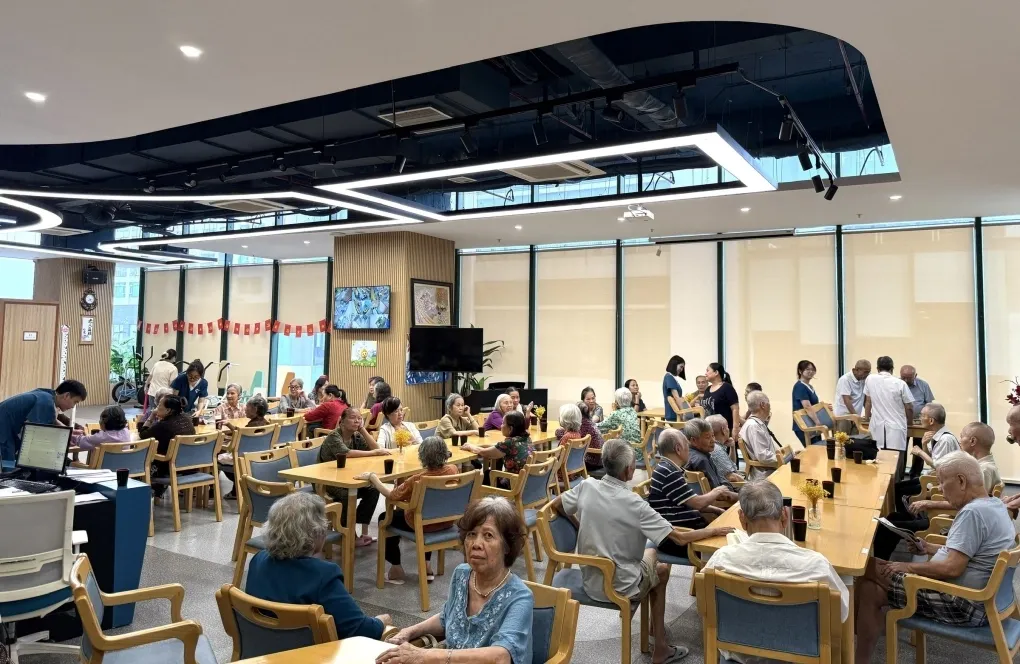
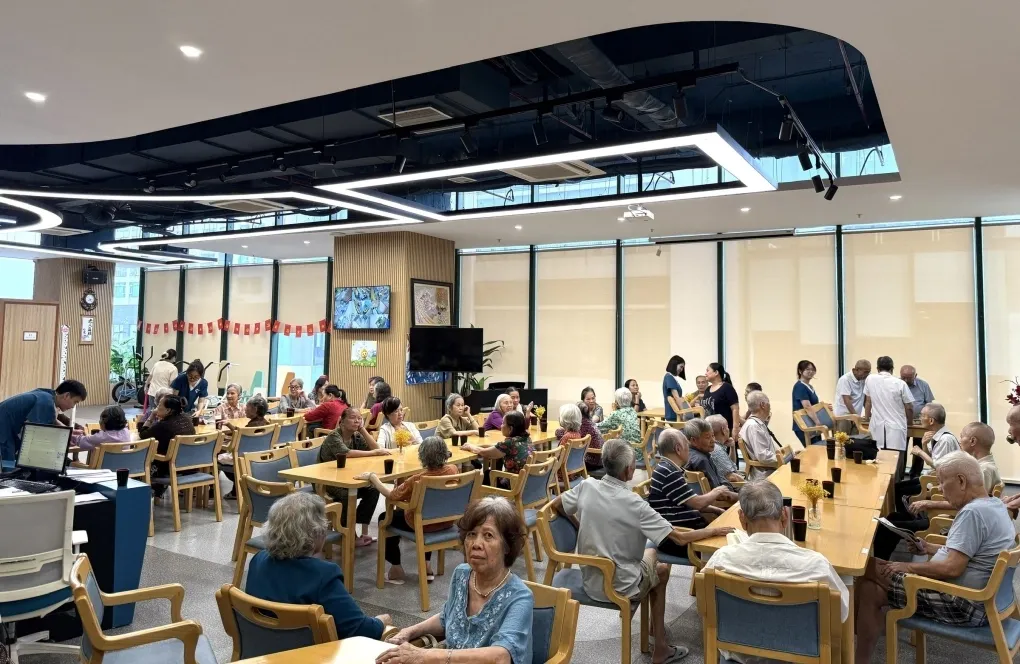
Another undeniable humane value of nursing homes lies in completely solving the problem of mental isolation for the elderly. When living in their own homes while children and grandchildren go to work all day, older people often have to face four lonely walls, easily falling into a state of depression, self-pity, or an inferiority complex from feeling redundant. Conversely, at reputable nursing homes, they regain positive life energy through a community of peers. Here, the elderly can participate in wellness clubs, group physical therapy, play chess, do crafts, and engage in daily cultural exchanges, transforming their twilight years into a period of enjoying care and deep social connection.
The current openness in thinking is also driven by the emergence of flexible service forms, notably the day-care nursing model with the motto "go in the morning, return in the afternoon." This model operates similarly to a day-care school, where during the day, the elderly are taken to the center to participate in physical and mental exercise activities, periodic medical check-ups, and balanced dining, and in the evening, they return to gather and have dinner with their children and grandchildren. This flexibility helps dispel the feeling of being "sent away" or emotionally distanced from the family, while ensuring the elderly still live in a scientific and safe environment.