
For many years, Vietnam has consistently appeared in lists of the world's most budget-friendly destinations voted on by international organizations. However, in the context of a dynamically shifting global tourism market, a major question arises: does this "cheap" positioning still accurately reflect reality, and is the quality of Vietnam's services truly commensurate with the amount of money tourists spend?
Absolute competitive advantage in costs
It is undeniable that Vietnam is one of the countries with the most optimized travel costs in the Asia-Pacific region. According to data from the Vietnam Travel Cost Index, a backpacker can comfortably live in Vietnam with a budget of only 30 to 50 USD per day. For the mid-range segment, costs fluctuate around 80 to 150 USD per day, which already includes boutique hotels, restaurant meals, and some guided sightseeing tours.
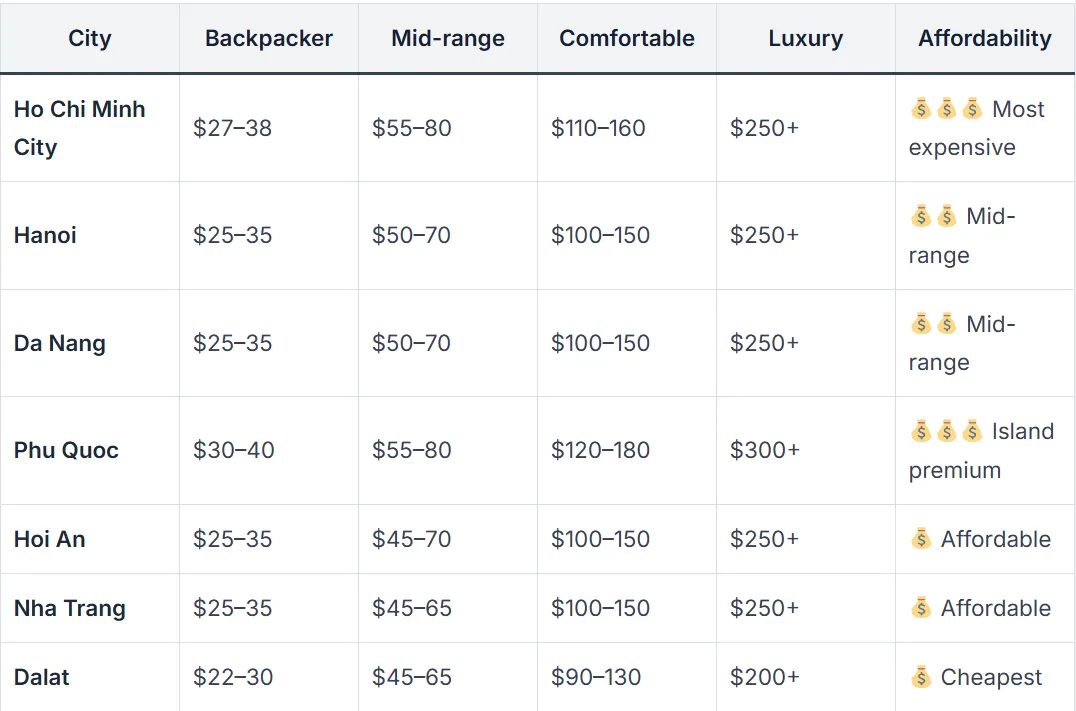
This level of spending is significantly lower compared to traveling in most European cities or neighboring countries like Singapore and Malaysia. The price reasonableness spans from the accommodation system to street food, where tourists only need to spend about 2 USD to enjoy a bowl of traditional pho with an authentic local flavor. Even the average room rate in famous destinations like Ninh Binh is only 47 USD a night, making Vietnam a top choice for the slow travel trend and the remote work (Digital Nomad) market.
Breakthroughs in the high-quality segment
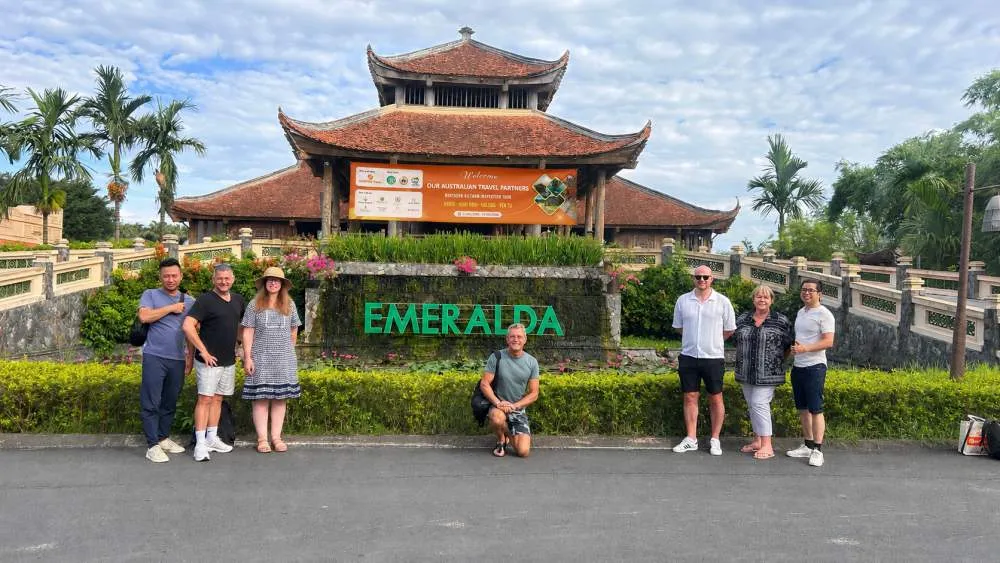
Although cheap costs act as a magnet attracting a large number of visitors, Vietnam's tourism is proving its outstanding service supply capacity far beyond the "good price" label. The entire country currently boasts 9 UNESCO-recognized World Heritage sites alongside a system of world-class destinations. Actual statistics from travel enterprises show that many international partners, especially the Australian, European, and American markets, have expressed surprise at the transformation of Vietnam's resort infrastructure.
Instead of cheap tours, Vietnam's high-end segment now possesses highly unique products. These include luxurious 5-star cruise itineraries in Ha Long Bay, adventure tours exploring Son Doong Cave at prices up to 3,000 USD per person, or ultra-luxury resort packages worth tens of thousands of dollars at isolated resorts in the Central region. This proves that the quality of domestic tourism services has reached maturity, capable of satisfying customer groups with the most stringent demands for comfort and personalization.
Bottlenecks to resolve
Despite possessing great potential, Vietnam's tourism picture still harbors paradoxes in terms of economic efficiency. Revenue analysis data from Outbox points out a concerning reality: although the number of international visitors has grown strongly, revenue growth only moves in parallel with quantity, rather than increasing proportionally in terms of spending value per capita. International tourists coming to Vietnam are willing to spend money on food and sightseeing but are very hesitant when it comes to shopping.
The main reason lies in the fact that the service ecosystem in many localities remains fragmented and lacks synchronization. Major destinations are still suffering from a severe shortage of night-time economy tourism products, large-scale art shows, high-end entertainment complexes, and sufficiently attractive duty-free shopping areas. The situation where foreign tourists come to Quang Ninh just to board a cruise, sleep for one night, and then leave without additional spending shows that we are wasting a massive economic resource. To compete squarely with formidable regional rivals like Thailand or Singapore, Vietnam needs to make a strong shift from a price-competition model to competing through the experience value chain.