Vietnam is becoming an increasingly attractive destination for international tourists. Not only does the country boast a long coastline, diverse natural landscapes, and a distinctive cultural heritage, but it also offers relatively competitive costs compared with many other destinations in the region.
So, what makes international tourists choose Vietnam for their holiday?
One of the key factors making Vietnam attractive to international tourists is its relatively affordable travel costs. From accommodation and dining to transportation and sightseeing activities, travelers can choose from a wide range of budgets. This makes Vietnam suitable for different groups of tourists, from budget travelers to luxury vacationers.
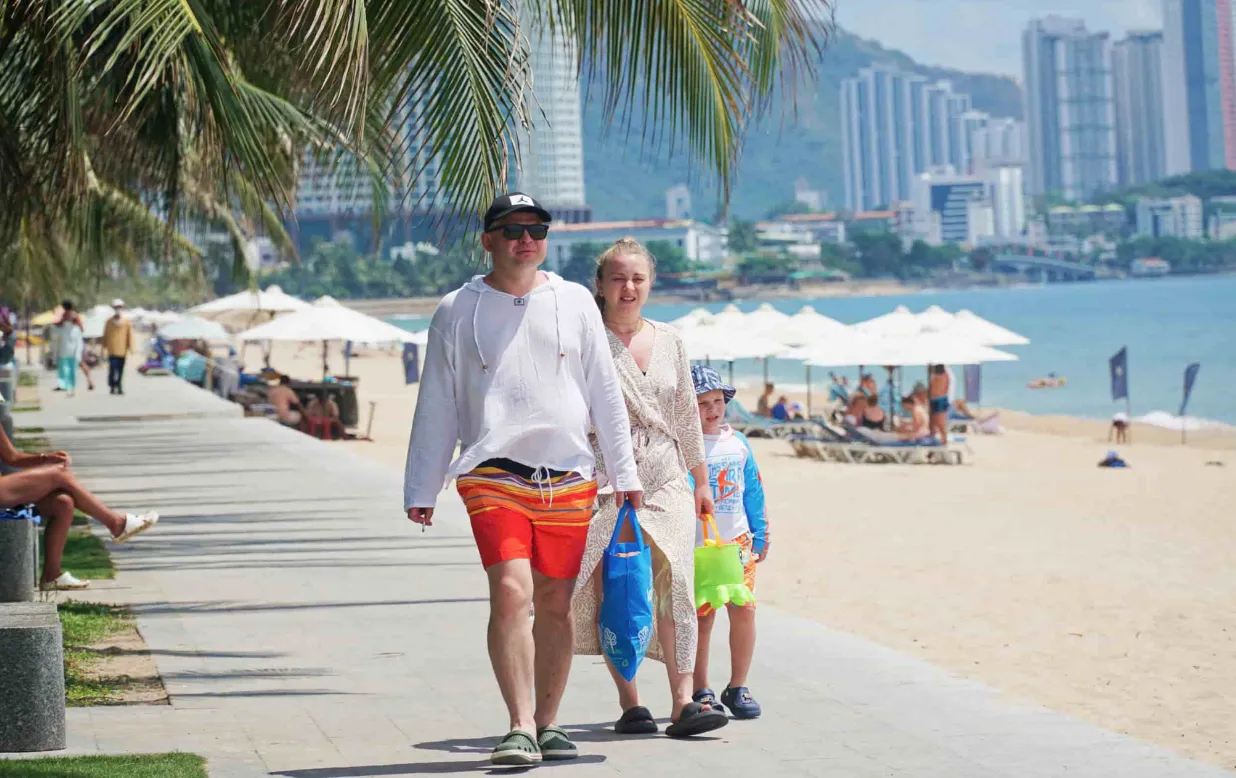
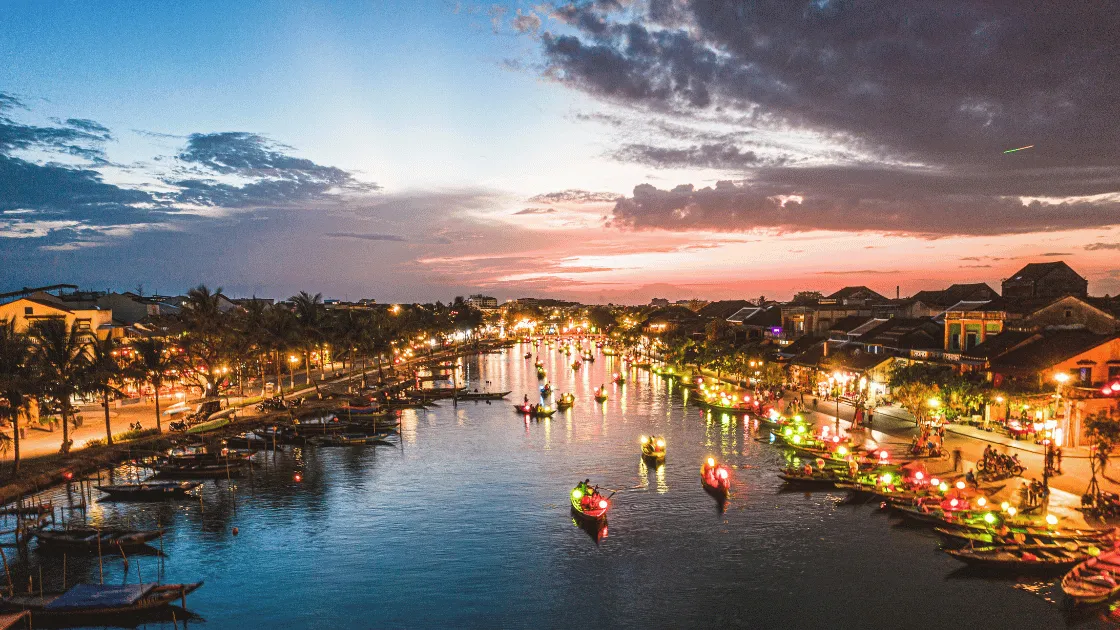
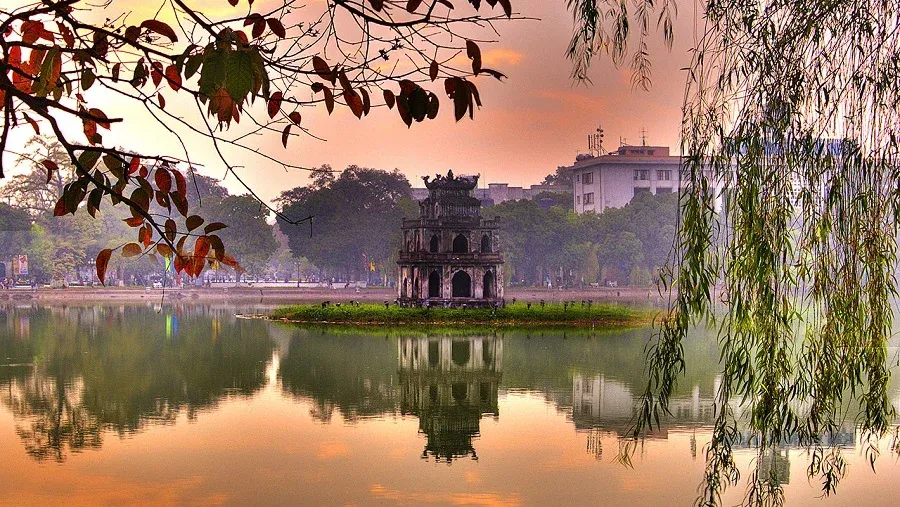
Vietnam offers a diverse range of destinations, from beaches and islands to mountains, forests, and cities rich in historical value. Visitors can choose a beach vacation in Phu Quoc, Da Nang, or Nha Trang; explore nature in Ha Giang, Sa Pa, or Ninh Binh; experience the ancient and imperial culture of Hanoi, Hue, and Hoi An; or discover the river-based lifestyle of the Mekong Delta. This diversity allows tourists to easily combine relaxation, exploration, and cultural experiences in a single trip.
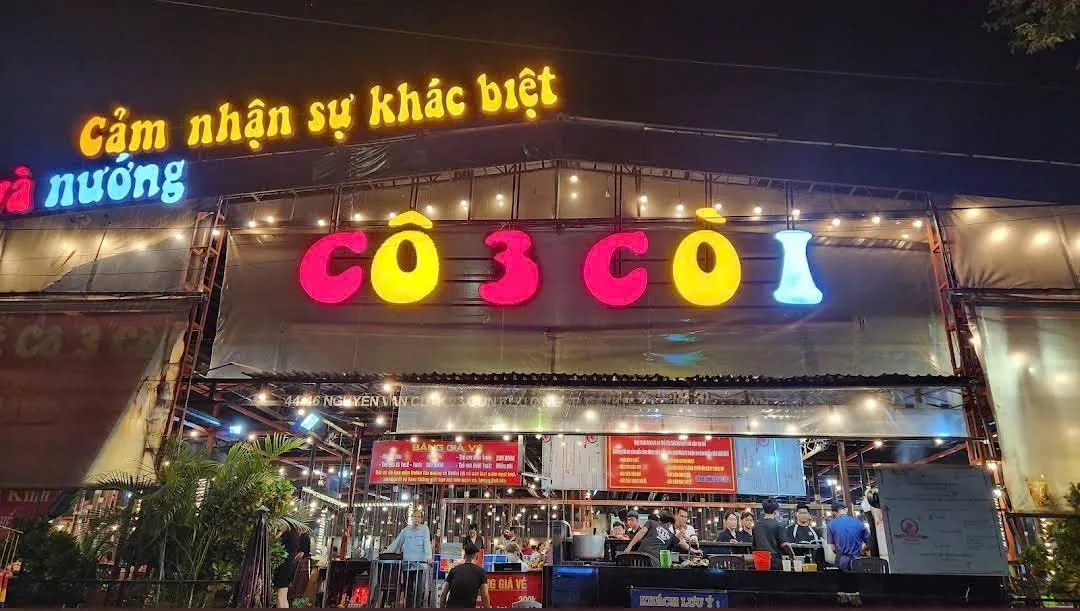
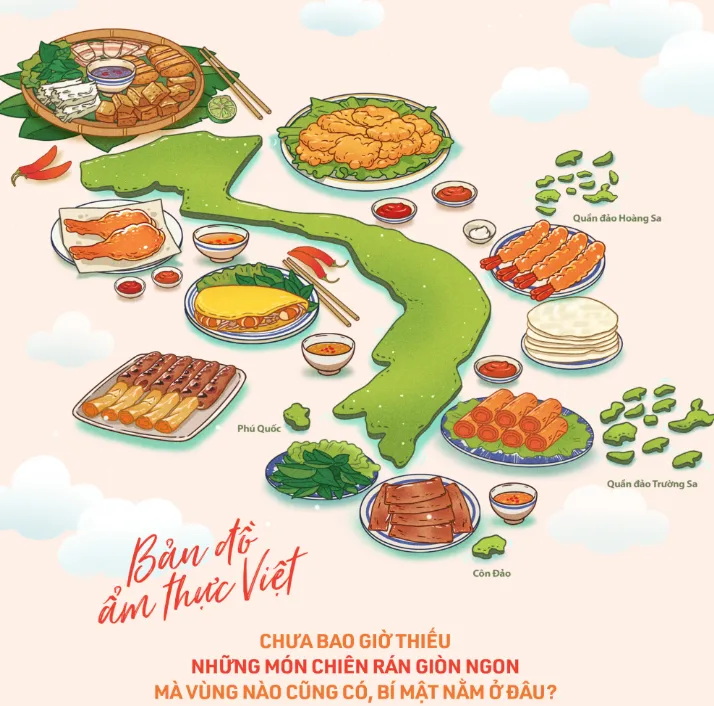
Vietnamese cuisine is diverse and features many delicious and famous dishes such as banh mi, pho, and Vietnamese coffee. Each locality has its own distinctive specialties and flavors. In Northern Vietnam, visitors can enjoy Hanoi pho, one of the region’s most famous specialties, as well as bún chả, a well-known dish that a former U.S. president once visited Vietnam to enjoy. Central Vietnam is famous for rich and spicy dishes such as bún bò Huế, mì Quảng, Cao lầu Hội An, cơm hến, bánh bèo, bánh xèo, bánh nậm, and nem lụi. Meanwhile, Southern Vietnam impresses visitors with its mildly sweet flavors and abundant ingredients, including Nam Vang-style hủ tiếu, Mekong Delta bánh xèo, mắm hotpot, grilled snakehead fish, cơm tấm, fish noodle soup, and coconut-based dishes. The Central Highlands also offers specialties such as cơm lam, grilled chicken, grilled meat, and sour soup with giang leaves. The Southwestern region is known for dishes such as linh fish braised with sugarcane, linh fish and sesbania flower hotpot, banh cong, banh pia, and bun nuoc leo. Each dish not only has its own distinctive flavor but also reflects the culture, customs, and everyday life of people in each region.
Vietnamese culture creates a diverse and distinctive cultural picture. Each region has its own characteristics in terms of lifestyle, customs, language, cuisine, and traditions, all contributing to the shared cultural identity of the nation.
Northern Vietnam is a region with a long history and deeply rooted traditions, particularly in the Red River Delta. Northern culture is often characterized by formality, sophistication, and an emphasis on etiquette. Hanoi, Bac Ninh, Ninh Binh, and Hai Phong are representative localities with numerous historical sites such as the Thang Long Imperial Citadel, Ho Citadel, and Co Loa Ancient Citadel, as well as traditional festivals and long-established craft villages. Traditional folk art forms such as Quan Ho Bac Ninh, Cheo, and Ca Tru, together with customs during the Lunar New Year, clearly reflect the cultural life of local people. In communication and daily life, Northern Vietnamese people often place importance on manners, etiquette, and family and community relationships.
Central Vietnam has a distinctive culture closely connected to its history, natural environment, and cultural exchanges. The region is home to famous heritage sites such as the ancient capital of Hue, Hoi An Ancient Town, and My Son Sanctuary. Central Vietnamese culture is expressed through its simplicity and depth, while also being rich and strong in character. Folk songs, Hue Royal Court Music, traditional dances, festivals, and ancient architecture create a unique identity for the region. Central Vietnamese people are also known for their simple lifestyle, resilience, hard work, and strong attachment to their homeland.
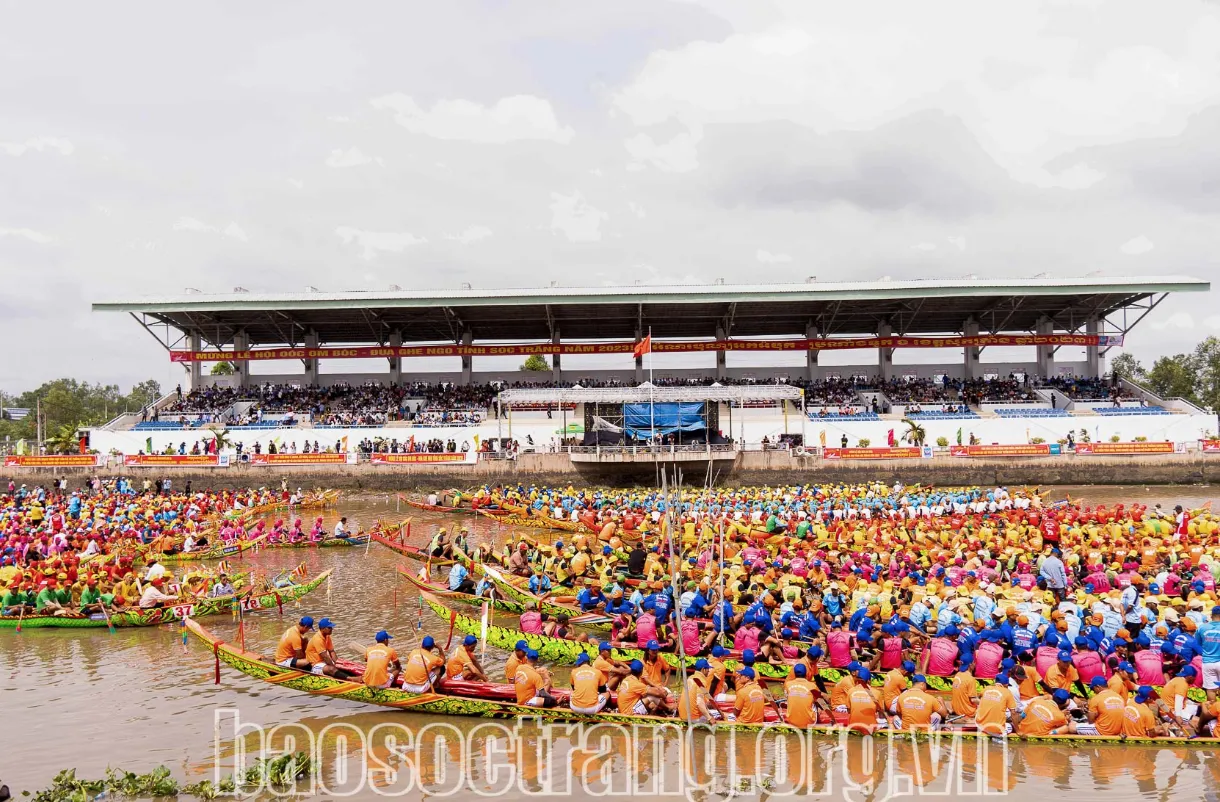
Southern Vietnam has a more open, liberal, and approachable cultural character. Due to the historical development of new settlements and interaction among different communities, Southern culture is diverse and flexible. In particular, river-based culture is clearly reflected in the Mekong Delta through Cai Rang Floating Market in Can Tho, the Ok Om Bok Festival and Ngo boat racing in Soc Trang, traditional fishing villages, fish sauce-making villages in Kien Giang, and lifestyles closely connected to rivers and waterways. Don Ca Tai Tu, folk festivals, and community activities are also representative cultural features. Southern Vietnamese people are often known for their sincerity, generosity, and hospitality.
International tourists today are not only looking for sightseeing and travel experiences but are increasingly seeking more personalized experiences. Vietnam is able to meet a wide range of needs among international travelers, including luxury vacations, beach and island tourism, cultural tourism, culinary tourism, nature tourism, adventure tourism, wellness tourism, and long-term stays.
In addition to short trips, Vietnam also has the potential to attract visitors who wish to stay for longer periods or experience life in Vietnam. Cities and coastal areas can become attractive choices thanks to their climate, cost of living, tourism services, and increasingly developed amenities and infrastructure.