
The essence of budget travel does not lie in cutting every expense to an extreme, but in making smart choices to maximize the value of every dollar spent.
Many travelers mistakenly believe that saving money means staying in poor-quality places, eating basic meals, and giving up entertainment activities. This mindset inadvertently turns a journey of exploration into an experience of endurance, eliminating much of the emotional meaning of travel.
The key to creating a fulfilling trip is understanding which “pointless” expenses can be cut and which core values should never be compromised.
Expenses to cut aggressively to protect your budget
Transportation and departure times
Instead of restricting yourself to flights at convenient times or crowded weekends, being flexible with your schedule by choosing off-peak hours or traveling during the low season is an ideal way to save money.
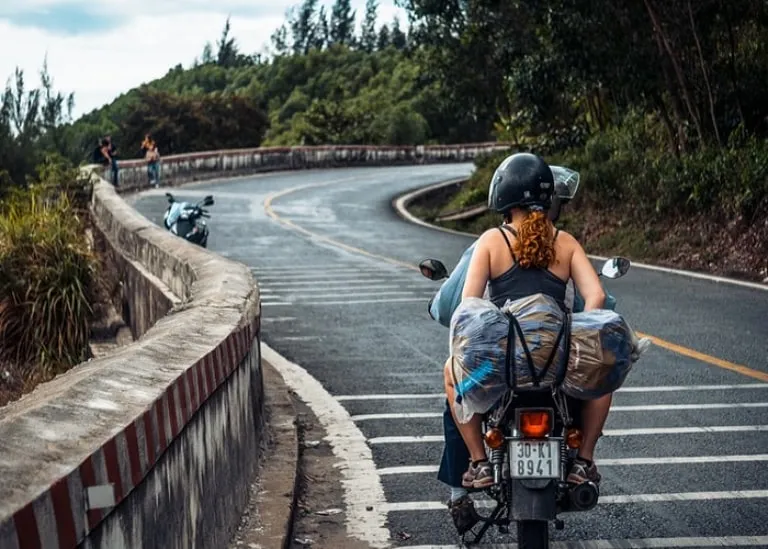
Airlines and accommodation providers often offer deep discounts to fill capacity during the low season. Switching from business class to economy class or prioritizing public transportation and local buses instead of ride-hailing services at your destination can immediately cut one-third of your total trip budget without reducing the connectivity of the journey.
Luxury accommodation
Unless the sole purpose of the trip is to enjoy an all-inclusive resort experience, spending a large amount of money on five-star hotels in central locations can sometimes be wasteful, as travelers spend most of their day outside exploring.

Insights shared by the travel community on Reddit Travel suggest that travelers should consider alternative accommodation options such as serviced apartments, homestays, or hotels located slightly farther from the city center but with convenient transportation connections. These options not only offer more affordable prices but also provide opportunities to experience the everyday living environment of local residents.
Emotional spending on food and souvenirs
Restaurants located right next to famous tourist attractions often charge high prices because of expensive rental costs, while the quality of the food is sometimes not proportionate to the price. Actively looking for eateries in alleys that serve local residents or visiting traditional markets can help you enjoy authentic local flavors while saving on unreasonable additional costs.
Similarly, mass-produced souvenirs at airport shops or tourist areas often have little practical value but take up luggage space and consume a considerable amount of travelers' money.
Core values that should never be compromised or cut
Personal safety at the accommodation
An extremely cheap accommodation facility that lacks basic security measures and is located in an isolated area or a high-crime neighborhood can put travelers in dangerous situations involving both their lives and property. Spending a reasonable amount of additional money in exchange for a clean and safe room with secure locking systems and many positive reviews from the community is a completely worthwhile investment.
Travel insurance
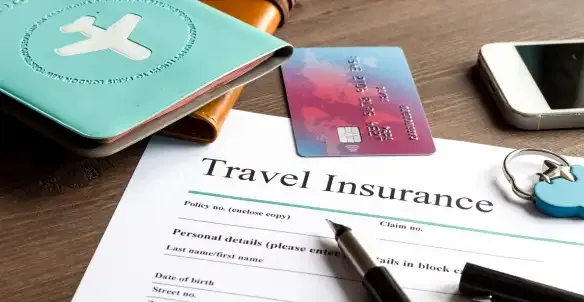
Many travelers consider insurance a wasteful expense because the probability of an incident occurring is low. However, when faced with unforeseen situations such as trip cancellations, lost luggage, or more serious health emergencies requiring medical treatment abroad, out-of-pocket costs can reach thousands of dollars and completely disrupt an individual's financial plans. Having comprehensive travel insurance is like having a safety net, allowing you to confidently respond to unexpected risks without falling into a financial crisis.
Signature experiences at the destination
You should not save money on an admission ticket to visit a national history museum, attend a high-quality artistic performance, or give up the opportunity to join a unique coral reef diving tour simply because you want to keep a small amount of money.