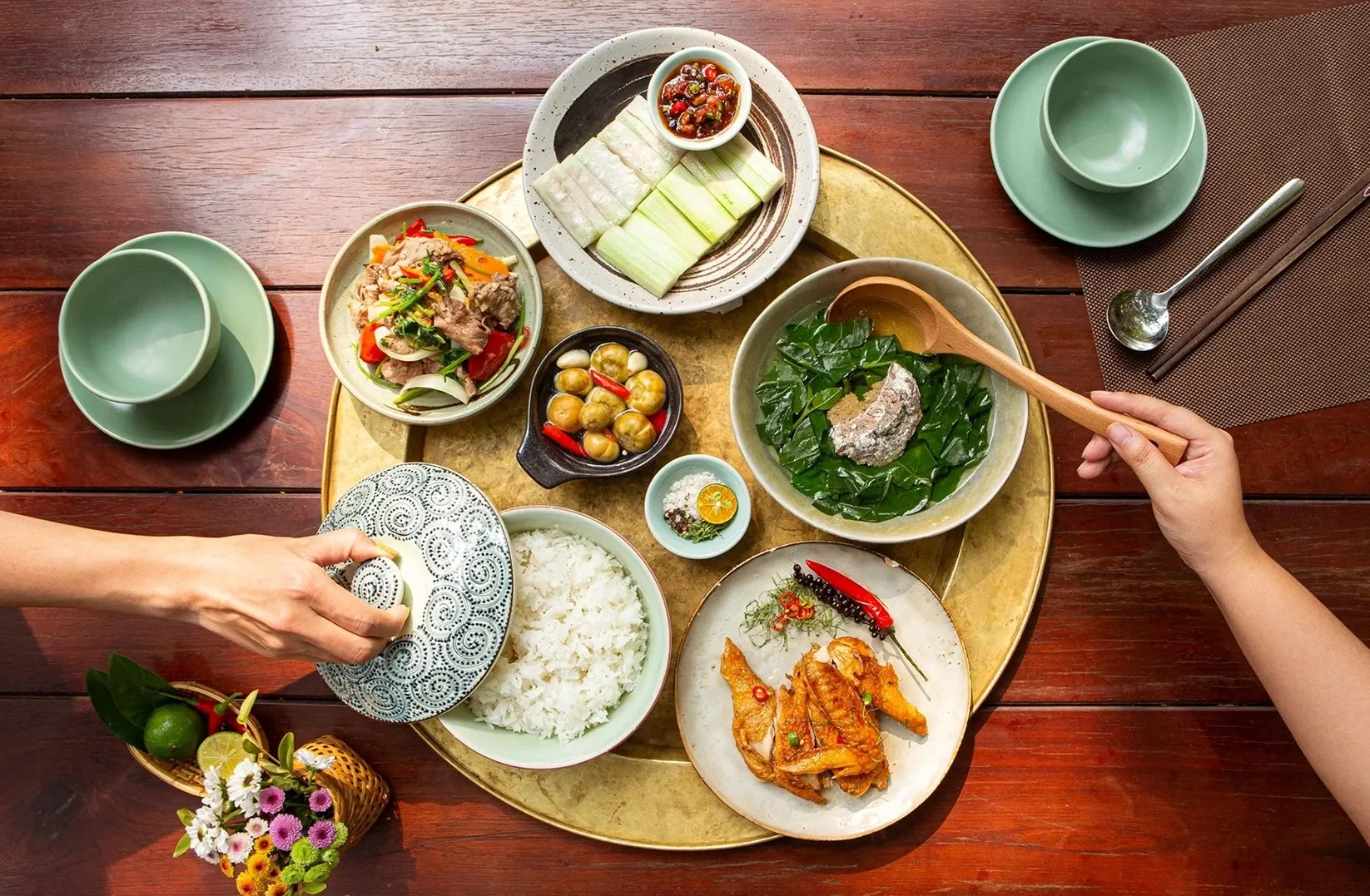
Stretching across the S-shaped country of Vietnam, with its diverse natural landscapes and thousands of years of history and cultural heritage, Vietnamese cuisine is an extraordinarily rich cultural ecosystem shaped by the harmonious interplay between people and the land. More than simply combining ingredients to sustain life, each Vietnamese dish is a work of art that conveys profound philosophies of life, worldviews, and the everyday habits of the people who inhabit each region.
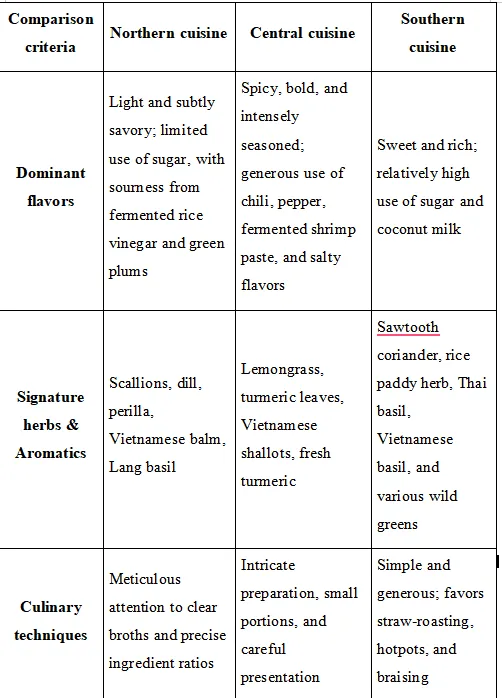
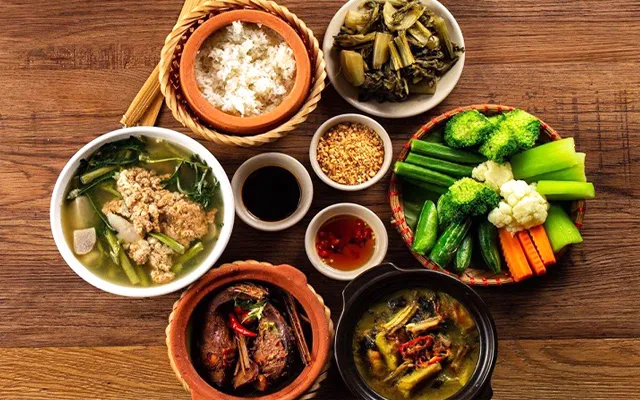
From the refined and restrained flavors of the North, to the spicy and intensely savory cuisine of Central Vietnam, and the generous, sweet flavors of the South, Vietnamese cuisine offers fascinating discoveries for anyone willing to explore it in depth. These differences are not merely superficial matters of taste; they are deeply rooted in culinary techniques, aesthetic sensibilities, and the ways in which food is prepared and enjoyed in each region.
Northern Vietnam
After serving as the country’s political and cultural center for centuries, Northern Vietnam, particularly Hanoi, has developed a culinary tradition that places great emphasis on achieving a delicate balance among seasonings. It respects the natural flavors of the main ingredients rather than relying excessively on sugar or chili. Northern dishes tend to have clean, balanced flavors, with a subtle saltiness and understated depth. Common aromatic herbs include scallions, dill, Vietnamese coriander, and, most notably, high-quality fish sauce, often complemented by the gentle sourness of fermented rice vinegar.
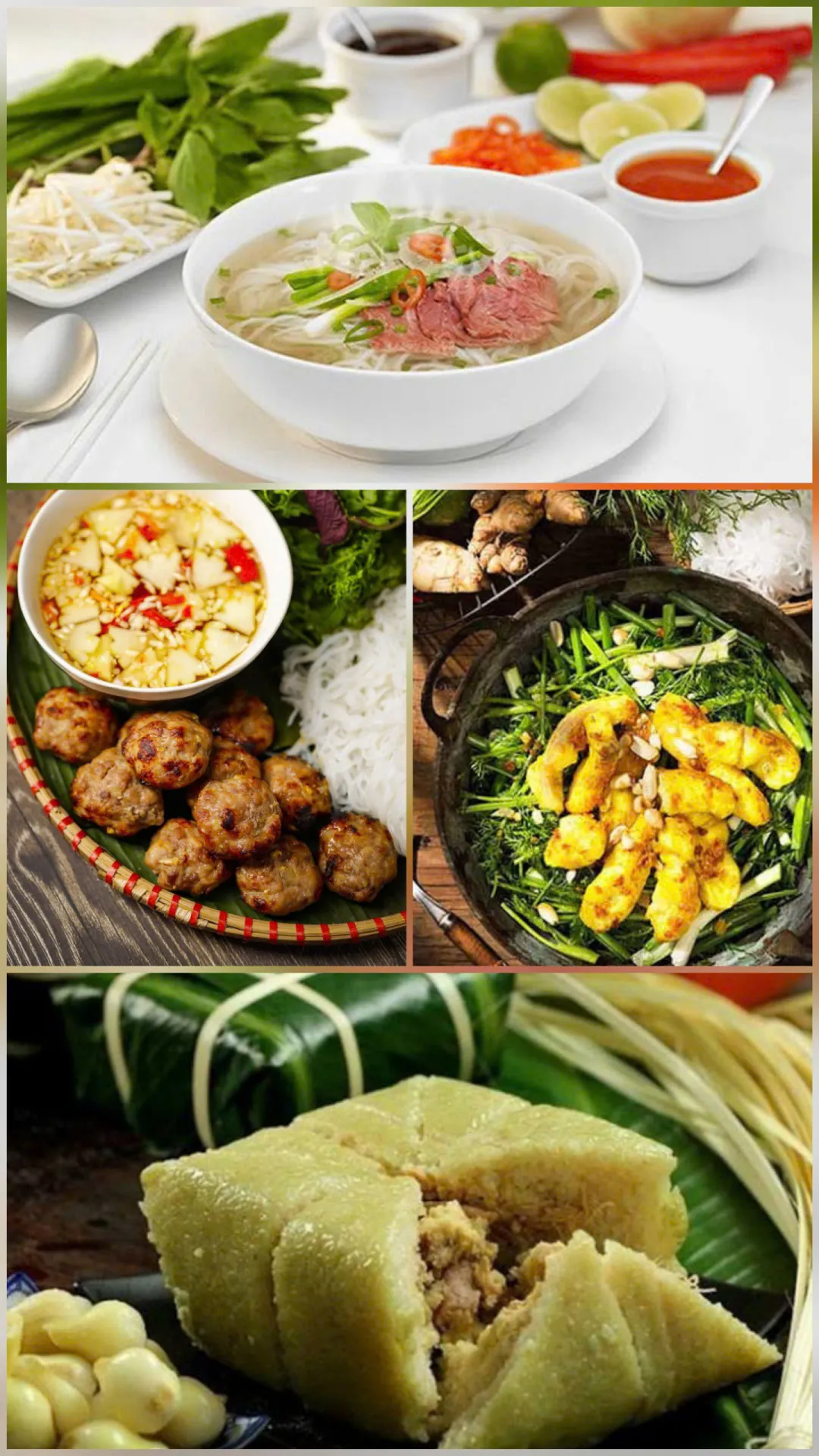
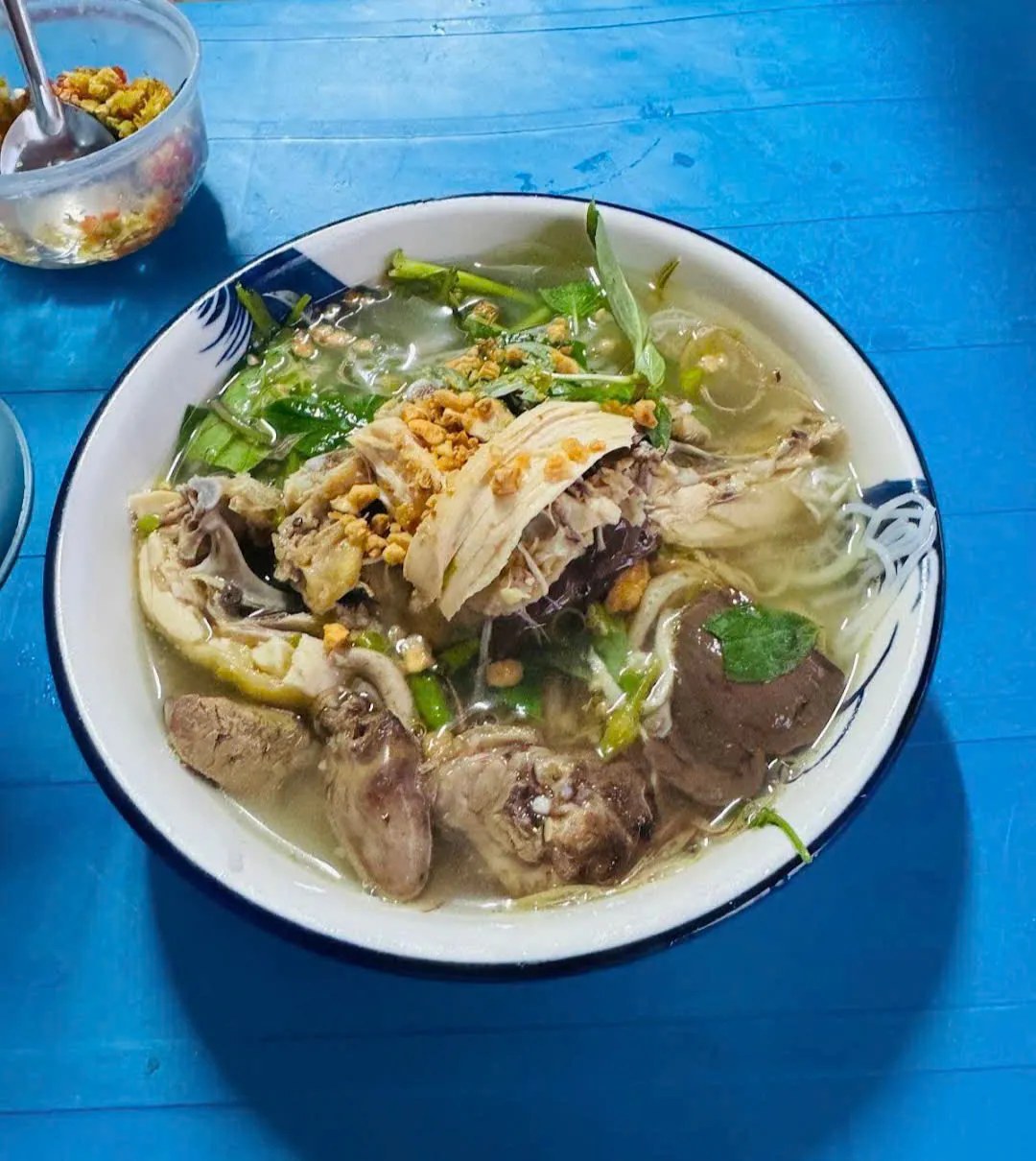
A traditional bowl of Northern-style “pho”, with its clear broth delicately sweetened by slowly simmered beef bones, silky rice noodles, and a few strands of finely sliced scallions, is a quintessential symbol of a culinary philosophy that values refinement, restraint, and the cultivated character associated with Northern culture.
Central Vietnam
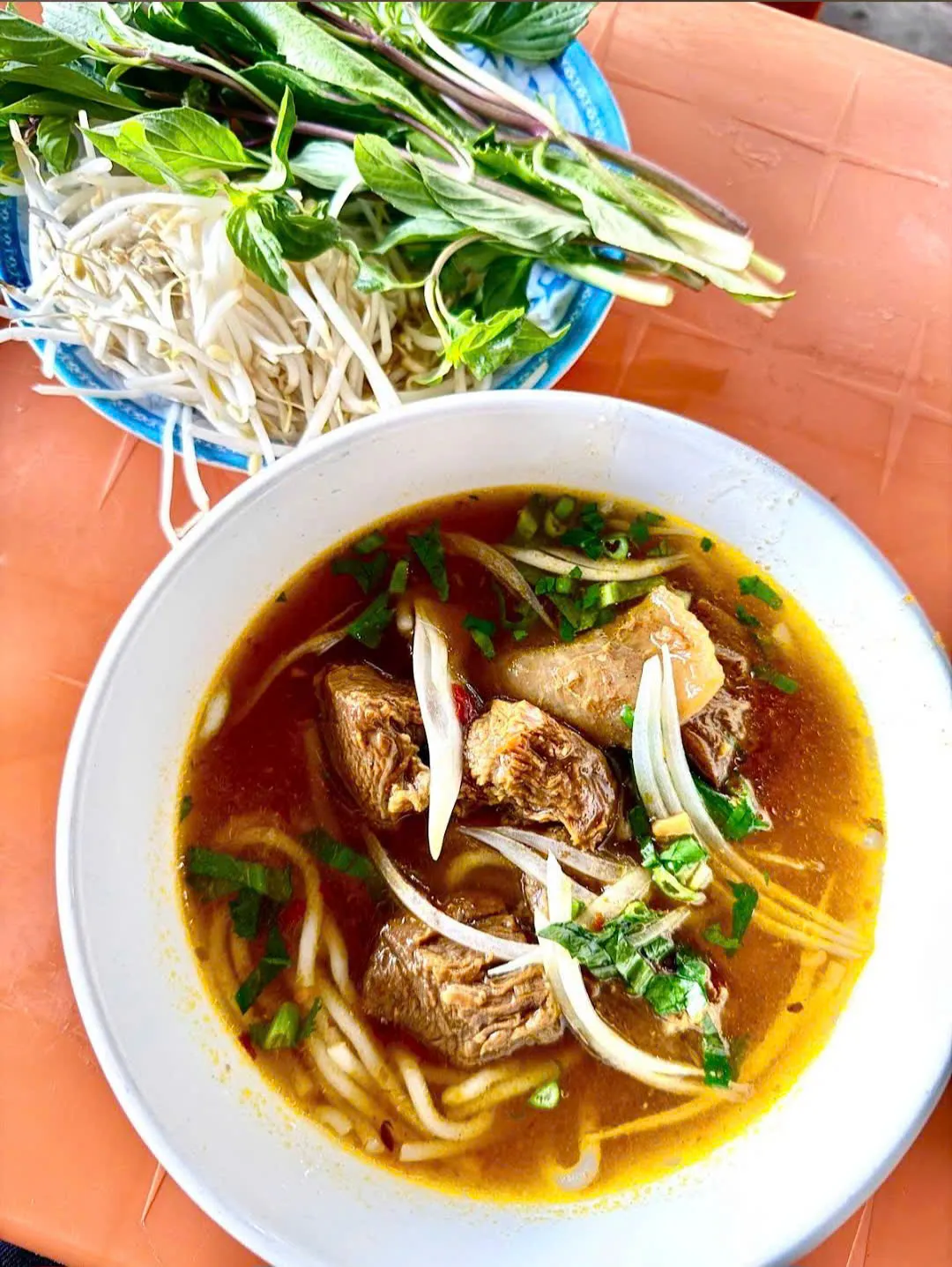
A harsh climate and recurring storms and floods have shaped a culinary tradition characterized by thrift and resourcefulness in the use of ingredients, combined with remarkable sophistication in preparation. Central Vietnamese cuisine, with Hue’s imperial and folk culinary traditions as its most celebrated expressions, is renowned for its bold use of ingredients such as chili, lemongrass, fermented shrimp paste, and shrimp paste to create intensely layered sensations on the palate. The heat in Central Vietnamese cuisine is not merely intended to stimulate the taste buds; traditionally, it has also been viewed as a way to warm the body and cope with the cold, salty winds of the coastal environment.
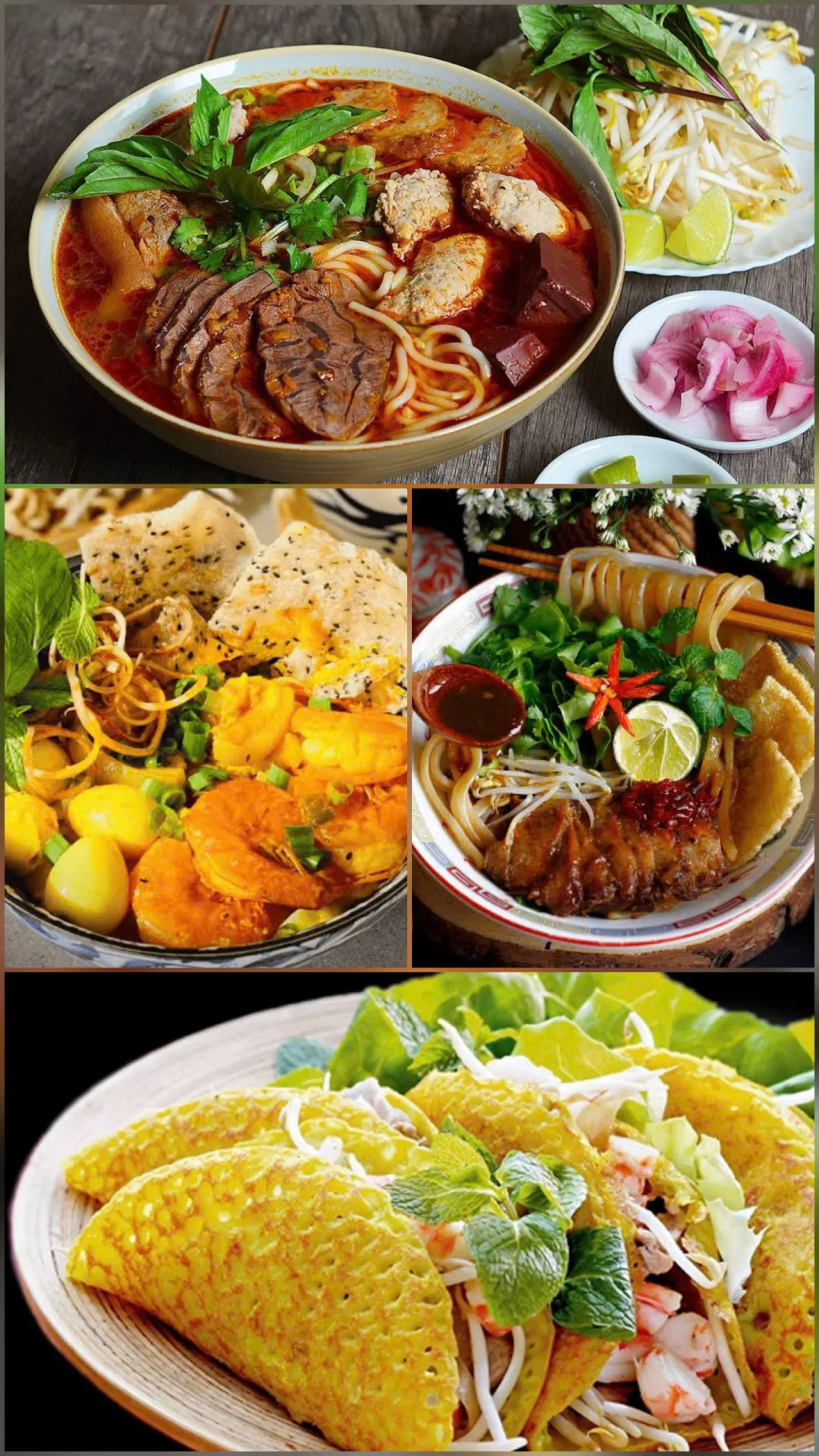
From a steaming bowl of “bun bo Hue”, fragrant with lemongrass and fermented shrimp paste, to delicate plates of “banh beo” and “banh bot loc”, Central Vietnamese dishes are meticulously prepared and presented. Their attention to detail reflects a cultural tradition that places a strong emphasis on etiquette, refinement, and aesthetic beauty.
Southern Vietnam
Blessed with an abundance of natural resources, Southern Vietnamese cuisine is generally less constrained by strict culinary rules. Instead, it emphasizes freshness, natural flavors, and spontaneous combinations shaped by instinct and local availability. One of its most distinctive characteristics is its pronounced sweetness, derived from palm sugar and granulated sugar, together with the rich creaminess of coconut milk, reflecting the visible influence of Khmer and Cham culinary traditions.
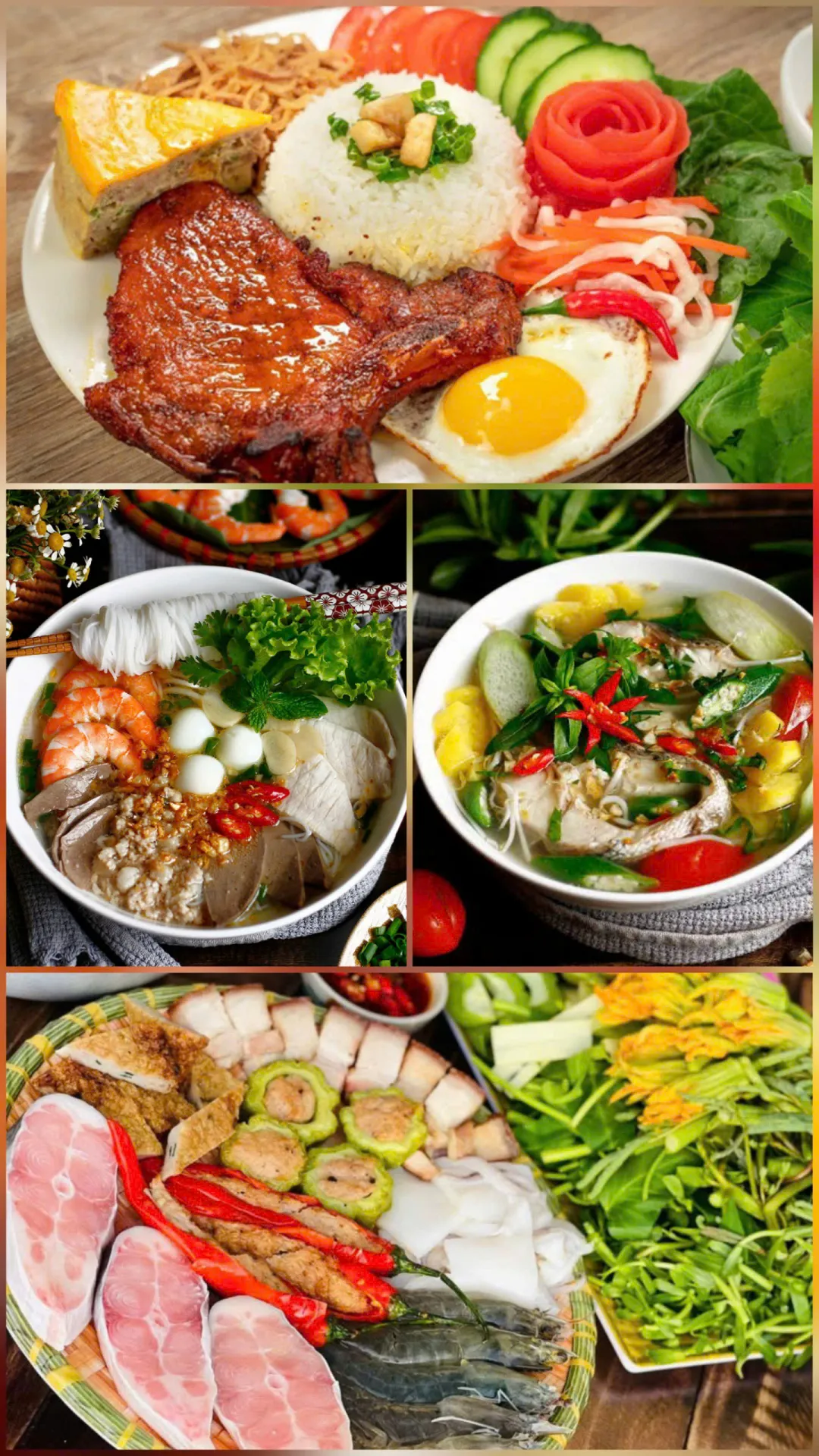
In addition, thanks to the region’s warm, sunny climate year-round, Southern dishes are often accompanied by an abundant variety of wild and field-grown vegetables, from sesbania flowers and water spinach to water lily stems and bitter herbs.