
What to do when isolated by your boss and dealing with two-faced colleagues?
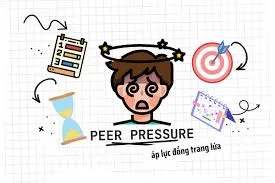
The workplace is inherently not just a place to get work done, but also where we spend most of our time every day. Everyone hopes to work in a collective that respects, supports, and acknowledges one another. However, reality is not always as expected. Some people have to face being isolated by their boss, or dealing with colleagues who are outwardly agreeable but inwardly resentful. This not only affects work performance but also gradually exhausts our spirit, creating an invisible pressure that makes us doubt ourselves.
When isolated by your boss, should you keep trying or find a new environment?

This is a question without a single correct answer for everyone, as each situation has its own factors that need to be viewed objectively. The important thing is not to make a hasty decision, but to take the time to comprehensively evaluate the situation you are facing, focusing on assessing the causes and the value of the job to yourself.
If the isolation stems from misunderstandings, lack of communication, or limitations in the working process... In this case, we should stay because there is a high possibility that this situation can change the boss's perspective. Try to improve, actively communicate, and prove your capabilities with actual results.
But if you have made efforts for a long time and are still continuously treated unfairly, unacknowledged, or have no room for growth... In this case, we can choose to leave to seek a new environment, and this departure is not a failure, but a choice to protect our own value.
What about when colleagues are two-faced?

Not everyone will like or support us. Therefore, don't let judgmental eyes or behind-the-back talks dictate your emotions. Focus on doing your job well, behave professionally, and maintain a necessary distance. However, if jealousy or envy has directly affected your work, harming your reputation or rights, then silence is no longer the right solution. At that time, communicate frankly, and defend your perspective with a calm and civilized attitude. Fighting here is not about winning or losing, but about maintaining fairness in the workplace and your own reputation.
Tips to "survive"
Maintain professionalism: Be polite to everyone, do not let emotions affect your work.
Speak less, observe more: Limit sharing personal matters or work plans when
unnecessary.
Save work evidence: Confirm tasks via email or messages to avoid misunderstandings.
Stay away from drama: Do not participate in badmouthing or spreading rumors in the workplace.
Set clear boundaries: Know how to say no to things that are not your responsibility.
Let your ability speak: Work results and a professional attitude are the best ways
to build credibility.
Don't try to please everyone: Not everyone will like you; focus on your own value and growth.
What should you do if the job is truly important, suitable, and something you want to stick with long-term?
First of all, calmly look at the problem objectively to determine where the cause comes from - whether from ability, the individual, or the collective... Focus on completing your work well, constantly improving your professional capacity, and maintaining a professional attitude in all situations. At the same time, proactively build positive relationships and communicate clearly with your superiors and colleagues to limit unnecessary misunderstandings. When your rights or reputation are affected, do not hesitate to speak up tactfully and with grounds. Most importantly, always uphold your self-worth and stay steadfast in your career goals, rather than letting workplace conflicts shake your decision to stick with a job you truly love.
Work is an important part of life, but it is not the entirety of life. A good environment will help us grow, while a toxic environment only gradually depletes our energy and enthusiasm. Therefore, do not choose to endure just because you fear change, nor hastily give up just because you encounter difficulties. Be brave enough to fight when necessary, alert enough to know when to stay, and also courageous enough to leave when that place is no longer worthy of your efforts.
A 3-step guide to protecting yourself against workplace "storms"
Record work evidence: Don't just communicate verbally. For important tasks, confirm via email, messages, or work management platforms, and save the implementation progress. When there are misunderstandings or disputes about responsibilities, this evidence will objectively help you protect your rights.
Build a positive colleague network: If the environment in your department is too stressful or shows signs of isolation, proactively connect with colleagues in other departments. Positive relationships not only help you broaden your perspective and learn from experiences but also provide extra encouragement and support when facing difficulties at work.
Learn how to decline tactfully: Do not take on everyone else's work or accept tasks beyond your capabilities just to be accepted. Say no with a polite attitude, a clear reason, and prioritize fulfilling your own responsibilities and goals (KPIs). Knowing how to set boundaries at the right time is the way to protect both your work performance and mental health.