
AI - A Support Tool for Humans, Not for Human Dependence
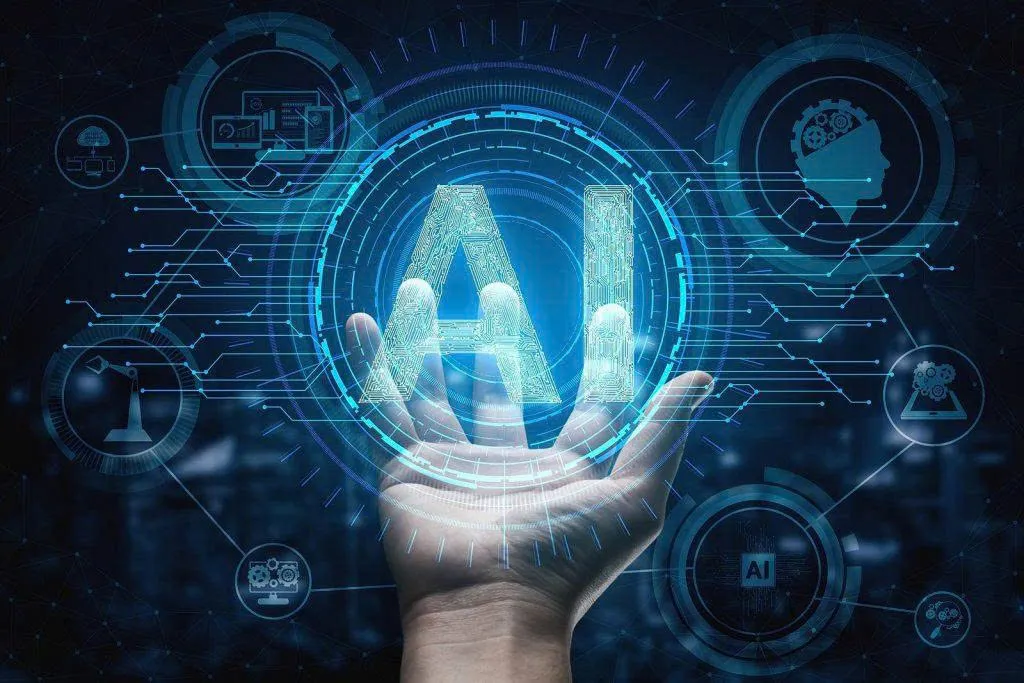
In today's era of robust technological development, artificial intelligence, or AI, is gradually becoming a familiar part of human life. From studying and working to entertainment, AI appears everywhere with its ability to process data rapidly and support humans in various fields. The advent of AI is a massive leap forward in science and technology, bringing incredibly remarkable conveniences. However, no matter how smart it is, AI is just a support tool, and humans should not depend too much on it.
AI was created with the purpose of helping humans solve tasks faster, save time, and improve work efficiency. Thanks to its ability to analyze data and process information in a short time, AI can assist in knowledge searching, translation, content creation, design, programming, or even participate in the medical and educational fields. In just a few seconds, AI can synthesize a multitude of information that used to take humans hours to search for. This makes life much more convenient and modern.
It is undeniable that AI has brought many immense benefits. In education, AI supports students in looking up documents, explaining lessons, and accessing diverse sources of knowledge. In the workplace, AI helps humans process data, automate many repetitive tasks, and reduce work pressure. In the medical field, AI also assists in image analysis, predicting pathologies, and contributing to improving treatment quality. It is these utilities that make AI increasingly trusted and widely used.
However, AI is not always perfect. Despite its capability to process colossal amounts of information, AI still only operates based on provided data and pre-programmed algorithms. This means that AI can still provide misleading, inaccurate, or unverified information. There are cases where AI synthesizes too many different data sources, making it difficult for users to distinguish right from wrong. If receiving information passively without self-verification, humans can easily be misled by inaccurate content.
Besides, no matter how modern machines are, they cannot completely replace human thinking, emotions, and creativity. AI can write an essay, create a painting, or give advice, but it does not truly understand emotions, experiences, and spiritual values like humans do. Things that belong to empathy, morality, or the perception of life still require the human heart and mind to be complete.
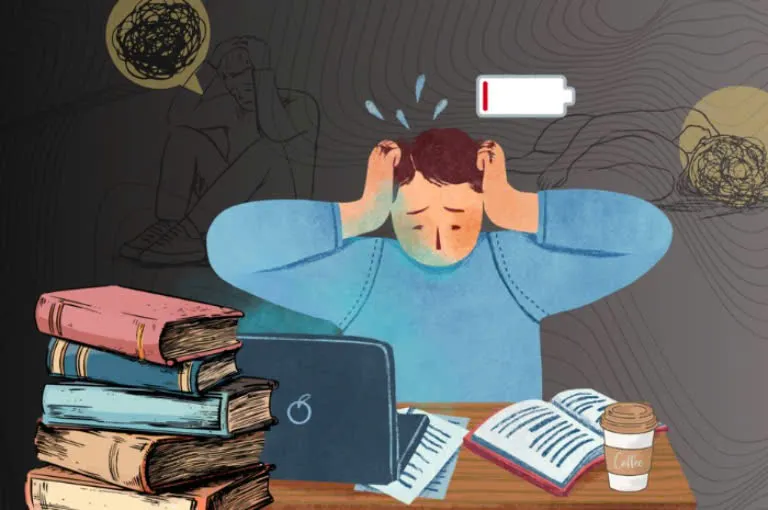
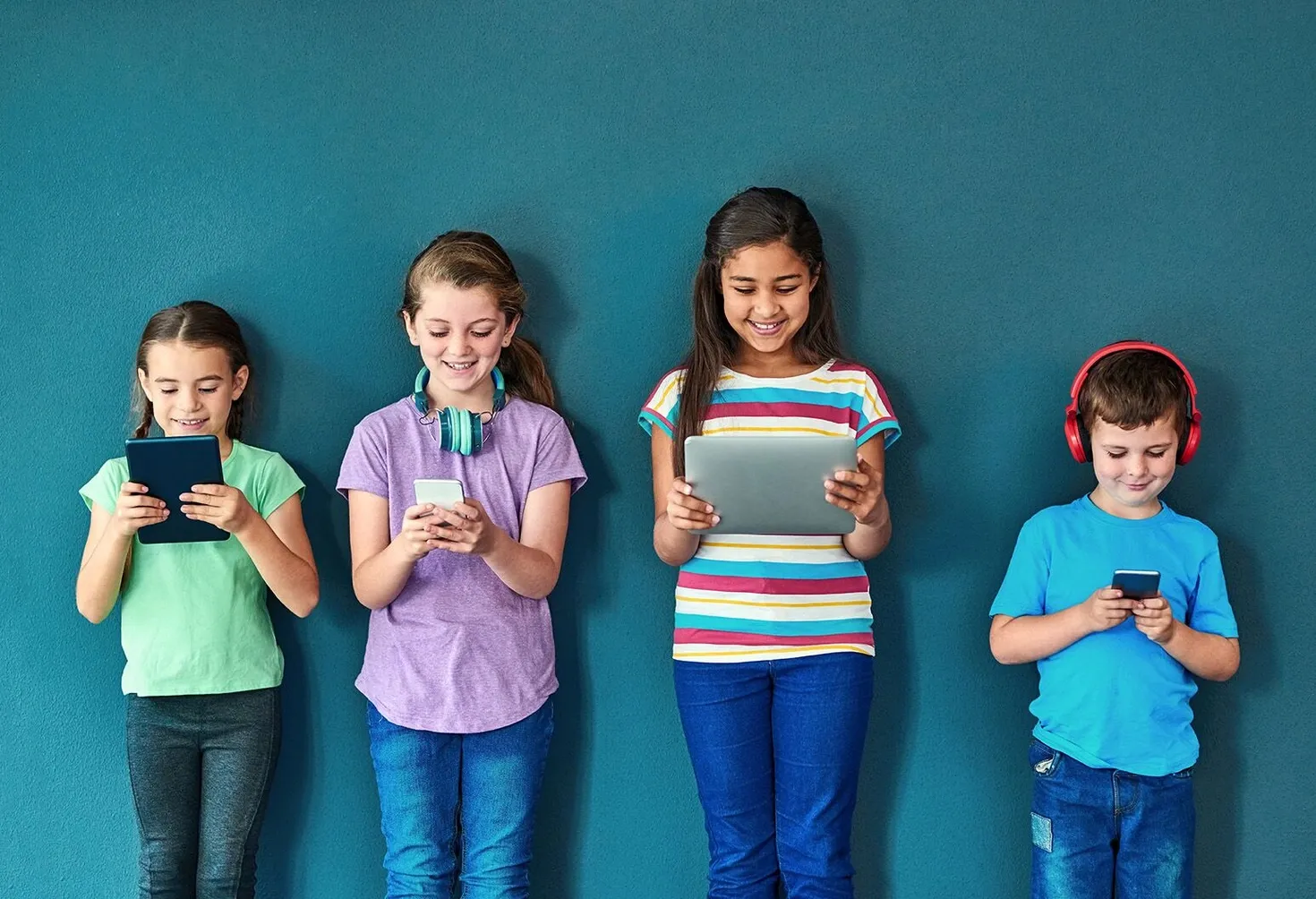
What is concerning nowadays is that many people are gradually depending too much on AI. Some people use AI for almost everything without actively thinking or exploring anymore. Students use AI to do homework instead of self-studying, and workers rely entirely on AI without double-checking the content. Over time, this can cause humans to lose their inherent independent thinking ability, creativity, and proactivity. When getting too used to being provided with ready-made answers, humans easily become lazy in thinking and lack practical problem-solving skills.