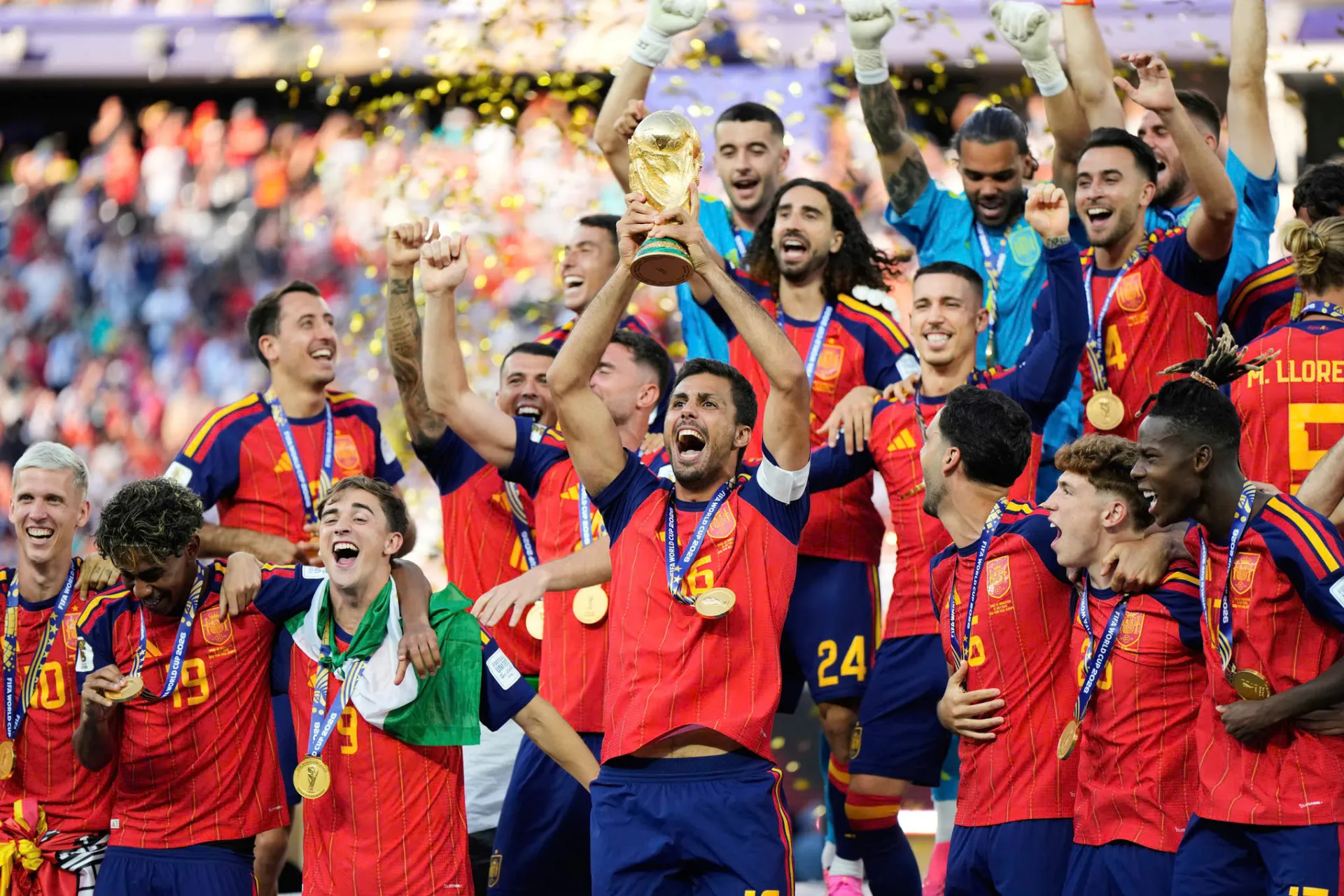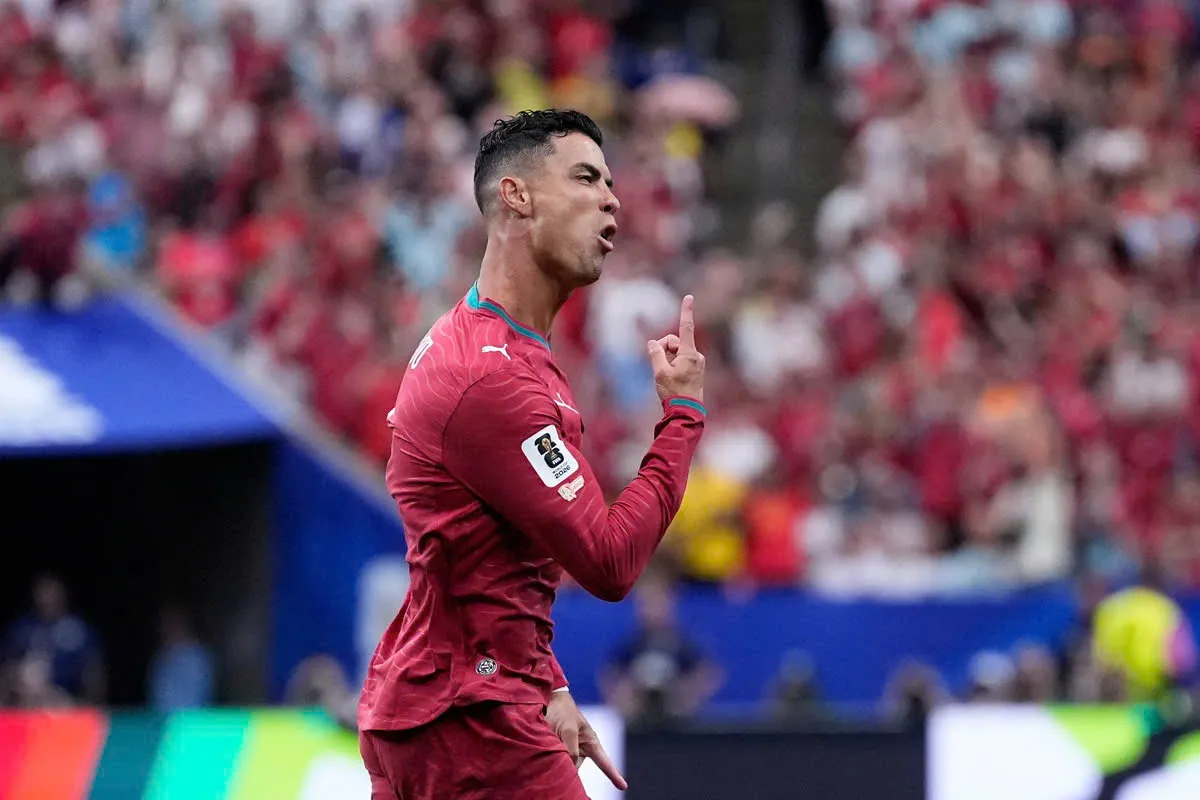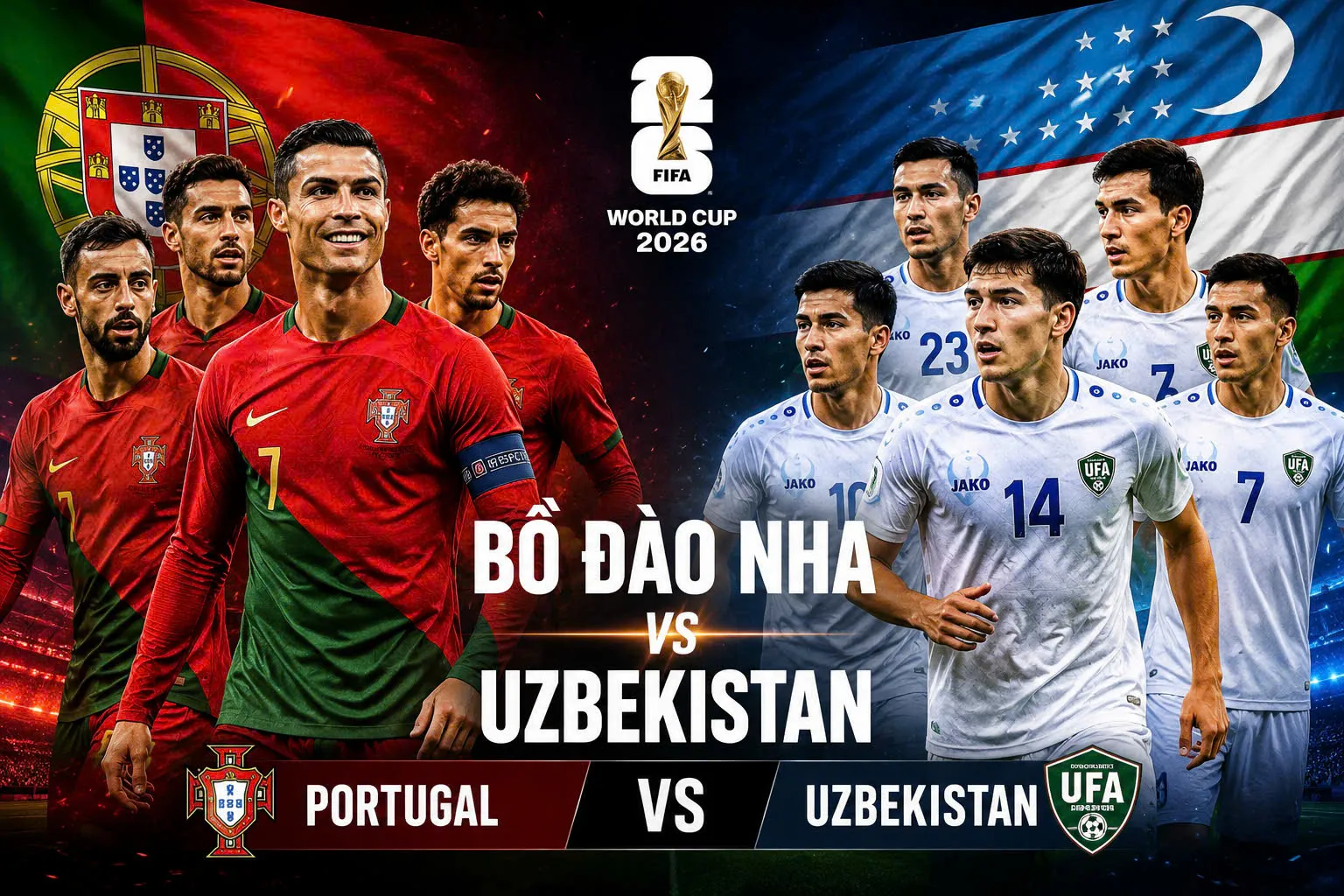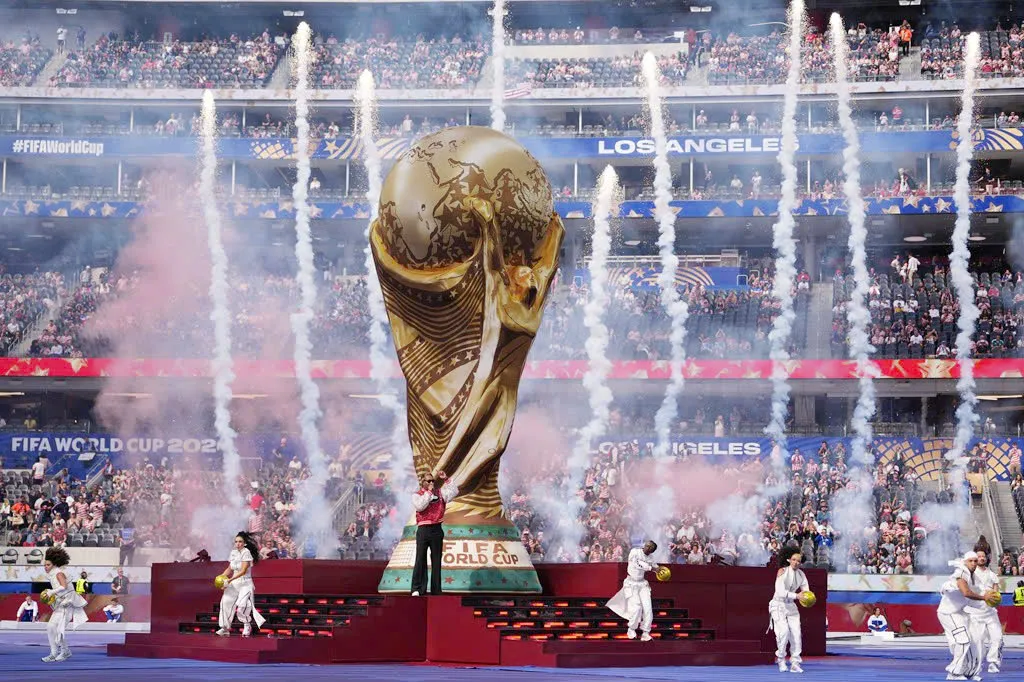
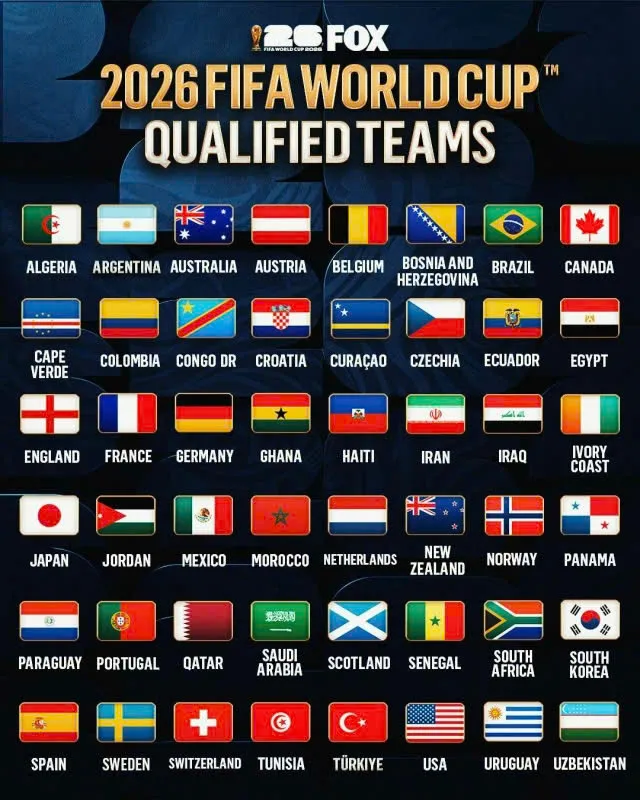
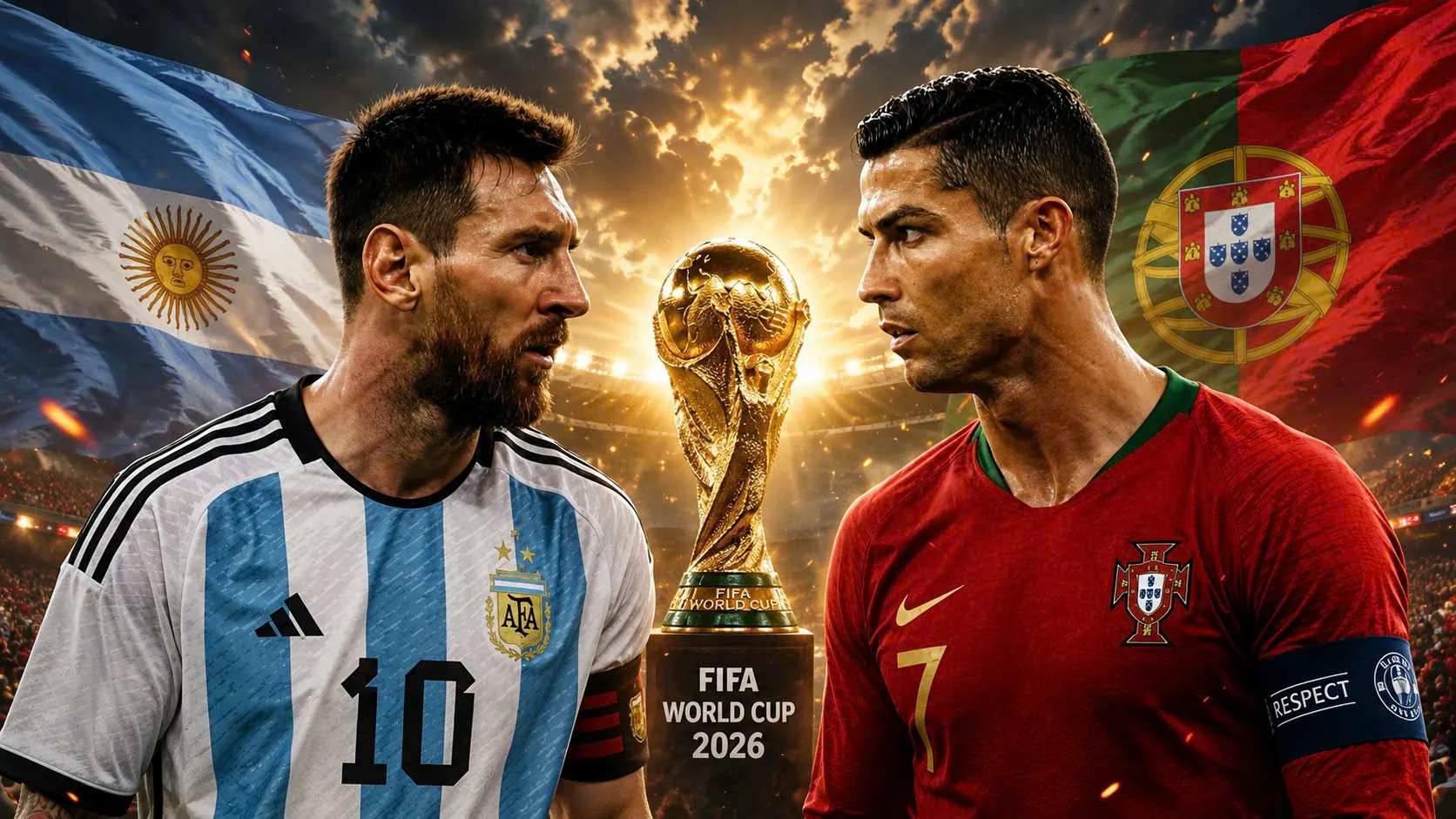
In reality, the 2026 World Cup still gathers the world’s top players along with the presence of two contemporary football icons, Lionel Messi and Cristiano Ronaldo. However, many fans still feel that this year’s tournament has not generated the same level of excitement as previous World Cups. The reason does not lie in the quality of the players or the professional appeal, but stems from the factor of time. After more than two decades of conquering the pinnacle, both Messi and Ronaldo have entered the final stages of their careers, making it difficult for viewers to feel the explosiveness or prolonged peak performances like in their prime. In addition, the waiting period between World Cups today seems to no longer create the same sense of anticipation as before, when fans can watch top-tier football year-round through the Champions League, Premier League, or other major tournaments. Therefore, the feeling of “cooling down” mainly comes from a change in the psychology of the audience’s football enjoyment, rather than an actual decline in the World Cup’s appeal. In other words, the 2026 World Cup does not lack stars or notable stories, but the familiarity with top-level tournaments happening continuously throughout the year has made the feeling of waiting and longing for the biggest football festival on the planet not as intense as it was a decade or two ago. That creates a less vibrant feeling, even though in reality the tournament still attracts the attention of billions of people worldwide.
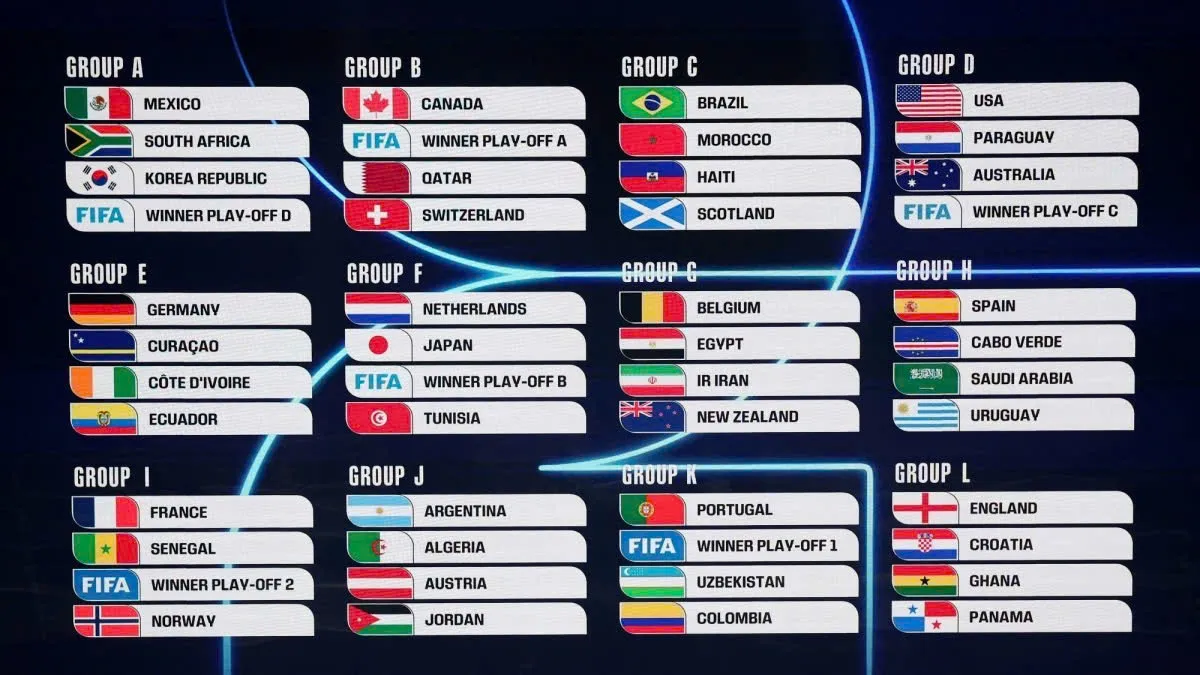
Besides, the expansion to 48 teams also causes much debate. Many experts believe that the increased number of teams causes a disparity in professional quality between matches, while reducing the feeling of “fierceness” that is a specialty of the World Cup. A portion of fans is also concerned that the tournament is becoming overly commercialized as the number of matches sharply increases from 64 to 104.
Apart from professional factors, the issue of ticket prices is also being discussed. Several group stage matches have seen many empty seats even though the World Cup has just begun. According to Reuters, many fans believe that current ticket prices are much higher compared to the 2022 World Cup, making it inaccessible to everyone.
Regarding sponsorship, there is a viewpoint that the commercial appeal of the World Cup is declining when some familiar sponsors no longer appear as before. Some brands that had been associated with FIFA for many years such as Sony, Castrol, Continental, or Johnson & Johnson no longer appear as global partners. Instead, FIFA has stepped up partnerships with technology, e-commerce, and financial services enterprises. Prominent among the new sponsor group are Bank of America, Verizon, Lenovo, and many brands from North America and Asia. This shows that the commercial appeal of the World Cup has not declined but is shifting according to the world’s new economic and technological trends. According to FIFA, the commercial revenue of the 2026 World Cup is expected to set a new record, showing that businesses still consider this one of the most effective brand promotion stages globally, while sponsorship revenue is still expected to reach a record level of over $2.8 billion. Therefore, the change in sponsors mainly reflects the process of market transition rather than a sign that the World Cup is losing its attractiveness.
So has the 2026 World Cup truly “cooled down”? The answer is probably not yet. Despite facing controversies over the format, ticket prices, or the generational transition of players, this remains the most influential sporting event on the planet. The 2022 World Cup attracted about 5 billion viewers across various platforms, while the final between Argentina and France reached nearly 1.5 billion global views. FIFA and media agencies currently predict that the 2026 World Cup could continue to break multiple audience records thanks to being hosted in North America and the expansion of the tournament’s scale.
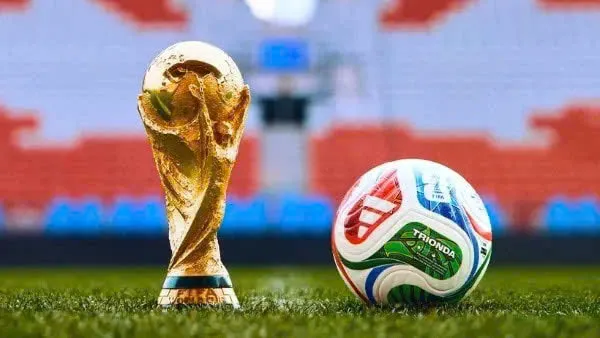
It can be said that the World Cup flame has not yet been extinguished. What is changing is how fans approach football in the digital age, where social media, online platforms, and other forms of entertainment strongly compete with traditional television. The excitement might not be the same as in previous World Cups, but the influence of the tournament remains something that no other sporting event in the world can replace.